- Built
- 532 AD, under Emperor Justinian I
- Columns
- 336, in twelve rows of twenty-eight
- Purpose
- A water reservoir for the Great Palace of Constantinople
- Famous for
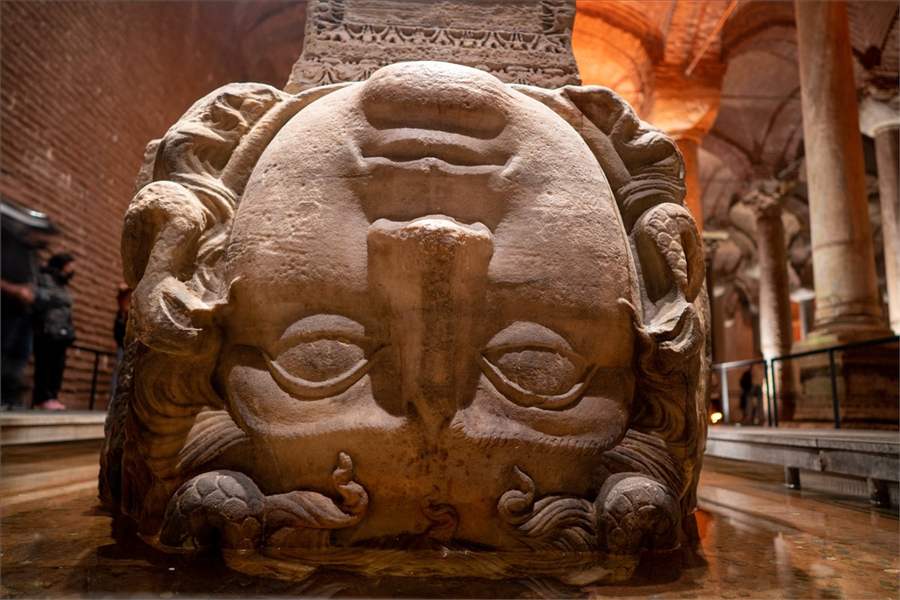
- Two Medusa head column bases — one sideways, one upside down
- Time needed
- 30–45 minutes
- Bring
- A light jacket — it is cool below ground even in August
Private tours from €150 per group, per day
Licensed local guide, private car and driver, and skip-the-line priority entrance. The day runs at your pace, and the plan stays yours to change.
Get my free quoteTÜRSAB-licensed agency No. 15746 · nothing to pay to ask · a real person replies within 24 hours
What the Basilica Cistern actually is
It is not a temple, a tomb or a palace. It is a water tank — and that is precisely what makes it extraordinary. Built under Justinian in 532, the same feverish building programme that produced Hagia Sophia, it stored water piped in by aqueduct from forests nearly twenty kilometers away and fed the Great Palace and the imperial quarter above.
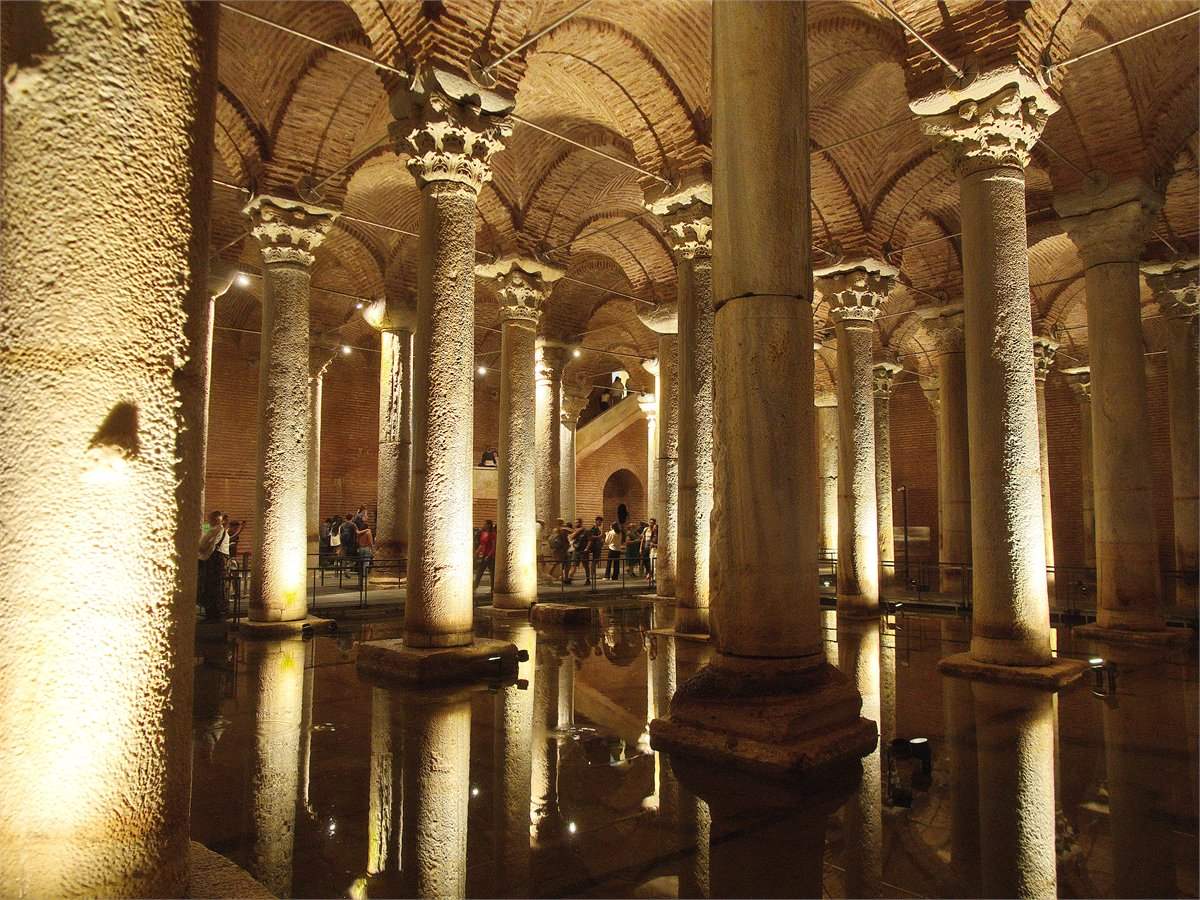
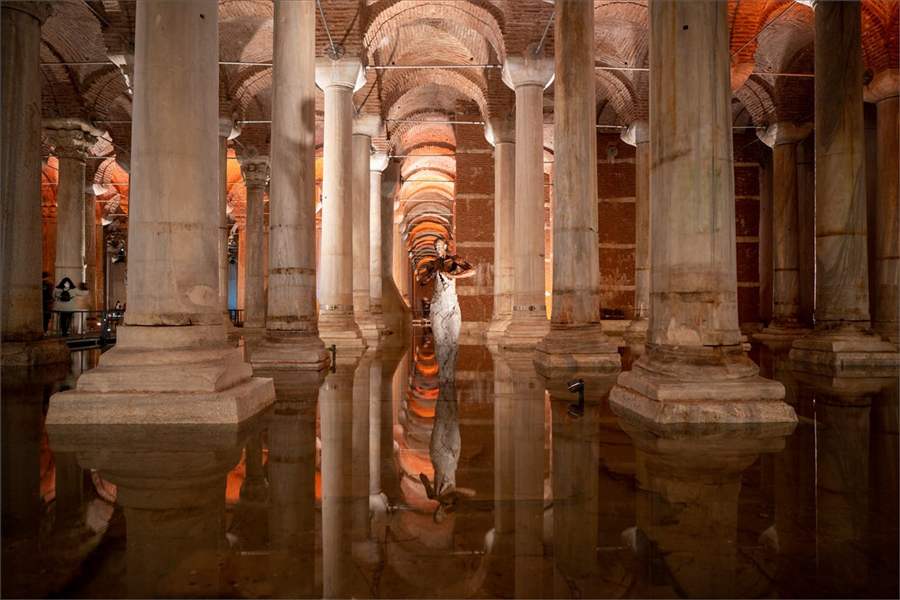
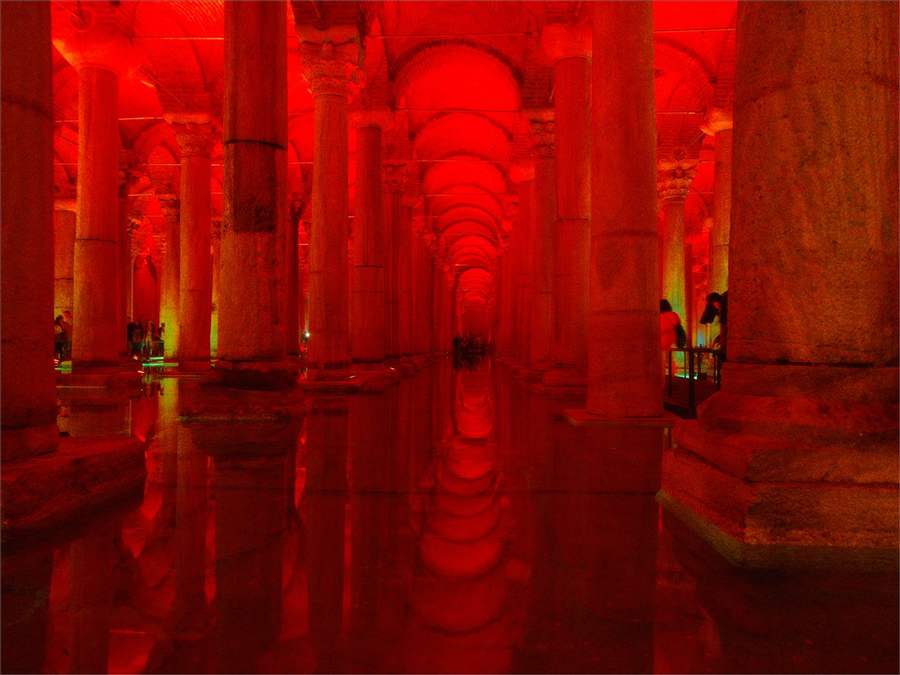
Three hundred and thirty-six columns stand in twelve rows of twenty-eight, holding up a brick vaulted ceiling over an area of around nine and a half thousand square meters. At capacity it could hold something in the order of eighty thousand cubic meters of water. This is municipal infrastructure built with the care and seriousness that other civilisations reserve for cathedrals, and walking through it you feel the confidence of an empire that expected to last.
The Medusa heads
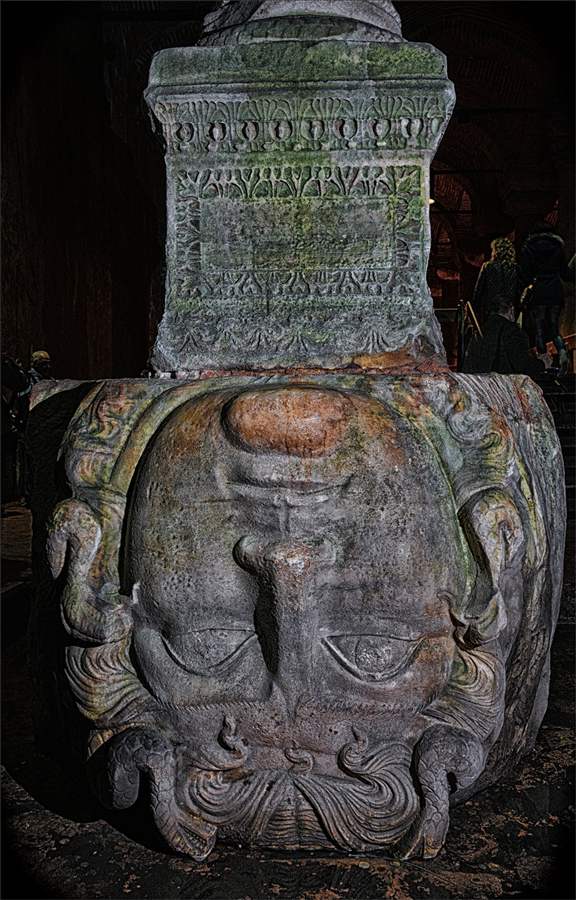
At the far end, in the north-west corner, two enormous carved Medusa heads serve as the bases of two columns. One lies on her side. The other is completely upside down. Nobody knows why, and both explanations you will hear are worth having.
The practical one: they were recycled Roman material, taken from some older building and used simply because they were the right size and shape to pack out a column base — and set however they happened to fit. The romantic one: inverting or turning the Gorgon's gaze robbed her of the power to turn onlookers to stone, so the heads were deliberately placed to neutralise them. We tell visitors both and let them pick. The truth is probably the boring one, which somehow makes the effect no less eerie.
The column that weeps
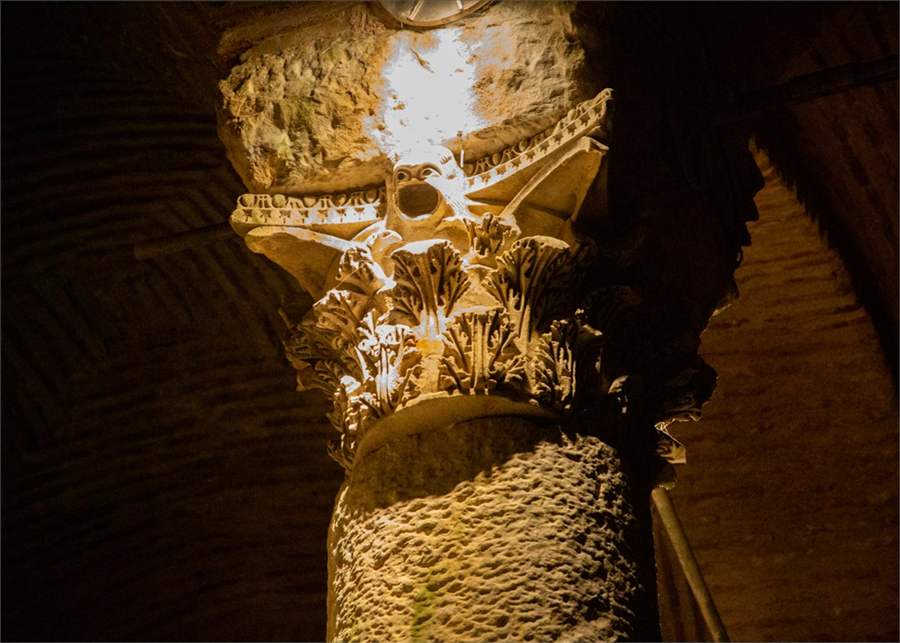
Look for a single column carved all over with what look like teardrops, or peacock eyes depending on the light. Tradition connects the pattern to the hundreds of enslaved workers said to have died during construction, and treats the column as a memorial to them. It is easy to walk straight past — most visitors do — which is a shame, because it is the one object down there that acknowledges the human cost of the whole magnificent thing.
How the city forgot it existed
For centuries after the Ottoman conquest the cistern effectively vanished from official memory. It kept working — it simply stopped being known. In the 1540s a Dutch scholar named Petrus Gyllius, in the city hunting for Byzantine antiquities, noticed something odd: residents of certain houses were drawing water up through holes in their basement floors, and occasionally hauling up fish. He went looking for the reason, had himself lowered through one of the openings by torchlight, and rediscovered the whole vast structure. Every visitor since owes him.
Visiting: tickets, hours and what to expect
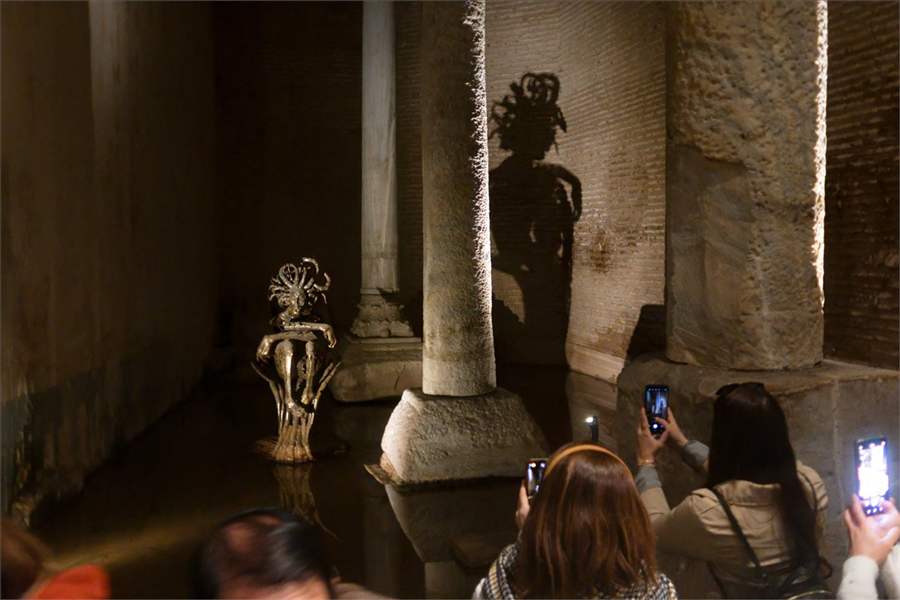
The Basilica Cistern reopened after a major restoration and now includes atmospheric lighting, a raised walkway and, usually, contemporary art installations placed among the columns. Opinions differ on the art; the lighting is undeniably dramatic. There is an entrance fee, and in recent years there have been separate daytime and evening ticket options, with the evening visit costing more. Prices and arrangements change, so we check the current position and buy in advance for our guests rather than publishing a figure that dates quickly.
Thirty to forty-five minutes covers it comfortably. The walkways can be damp and slightly slick, so sensible shoes help, and it is genuinely cool underground — a blessing in July and a reason for a light jacket in winter.
Where it fits in a day in Sultanahmet
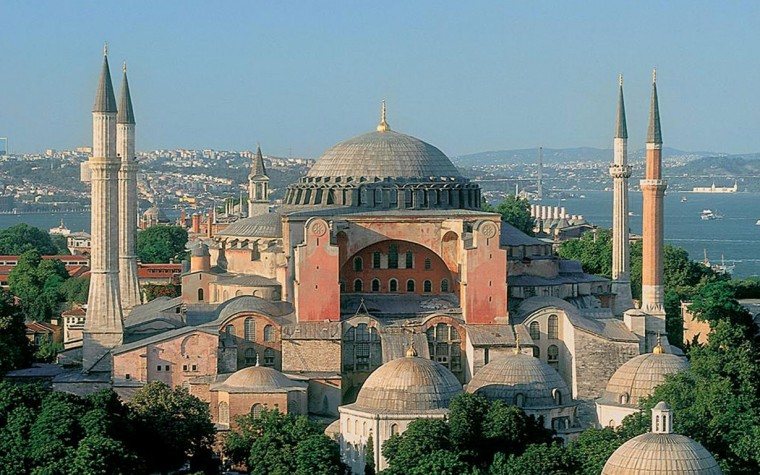
The entrance is a two-minute walk from Hagia Sophia and about the same from the Hippodrome, which makes the cistern one of the easiest things in Istanbul to slot into a morning. Our usual advice is to save it for the middle of a hot day, when descending into cool air is a genuine relief, or to use it as a change of texture between two big above-ground monuments.
It is also the most atmospheric place in the old city, so if you are traveling with children or with anyone who is starting to glaze over at yet another dome, the cistern tends to wake everybody up again. On a private tailor-made Istanbul tour we time it to avoid the worst of the queue, which can be long in high season precisely because the visit is short and the throughput is limited.
Basilica Cistern — frequently asked questions
Is the Basilica Cistern worth visiting?
Yes — it is one of the most atmospheric places in Istanbul and completely different in character from the mosques and palaces above ground. It is also short, around forty minutes, so it costs you very little time.
Where are the Medusa heads in the Basilica Cistern?
In the far north-west corner, at the end of the walkway. One head lies on its side and the other is upside down. Most likely they were simply recycled Roman blocks used as column bases, though the story that inverting the Gorgon's gaze disarmed her is the version everyone prefers.
How long does a visit to the Basilica Cistern take?
Thirty to forty-five minutes is normal. The queue outside can sometimes be longer than the visit itself in peak season, which is worth planning around.
Is the Basilica Cistern cold?
It is noticeably cooler than street level all year round — welcome in summer, and worth a light jacket in winter. The walkways are also damp, so wear shoes with some grip.
Can you visit the Basilica Cistern and Hagia Sophia together?
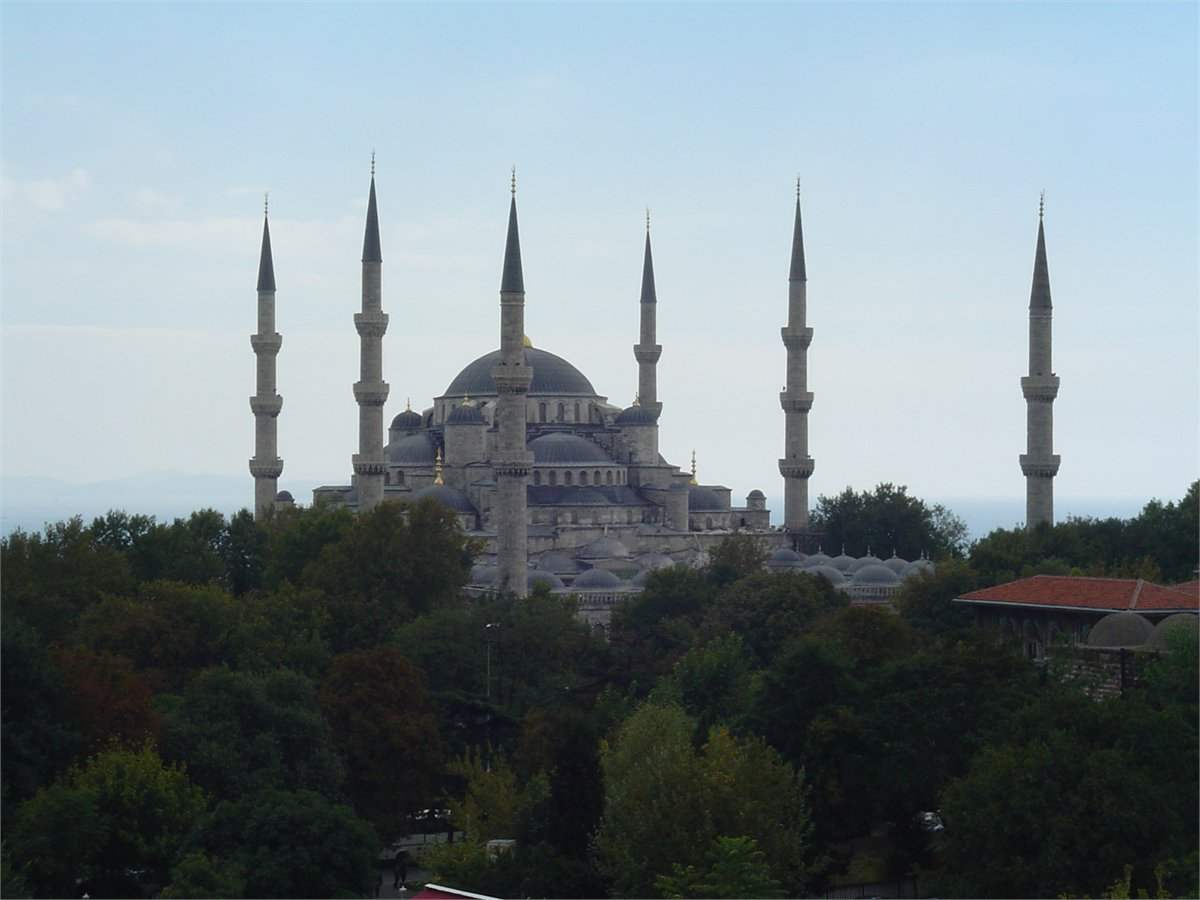
Easily. They are about two minutes apart on foot, along with the Blue Mosque and the Hippodrome. All four sit within a small area of Sultanahmet and form the classic first day in Istanbul.
Basilica Cistern in pictures
See it with a private local guide
Every tour we run is private and tailor-made — you choose the places, your licensed local guide plans the day with you, and a private car is always included.
Plan my private Istanbul tourTÜRSAB-licensed agency No. 15746 · skip-the-line entrance · no prepayment to enquire · a real person replies within 24 hours