- Built
- 1843–1856 for Sultan Abdülmecid I
- Where
- Beşiktaş, on the Bosphorus — 20 min from Sultanahmet
- Closed
- Mondays
- Rooms
- 285, plus 46 halls and 6 hamams
- Time needed
- 1.5–2 hours for both sections
- Don't miss
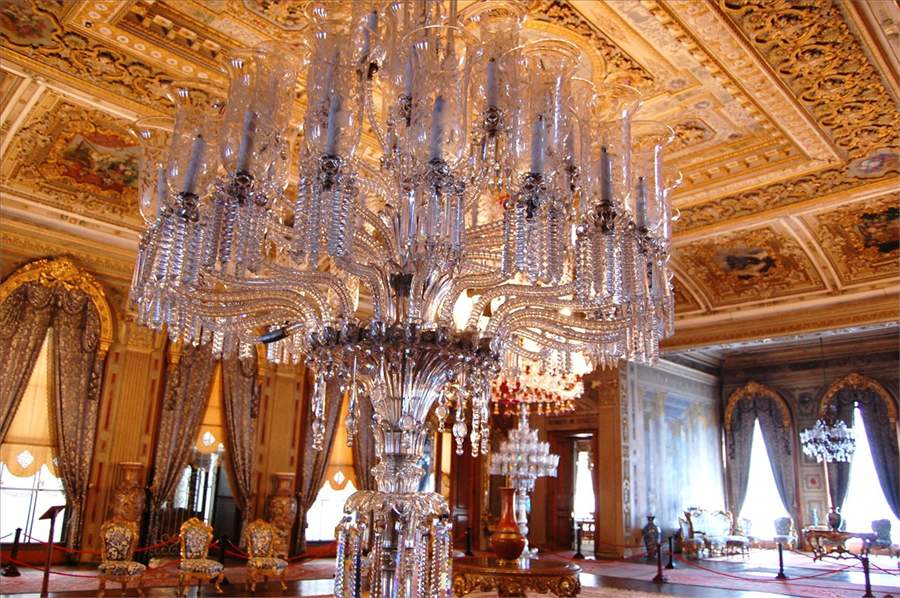
- The 4.5-tonne chandelier and the crystal staircase
Private tours from €150 per group, per day
Licensed local guide, private car and driver, and skip-the-line priority entrance. The day runs at your pace, and the plan stays yours to change.
Get my free quoteTÜRSAB-licensed agency No. 15746 · nothing to pay to ask · a real person replies within 24 hours
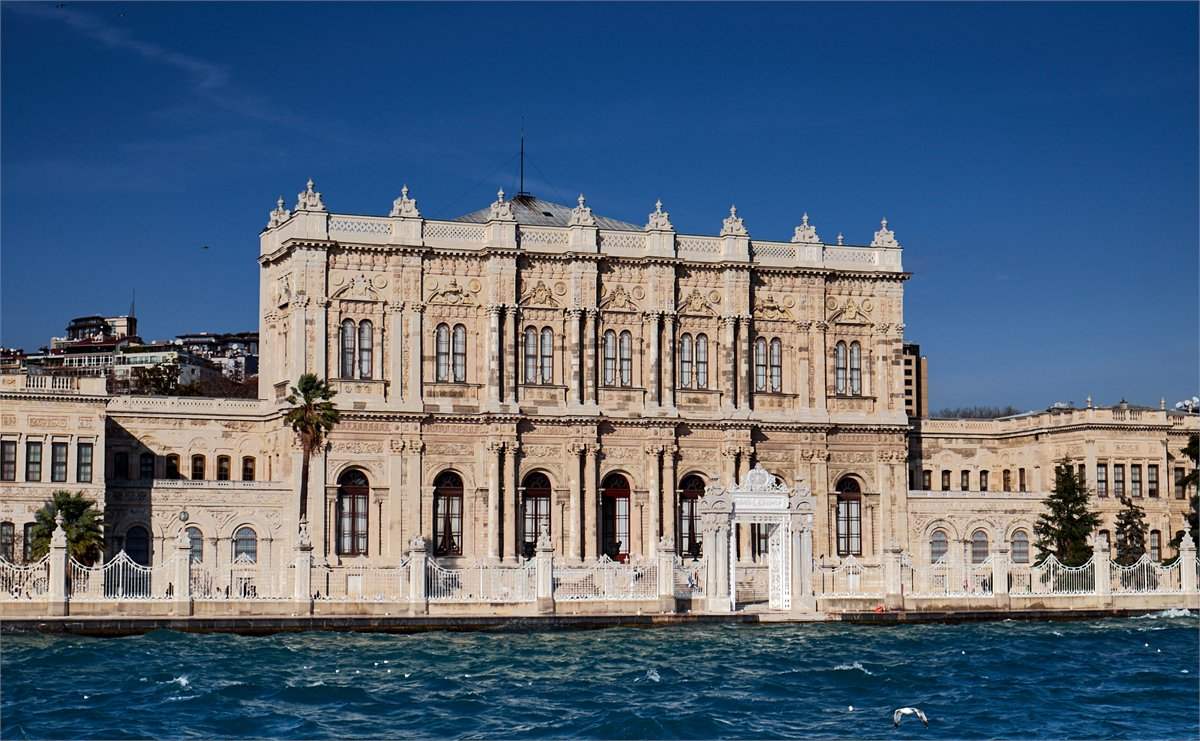
Dolmabahçe is the palace the Ottomans built when they wanted to look European — and it is worth seeing precisely because it is so unlike Topkapı. Where Topkapı is courtyards and pavilions, Dolmabahçe is one vast building of 285 rooms, marble and crystal, put up as the empire was running out of money. Seeing both in one visit tells you more about the Ottoman century than either does alone.
What is Dolmabahçe Palace?
It is the main imperial residence built for Sultan Abdülmecid I between 1843 and 1856, replacing Topkapı as the seat of the sultans. The architects were Garabet and Nigoğayos Balyan, the Armenian family who shaped much of nineteenth-century Istanbul. Atatürk later used it as a presidential residence and died here in 1938; every clock in the palace is still stopped at 09:05.
Where is Dolmabahçe Palace located?
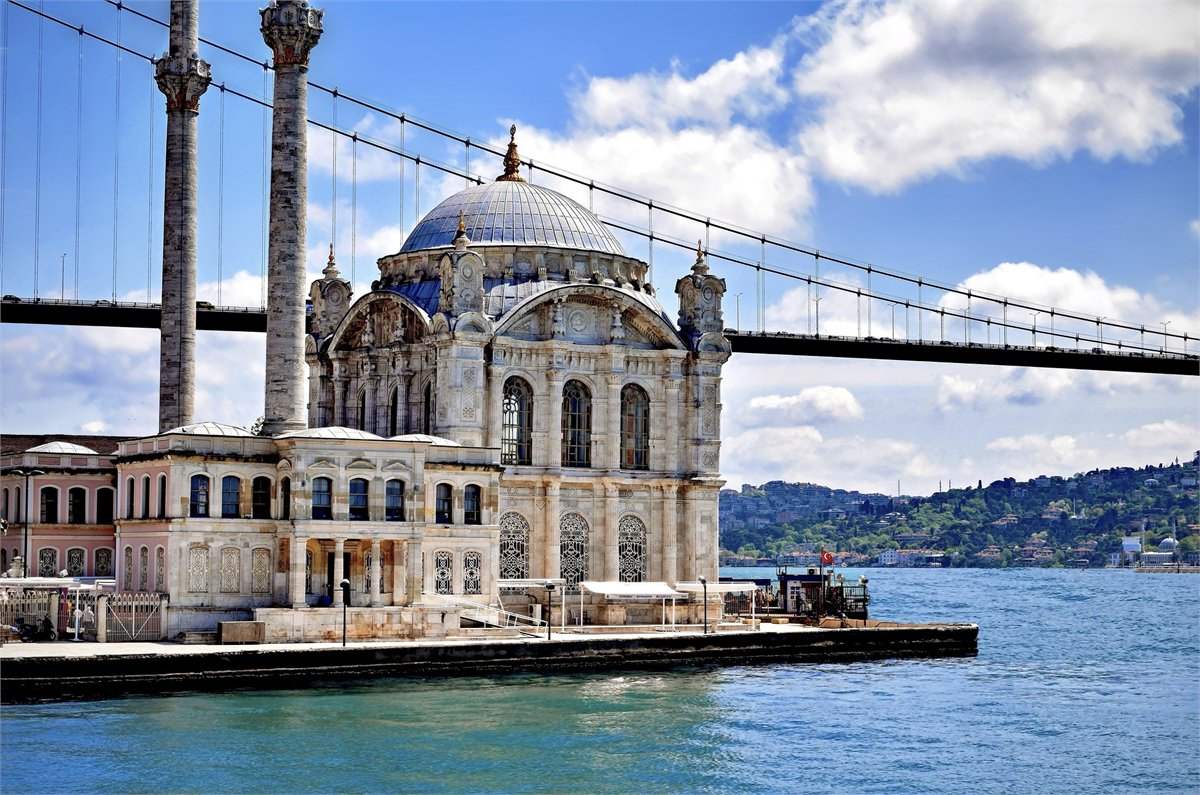
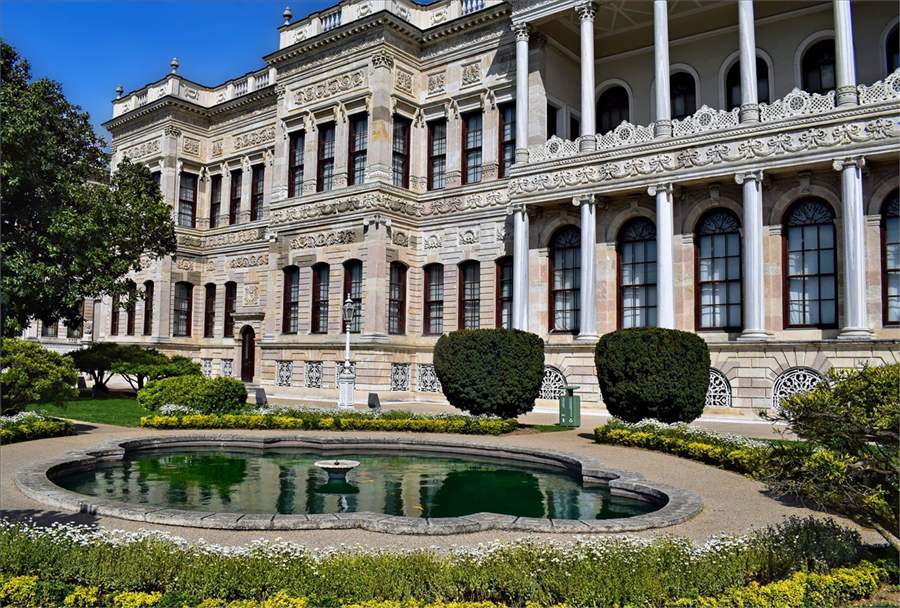
On the European shore of the Bosphorus at Beşiktaş, about twenty minutes north of Sultanahmet and immediately south of Ortaköy. The tram and funicular get you to Kabataş, from which it is a short walk along the water. It also sits directly on the Bosphorus cruise route — the façade seen from the water is the best view of it there is.
Is Dolmabahçe Palace worth visiting?
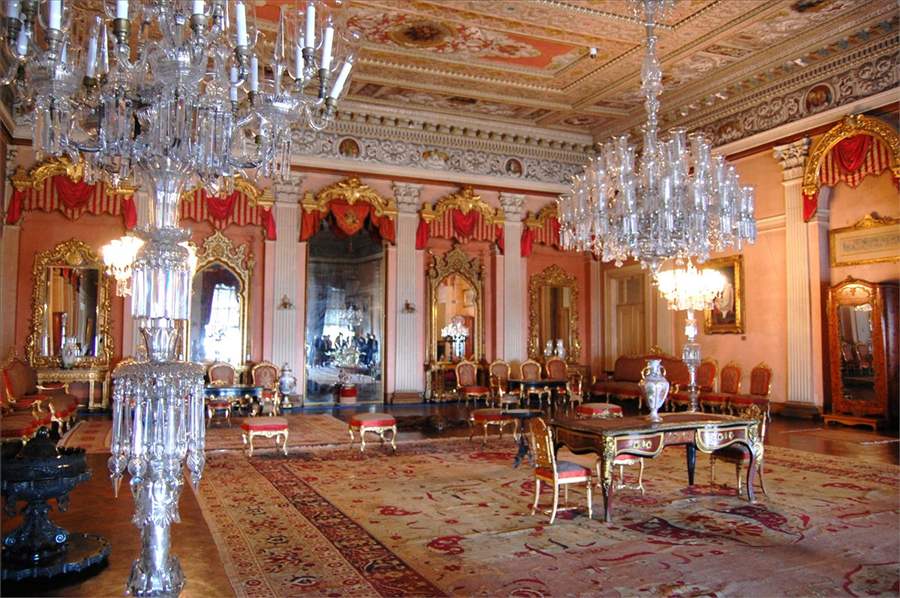
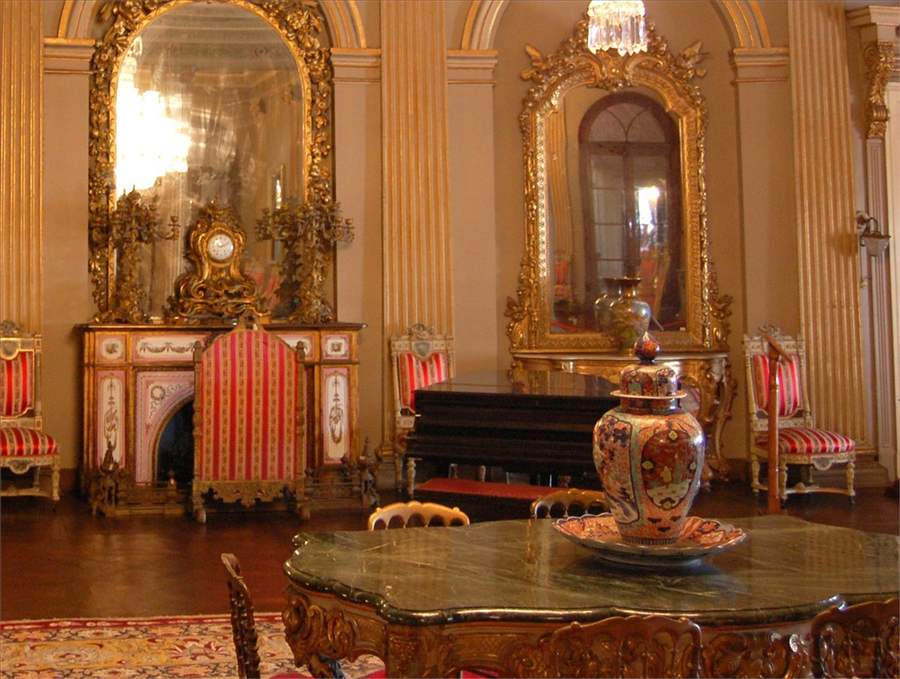
Yes, with one honest caveat. The interiors are genuinely spectacular — the Ceremonial Hall carries a four-and-a-half-tonne Bohemian chandelier, and the crystal staircase is exactly as absurd as it sounds. But you tour it in a fixed route with a group, you cannot linger, and photography is restricted inside. If you have one day and must choose, take Topkapı. If you have two, take both — the contrast is the point.
Opening hours, closed days and tickets
- Closed Mondays. This is the single fact worth planning around, and it catches people out constantly.
- Two separate sections — the Selamlık (state rooms) and the Harem — with separate tickets and a combined option.
- Go early. Groups build through the morning and the fixed route means you move at the speed of the queue.
- Prices change often enough that any figure printed here would be wrong within a season. Check the official site the week you travel, or ask us and we will tell you the current rate.
How long do you need?
Ninety minutes to two hours for both sections at a comfortable pace. Add another half hour if you want the clock museum and the gardens. It combines naturally with Ortaköy for lunch afterwards, which is a ten-minute drive up the shore.
What to look for inside
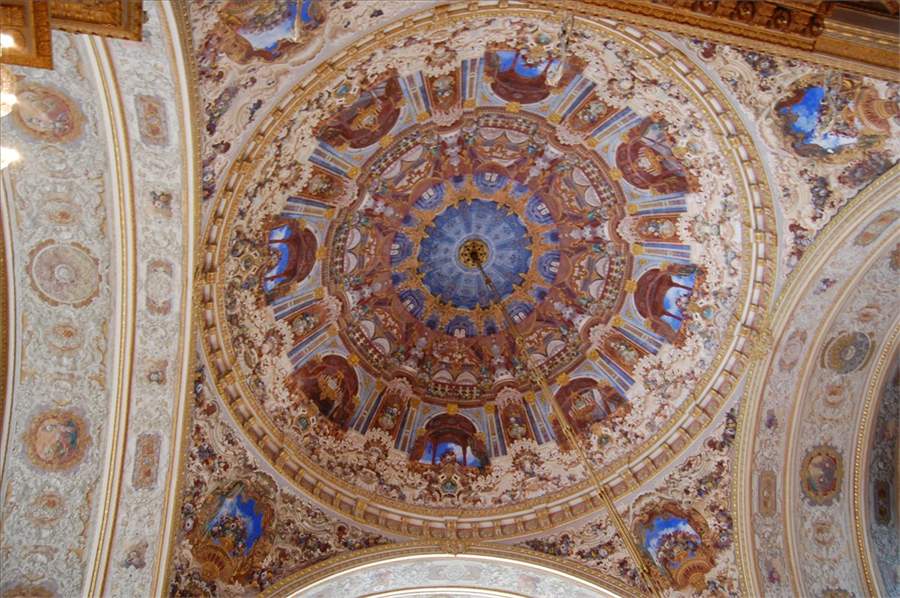
Most visitors photograph the chandelier and miss the rest. Worth catching: the Bohemian crystal balustrade on the staircase; the Sèvres and Yıldız porcelain; the hamam in the Harem, carved from Egyptian alabaster; and the room where Atatürk died, kept as it was. In the Ceremonial Hall, look up at the dome — it was designed so the sultan could hear the orchestra from the upper gallery without being seen.
Dolmabahçe versus Topkapı — which should you choose?
If you only have room for one palace, this is the decision. Topkapı is the older world: pavilions and courtyards spread over a headland, the Harem, the Treasury, and a view down over the water where the Golden Horn meets the Bosphorus. It tells you how the Ottomans ruled at their height. Dolmabahçe is the answer to a different question — what an empire builds when it is anxious about how it looks to Europe. One vast building, imported chandeliers, parquet floors, and a bill so large it contributed to the state's bankruptcy in 1875.
For a first visit with limited time, Topkapı is the richer few hours. For anyone interested in the nineteenth century, the end of the empire, or Atatürk, Dolmabahçe is the more affecting building.
The gardens and the clock tower
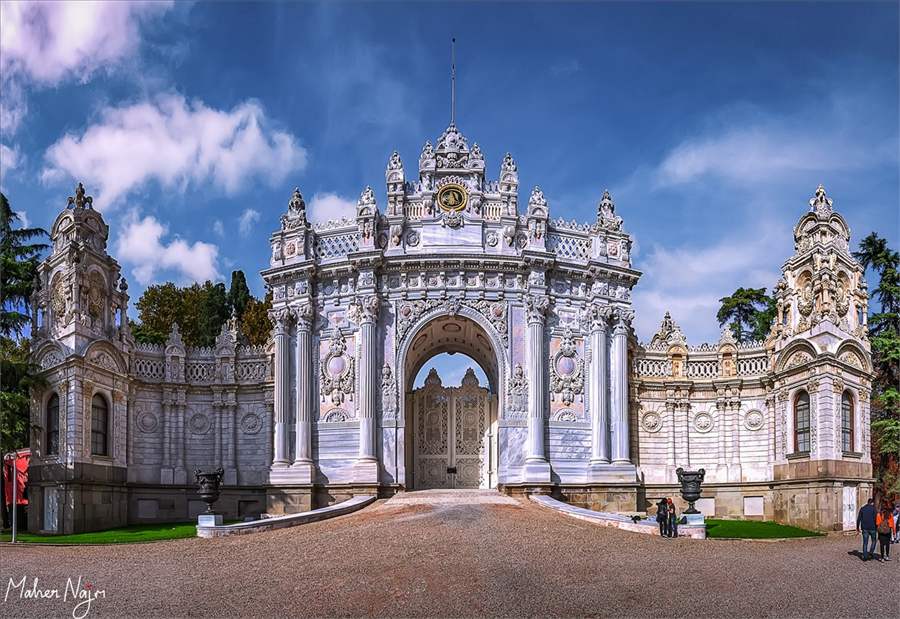
The waterfront gate and the formal gardens are worth arriving early for, and they are far less trafficked than the interior. The clock tower outside the main gate dates from the 1890s, and the swan fountains and geometric beds are a survival of a European garden style that has largely vanished elsewhere in the city. If the interior queue is long, do the gardens first rather than standing in line.
Getting there and combining it
The natural pairing is with the water: see the palace from a Bosphorus cruise in the morning, land, tour the interior, then walk or drive ten minutes up to Ortaköy for lunch under the bridge. That sequence is exactly how day two of our two-day itinerary runs, and it avoids the mistake of doing two palaces back to back, which nobody enjoys.
Dolmabahçe with a guide
Because the interior route is fixed and fast, a guide matters more here than at most sights — the difference between walking past a room and knowing why it looks like that. We include Dolmabahçe on the second day of the two-day itinerary and pair it with Topkapı on our Ottoman palaces day. Guide and private car included, at an unhurried pace, from €150 per group per day. Tell us your dates and we will work around the Monday closure.
Dolmabahçe Palace — frequently asked questions
Is Dolmabahçe Palace worth seeing?
How much does Dolmabahçe Palace cost?
Where is Dolmabahçe Palace?
Is Dolmabahçe Palace open today?
How long does it take to visit Dolmabahçe?
Can you take photos inside Dolmabahçe Palace?
Dolmabahçe Palace in pictures
See it with a private local guide
Every tour we run is private and tailor-made — you choose the places, your licensed local guide plans the day with you, and a private car is always included.
Plan my private Istanbul tourTÜRSAB-licensed agency No. 15746 · skip-the-line entrance · no prepayment to enquire · a real person replies within 24 hours