- Length
- About 31 km, from the Sea of Marmara to the Black Sea
- Width
- From roughly 700 m at its narrowest to about 3.4 km
- Bridges
- Three — 15 July Martyrs (1973), Fatih Sultan Mehmet (1988), Yavuz Sultan Selim (2016)
- Best light
- Late afternoon heading north, sunset heading south
- Typical cruise
- 90 minutes short loop; 4–6 hours to go properly north and stop for lunch
- Bring
- A windproof layer — it is always breezier on the water than on shore
Private tours from €150 per group, per day
Licensed local guide, private car and driver, and skip-the-line priority entrance. The day runs at your pace, and the plan stays yours to change.
Get my free quoteTÜRSAB-licensed agency No. 15746 · nothing to pay to ask · a real person replies within 24 hours
What the Bosphorus is
The name comes from Greek and means roughly "the ford of the ox", from the myth of Io, turned into a heifer and driven across this water. Jason and the Argonauts were supposed to have threaded the clashing rocks at its northern mouth. It has always been a place of passage and it still is — enormous tankers slide past fishing boats, and commuter ferries cross between continents all day long for the price of a bus ticket.
Strategically it is one of the most important stretches of water on earth, the only sea route between the Black Sea and the Mediterranean. That is why Constantinople was founded here, why Mehmed II had to control it before he could take the city, and why every empire that held Istanbul spent so much money fortifying its banks.
What you actually see from the boat
Heading north from Eminönü or Kabataş, the parade begins almost immediately.
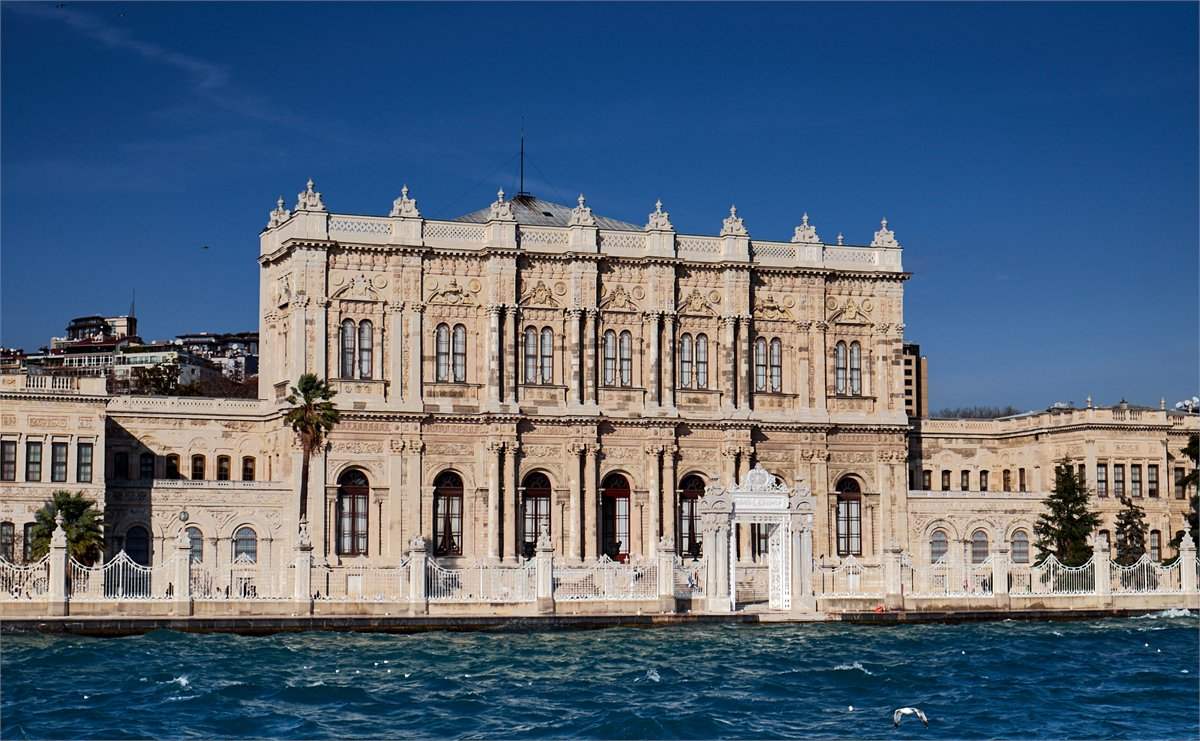
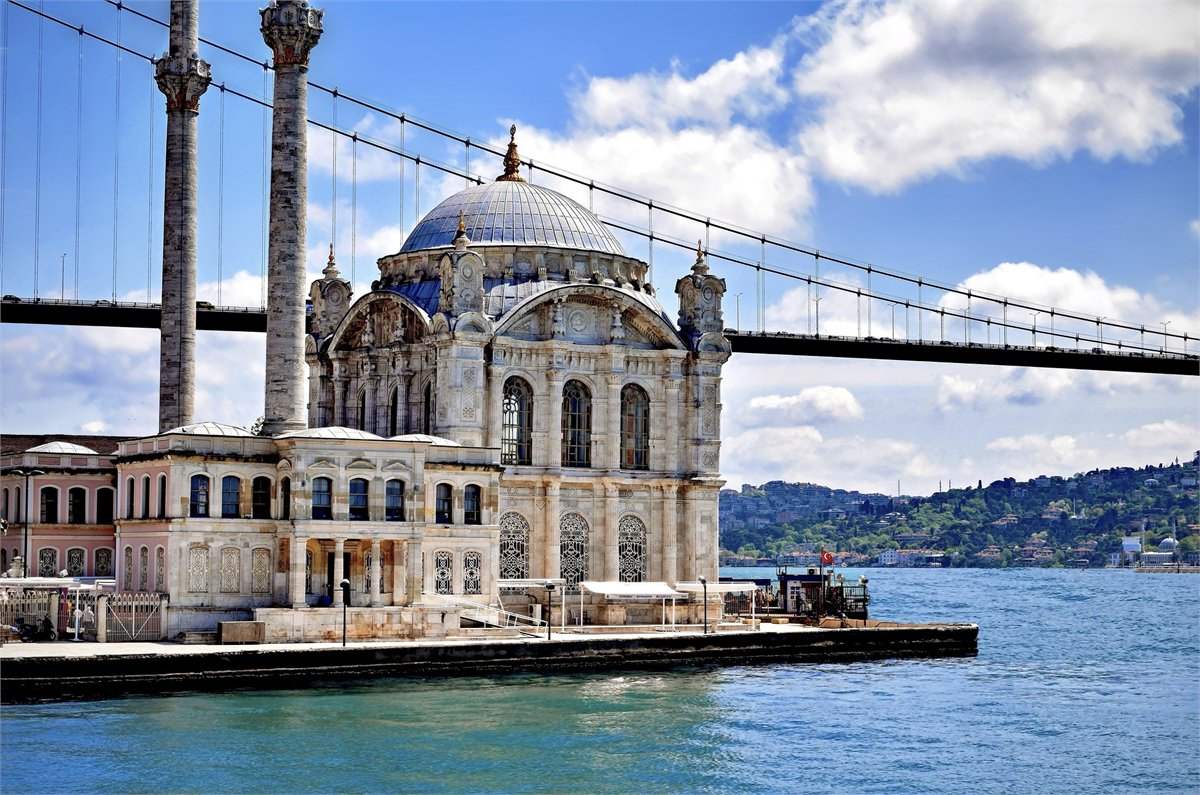
Dolmabahçe Palace stretches along the European shore, a six-hundred-meter baroque façade in white marble — the palace the sultans moved to when Topkapı began to feel old-fashioned. Beyond it, Çırağan Palace, now a hotel, and then Ortaköy Mosque tucked beneath the first bridge — the single most photographed composition on the strait.
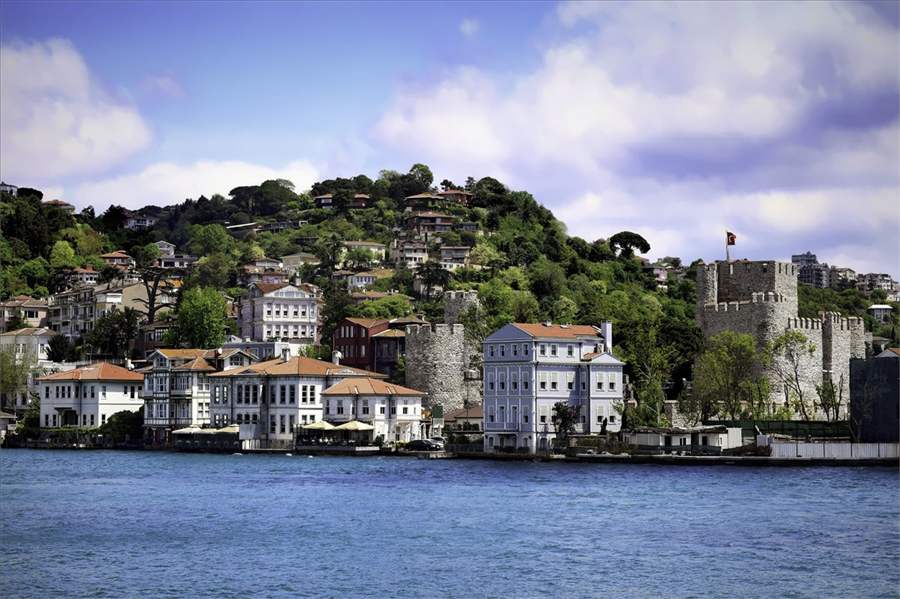
Further up, Rumeli Hisarı commands the narrowest point: the vast fortress Mehmed II threw up in a matter of months in 1452 to strangle Constantinople's supply line, facing the older Anadolu Hisarı across the water. Between them the current runs hard, and you can feel the boat work.
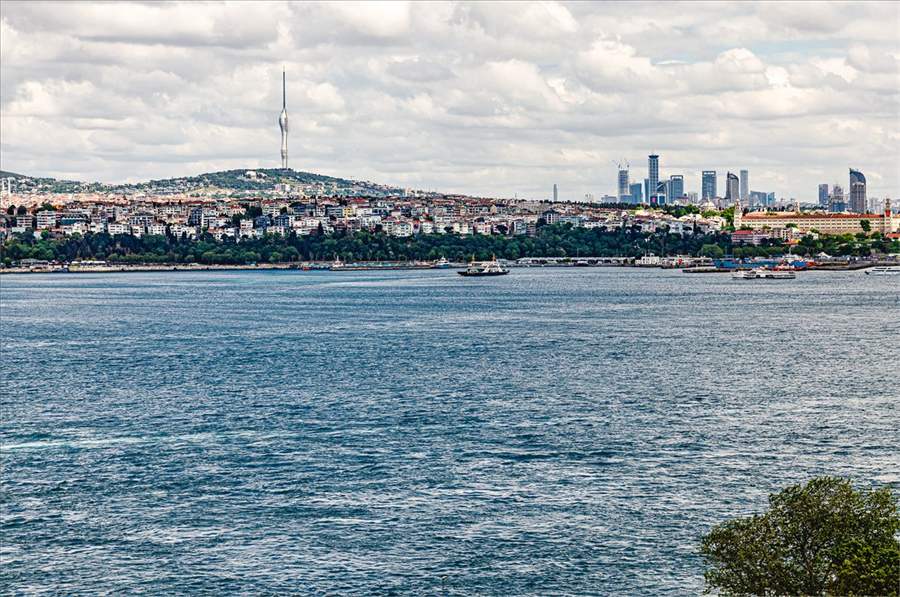
And everywhere along both shores, the yalıs — wooden waterside mansions painted ox-blood red, cream and gray, some of them three hundred years old, many of them among the most expensive private homes on the planet. Then Beylerbeyi Palace on the Asian side, the fishing villages of the upper strait, and eventually the Black Sea opening out ahead.
Public ferry or private boat?
Both are good, and they are genuinely different experiences.
The public ferry is cheap, characterful and full of locals. You buy an Istanbulkart, sit on a wooden bench, drink tea from a tulip glass, and let seagulls follow the boat. The long Bosphorus ferry runs the full length of the strait to Anadolu Kavağı and gives you several hours ashore before returning. The trade-off is fixed timings and no commentary — you will see beautiful things without knowing what they are.
A private boat costs more and gives you the strait on your own terms: you set the departure time, you go as far north as you like, the boat waits while you have lunch by the water, and a guide names every palace, fortress and mansion as it passes. For a family or a small group it is often less expensive per head than people assume.
We would gently steer you away from the very cheapest short "cruises" sold on the waterfront, which bounce between the first two bridges and turn back. The strait gets steadily more beautiful the further north you go, and the ninety-minute loop shows you the least interesting third of it.
Practical advice for a Bosphorus cruise
Which side to sit on: heading north, the European (left) shore has Dolmabahçe, Çırağan, Ortaköy and Rumeli Hisarı, so sit on the left for the palaces. Coming back south, that becomes the right. On a private boat you simply walk across the deck.
Time of day: late afternoon is the best light, and a sunset return with the old city silhouetted behind you is genuinely one of the great sights in travel. Mornings are calmer water and fewer boats.
What to wear: it is windier and cooler on the water than on shore in every season. A layer you can put on is the difference between comfort and cutting the trip short.
Seasickness: the Bosphorus is a strait, not open sea, and it is generally very calm. The stretch near the Black Sea mouth can be choppier when the wind is northerly.
Combining the Bosphorus with the rest of Istanbul
A cruise pairs naturally with the Spice Bazaar, because the ferry piers at Eminönü are a two-minute walk from the bazaar door. It also works beautifully as the second half of a day that started in Sultanahmet, when everybody's legs have had enough of cobbles and an afternoon sitting on a deck is exactly right.
On a private tailor-made Istanbul tour we can arrange a private boat with a guide aboard, go as far as Anadolu Kavağı for lunch where the fish comes off the boat that morning, or simply build a public-ferry leg into a walking day if you would rather keep it simple. If you would rather cross by public ferry and spend the afternoon properly on the other side, our Two Continents in One Day tour does exactly that — Old City in the morning, then Kadıköy and Üsküdar in the afternoon.
Bosphorus cruise — frequently asked questions
How long is a Bosphorus cruise?
Short tourist loops run about 90 minutes and stay between the first two bridges. A proper trip north with time ashore for lunch takes four to six hours. On a private boat you set the length yourself.
Is a private Bosphorus cruise worth it compared to the public ferry?
The public ferry is cheap and full of local character but has fixed timings and no commentary. A private boat lets you choose the departure, go further north, stop for lunch and have every palace and fortress explained as you pass. For families and small groups the per-head difference is often smaller than expected.
Which side of the boat should I sit on for a Bosphorus cruise?
Heading north, sit on the European side — the left — for Dolmabahçe, Çırağan, Ortaköy Mosque and Rumeli Hisarı. Coming back south it is the right-hand side.
What do you see on a Bosphorus cruise?
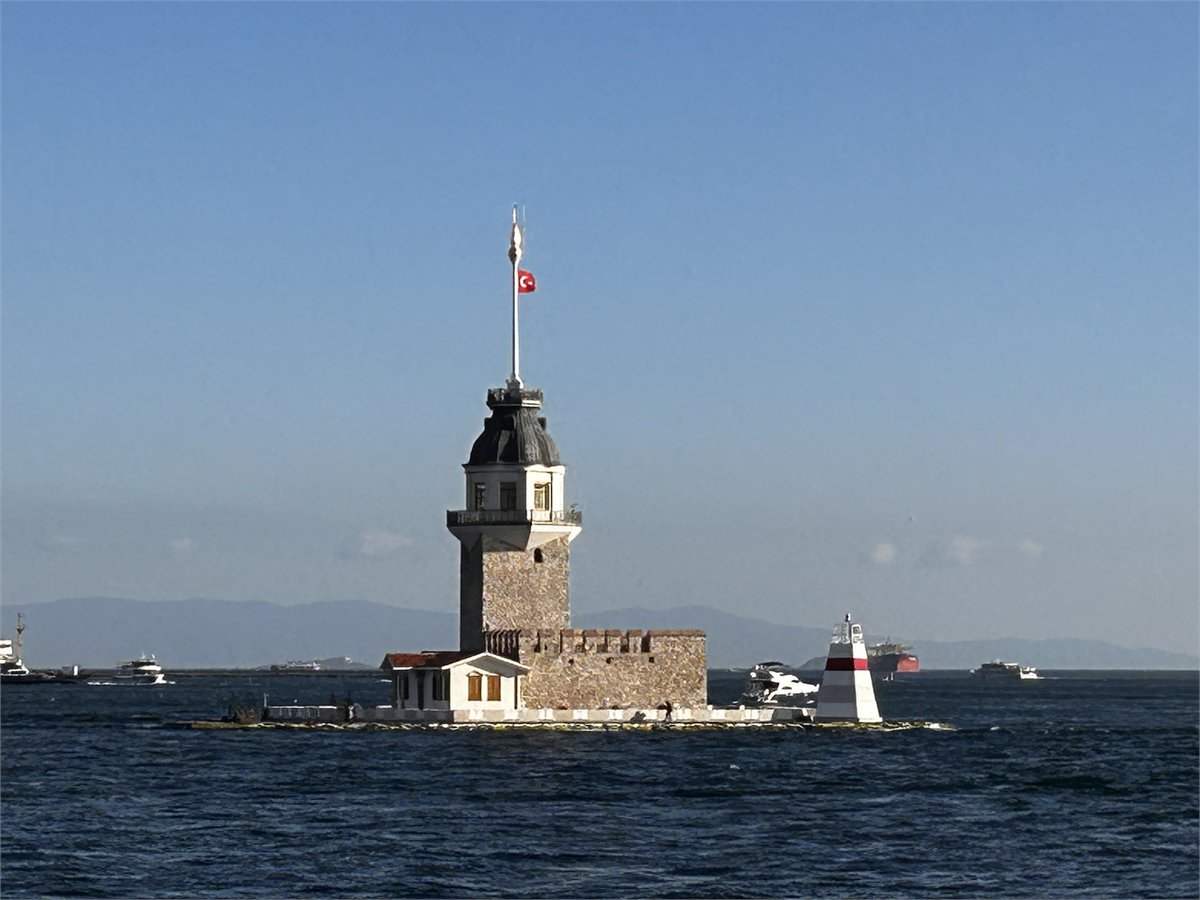
Dolmabahçe and Çırağan palaces, Ortaköy Mosque under the first bridge, the fortresses of Rumeli Hisarı and Anadolu Hisarı, Beylerbeyi Palace on the Asian shore, the Maiden's Tower at the southern entrance, and hundreds of historic wooden yalı mansions along both banks.
When is the best time of day for a Bosphorus cruise?
Late afternoon into sunset gives the best light and the famous silhouette of the old city on the return. Mornings are calmer and less crowded.
Bosphorus cruise in pictures

See it with a private local guide
Every tour we run is private and tailor-made — you choose the places, your licensed local guide plans the day with you, and a private car is always included.
Plan my private Istanbul tourTÜRSAB-licensed agency No. 15746 · skip-the-line entrance · no prepayment to enquire · a real person replies within 24 hours