- Entrance fee
- None — it is a public square, open always
- Built
- c. AD 203, enlarged by Constantine
- Held
- Around 100,000 spectators
- Oldest monument
- Obelisk of Theodosius — carved c. 1450 BC in Egypt
- Next to
- The Blue Mosque — under a minute's walk
- Time needed
- 20–30 minutes, more with a guide
Private tours from €150 per group, per day
Licensed local guide, private car and driver, and skip-the-line priority entrance. The day runs at your pace, and the plan stays yours to change.
Get my free quoteTÜRSAB-licensed agency No. 15746 · nothing to pay to ask · a real person replies within 24 hours
The Hippodrome is free, open at all hours, and most visitors walk straight across it without realizing what it is. There is no gate and no ticket because there is no building left — what survives is the outline of a Roman chariot stadium, three monuments standing on its spine, and about seventeen centuries of history under the paving.
Is there an entrance fee for the Hippodrome?
No. It is a public square — Sultanahmet Meydanı — and you can walk through it at any time of day or night. Nothing is ticketed, nothing closes. That also means nothing is explained: there are a few small plaques and no visitor center, which is exactly why people cross it in four minutes and remember nothing.
What is there to see today?
Three monuments stand along what was the spina, the barrier the chariots raced around:
- The Obelisk of Theodosius. Carved in Egypt for Pharaoh Thutmose III around 1450 BC, brought here in AD 390. It is the oldest thing in Istanbul by a wide margin, and the carvings on its base show the emperor watching the races.
- The Serpent Column. Cast from the shields of the Persians defeated at Plataea in 479 BC and originally at Delphi. The heads are gone; one is in the Istanbul Archaeological Museum.
- The Walled Obelisk. Tenth-century, once sheathed in bronze, stripped by crusaders in 1204.
At the northern end stands the German Fountain, a gift from Kaiser Wilhelm II in 1900 — much newer than it looks.
A short history of the Hippodrome
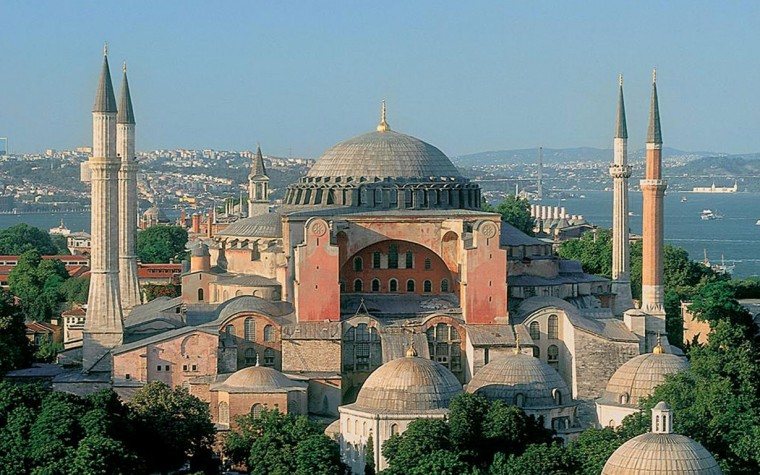
Begun by Septimius Severus around AD 203 and enlarged by Constantine, it held perhaps 100,000 people and was the civic heart of Constantinople for a thousand years — less a sports ground than the place where the city argued with its emperor. In AD 532 that argument became the Nika riots: the chariot factions united against Justinian, half the city burned, and the revolt ended with a massacre in this square. The Hagia Sophia you visit today was built immediately afterwards, on the ashes of the church the rioters destroyed.
How far is the Hippodrome from the Blue Mosque?
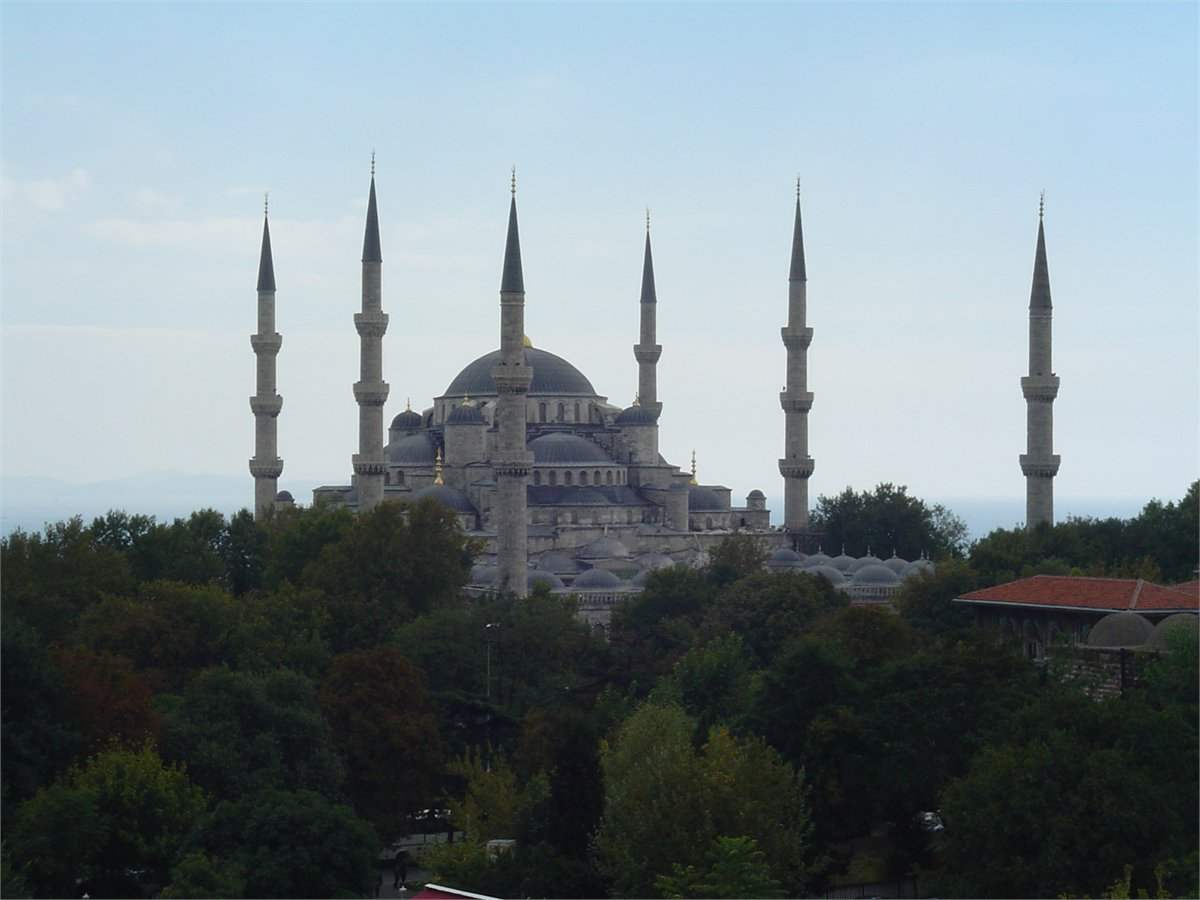
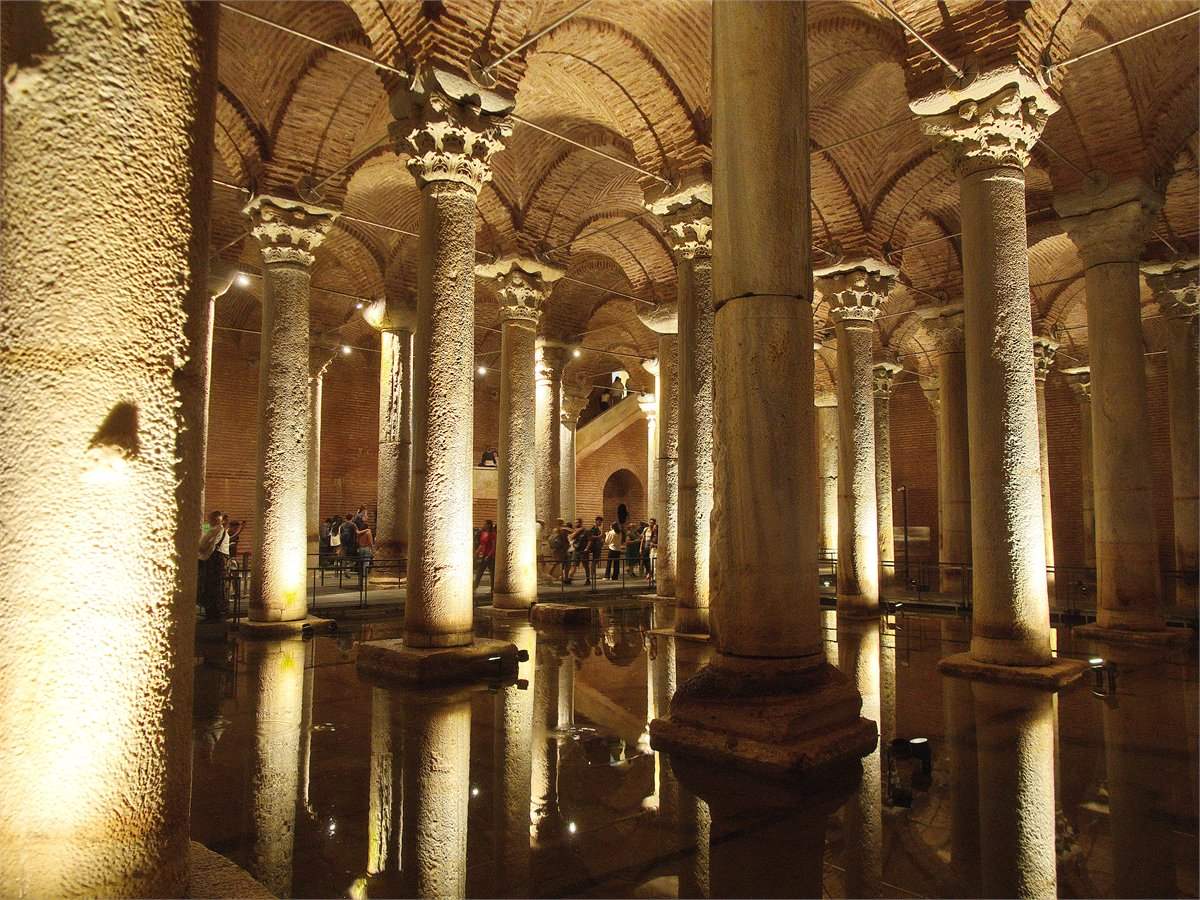
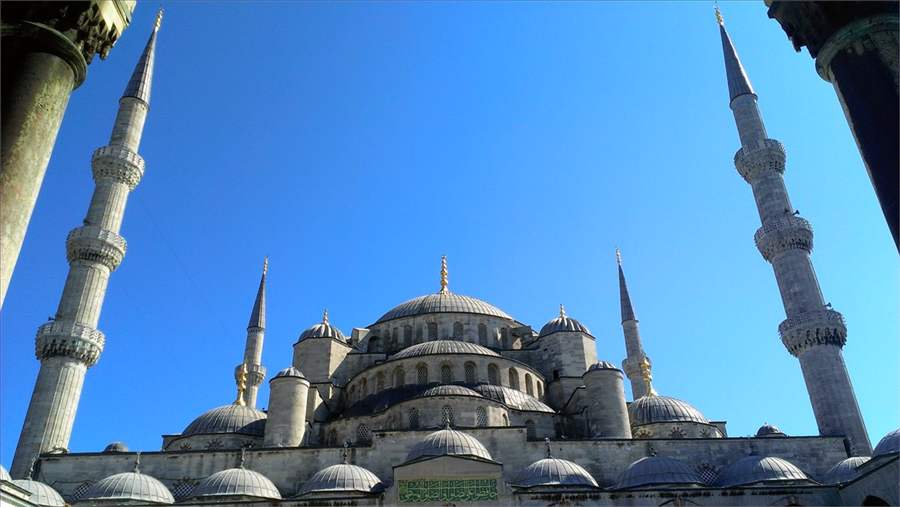
They touch. The Hippodrome's eastern edge runs along the courtyard wall of the Blue Mosque — it is a walk of under a minute, and the mosque was deliberately built facing the square. Hagia Sophia is three minutes north, and the Basilica Cistern entrance is about the same. This tight cluster is why the one-day itinerary works at all.
When to go
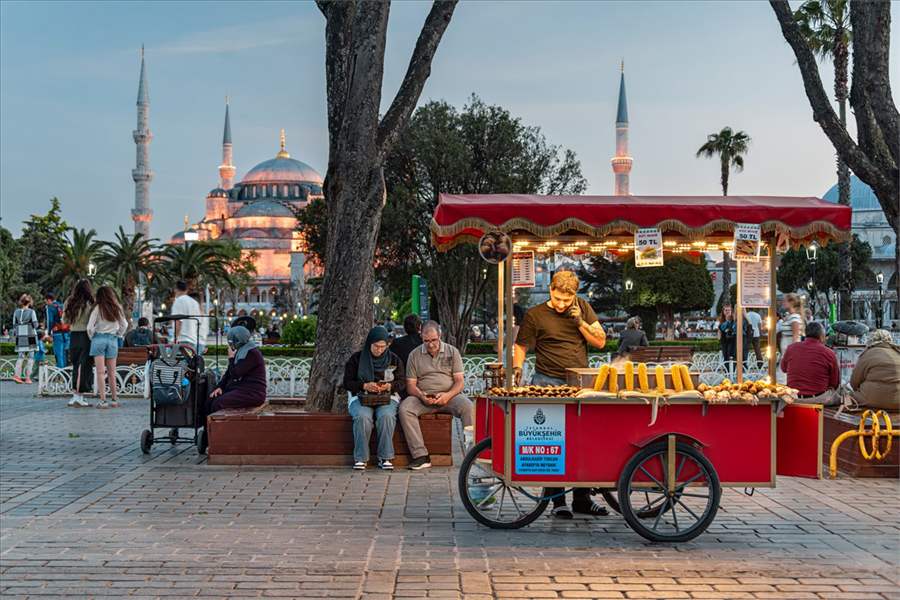
Early morning is best — the square is genuinely quiet before nine, the light is good on the obelisk, and you can read the base carvings without a group standing on them. It is also worth crossing at night, when the monuments are lit and the mosque is floodlit behind them.
What is buried underneath
Almost all of the stadium is still there, several meters below the square. The curved southern end — the sphendone — is the one part you can actually see: walk to the southern edge of the square and look down over the retaining wall, and you are looking at Roman substructure holding up the ground you were just standing on. Most visitors never walk the extra hundred meters to see it, which is a shame, because it is the only place the scale of the building becomes real.
The horses that are not here
The Hippodrome once held the Triumphal Quadriga, four bronze horses that stood above the starting gates. In 1204 the Fourth Crusade sacked Constantinople and shipped them to Venice, where they remain — you can see them in the Basilica of San Marco. It is worth knowing while standing here: much of what made this square extraordinary is now in other people's museums, and the Serpent Column's missing heads are part of the same story.
Where the Hippodrome sits in a day
Because it costs nothing and never closes, it is the ideal first or last stop in Sultanahmet. We generally use it as the link between Hagia Sophia and the Blue Mosque — ten minutes of walking that turns two separate monuments into one continuous story, since the Nika riots explain why the first was built and the square explains what the second was built to face. The Basilica Cistern is a two-minute walk from its northern end, and was built to water this same imperial quarter.
Why a guide changes this place
The Hippodrome is the clearest example on our tours of a sight that is invisible without explanation. Nothing here announces itself — you have to be told that the sunken ground marks the track, that the obelisk is a thousand years older than the city it stands in, that the paving under your feet was where the Nika riots ended. That is fifteen minutes of a guided day and it changes how you read the rest of Sultanahmet. It is included in our Best of Istanbul day, from €150 per group. Ask us for a quote.
The Hippodrome — frequently asked questions
Is there an entrance fee for the Hippodrome in Istanbul?
What is the Hippodrome of Constantinople today?
How far is the Hippodrome from the Blue Mosque?
Why is the Hippodrome important?
How long do you need at the Hippodrome?
The Hippodrome in pictures

See it with a private local guide
Every tour we run is private and tailor-made — you choose the places, your licensed local guide plans the day with you, and a private car is always included.
Plan my private Istanbul tourTÜRSAB-licensed agency No. 15746 · skip-the-line entrance · no prepayment to enquire · a real person replies within 24 hours