- Entry
- Free — it is a working mosque
- Built
- 1550–1557, by Mimar Sinan for Süleyman the Magnificent
- Where
- The third hill, 15 min uphill from the Grand Bazaar
- Closed to visitors
- During the five daily prayers, and midday Friday
- Don't miss
- The tombs of Süleyman and Roxelana, and the terrace view
- Time needed
- 45–60 minutes
Private tours from €150 per group, per day
Licensed local guide, private car and driver, and skip-the-line priority entrance. The day runs at your pace, and the plan stays yours to change.
Get my free quoteTÜRSAB-licensed agency No. 15746 · nothing to pay to ask · a real person replies within 24 hours
The Süleymaniye is free to enter, rarely crowded, and in our view the finest building in Istanbul — including Hagia Sophia. It is Mimar Sinan's masterpiece, it sits on the third hill with the best terrace view in the old city, and most visitors skip it entirely because the Blue Mosque is closer to their hotel. That is the single biggest missed opportunity in Sultanahmet.
Where is the Süleymaniye Mosque?
On the third hill of the historic peninsula, above the Golden Horn and about fifteen minutes' walk uphill from the Grand Bazaar. It is roughly a twenty-minute walk from Hagia Sophia, or a short taxi ride. The walk up through the university quarter is part of the pleasure, and the mosque appears suddenly above you at the top.
Süleymaniye or the Blue Mosque — which is better?
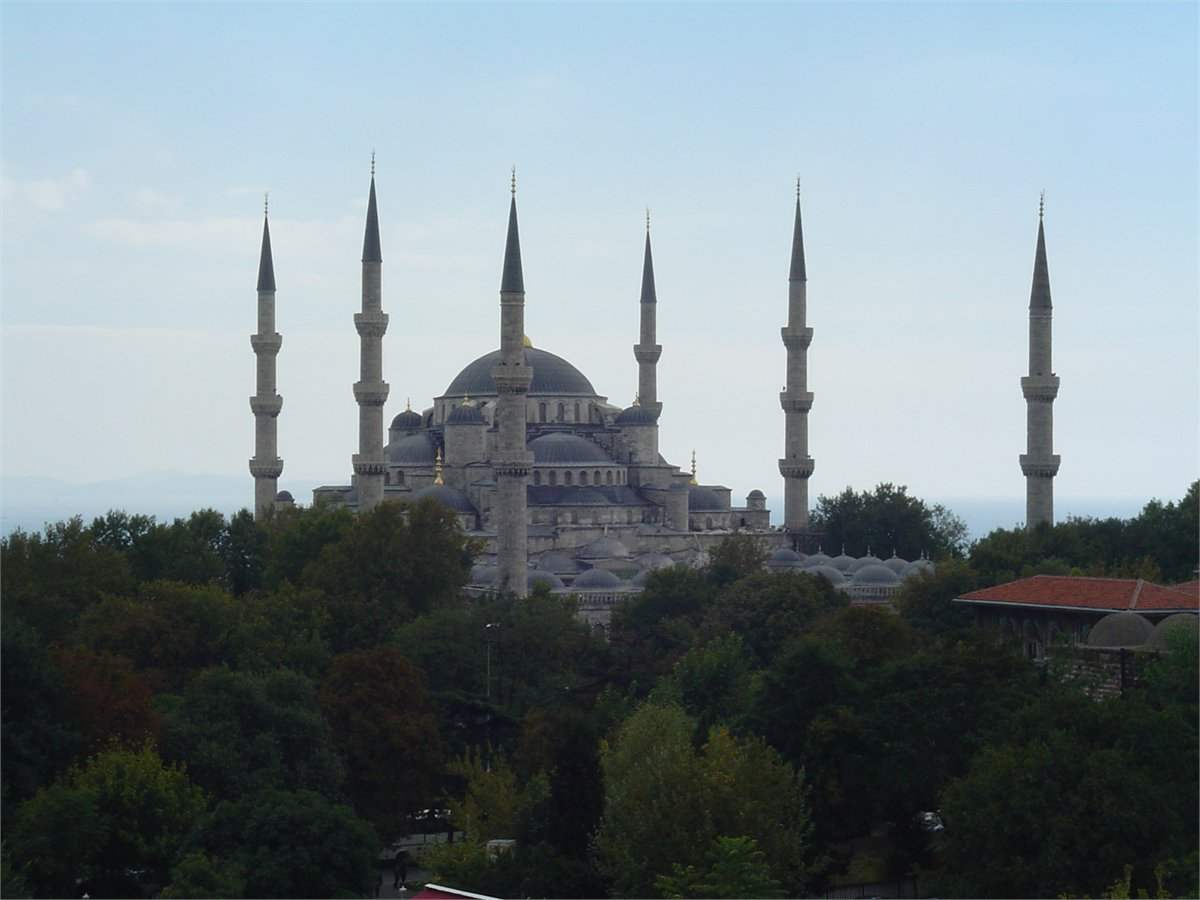
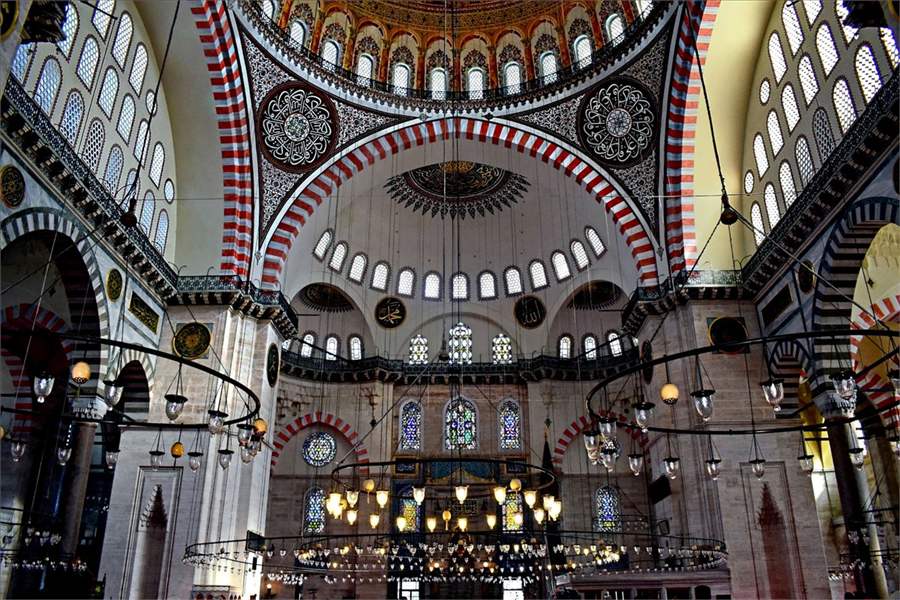
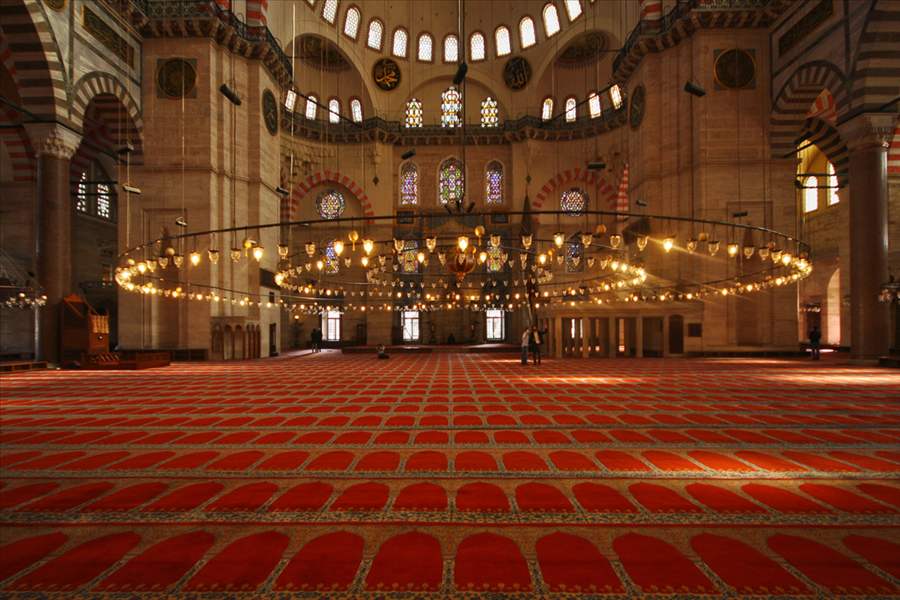
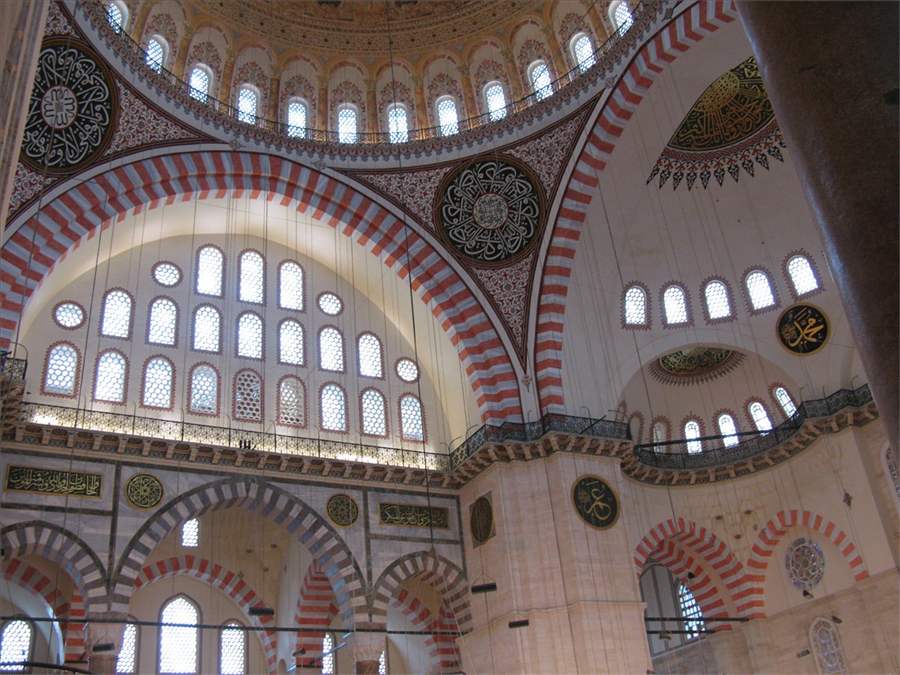
A fair question, and we will answer it plainly. The Blue Mosque has the İznik tiles, the six minarets and the famous silhouette facing the Hippodrome; it is also extremely busy, and you shuffle through it in a stream of people. The Süleymaniye is larger, older by sixty years, structurally more daring, and often nearly empty. Its interior is lit by around two hundred windows and feels enormous and calm in a way the Blue Mosque simply does not on a busy afternoon.
See both if you can. If you must choose one for the experience of being inside a great mosque rather than photographing one, choose the Süleymaniye.
Opening hours and visiting
- Entry is free. It is a working mosque, not a museum.
- Closed to visitors during the five daily prayers and for longer around midday on Fridays. Times shift through the year with sunrise and sunset — check the day you go.
- Dress: shoulders and knees covered; women cover their hair. Scarves are available at the door. Shoes come off and go in a bag you carry.
- Best time: mid-morning or late afternoon, outside prayer, when the light comes in low through the windows.
What Sinan built, and why it matters
Mimar Sinan was the chief imperial architect for around fifty years and built several hundred structures. He called the Süleymaniye, completed in 1557, the work of his journeyman years — his mastery, he said, came later at Edirne. Even so, this is the building where he solved the problem Hagia Sophia had posed a thousand years earlier: how to carry a vast dome on a square plan and make it feel weightless.
The dome rises about 53 meters and spans some 27. Sinan buried resonating jars in the walls to carry sound, and designed the ventilation so that soot from the oil lamps collected in a single chamber above the entrance, where it was gathered and made into ink. Those are the details a guide is for — none of it is signposted.
The tombs and the complex
Behind the mosque, in the garden, stand the tombs of Süleyman the Magnificent and Hürrem Sultan — Roxelana, the concubine he married, which was itself extraordinary. The tombs are open to visitors and are far quieter than the mosque. Sinan's own modest tomb sits just outside the north corner of the complex, which he designed himself.
The mosque was never a single building. It was a külliye: a complex with a hospital, a medical school, four colleges, a soup kitchen, a caravanserai and a hamam, all funded by endowment. Several survive around the courtyard, and the old soup kitchen is now a restaurant.
The terrace view
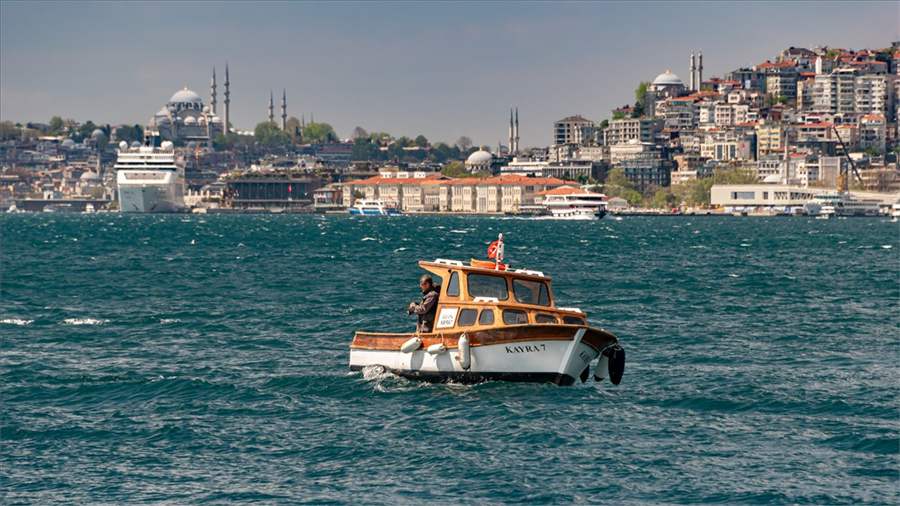
Walk to the northern side of the outer courtyard. Below you is the Golden Horn, the Galata Bridge, Galata Tower opposite, and on a clear day the Bosphorus opening beyond. It is free, it is almost never crowded, and it is the best panorama in the old city — better than any paid rooftop bar in the neighborhood.
How long you need, and what to combine it with
Forty-five minutes to an hour covers the mosque, the tombs and the view without hurrying. The natural pairing is the Grand Bazaar below it — do the bazaar first, then walk uphill and let the calm be the antidote. It also sits well with the Spice Bazaar and the Golden Horn waterfront, which are downhill on the other side.
Seeing it with a guide
The Süleymaniye rewards explanation more than almost any building in Istanbul, because nothing about it announces itself: not the acoustics, not the ink chamber, not why the tomb of a concubine stands beside a sultan's. We add it to the second day whenever there is time, and to any day where somebody says they found the Blue Mosque disappointing. Private, guide and car included, at an unhurried pace, from €150 per group per day — ask us for a quote.
Süleymaniye Mosque — frequently asked questions
Where is the Süleymaniye Mosque?
What are the Süleymaniye Mosque opening hours?
Is there a ticket price for the Süleymaniye Mosque?
Süleymaniye or the Blue Mosque — which should I visit?
What should I wear to the Süleymaniye Mosque?
Süleymaniye Mosque in pictures
See it with a private local guide
Every tour we run is private and tailor-made — you choose the places, your licensed local guide plans the day with you, and a private car is always included.
Plan my private Istanbul tourTÜRSAB-licensed agency No. 15746 · skip-the-line entrance · no prepayment to enquire · a real person replies within 24 hours