- Is Istanbul good for shopping?
- Yes — especially for things made in Turkey: rugs, ceramics, copper, gold, leather, towels, spices
- Where to shop
- Grand Bazaar · Spice Bazaar · İstiklal · Nişantaşı · Kadıköy · the malls and outlets
- Closed on Sunday
- The Grand Bazaar. The Spice Bazaar, İstiklal and the malls keep trading
- Bargaining
- Expected in the bazaars, not in the malls or on İstiklal
- Asian side
- Kadıköy market streets — Salı Pazarı runs Tuesday and Friday
- Tax free
- Ask the shop for the tax-free form when you buy
Private tours from €150 per group, per day
Licensed local guide, private car and driver, and skip-the-line priority entrance. The day runs at your pace, and the plan stays yours to change.
Get my free quoteTÜRSAB-licensed agency No. 15746 · nothing to pay to ask · a real person replies within 24 hours
Yes — shopping in Istanbul is genuinely good, and it is at its best when you buy what this city actually makes. Carpets, ceramics, copper, gold, leather, towels and spices are woven, fired, hammered and blended here, and the people selling them can tell you exactly how. What Istanbul is not is a cheap place to buy international brands.
Is Istanbul good for shopping?
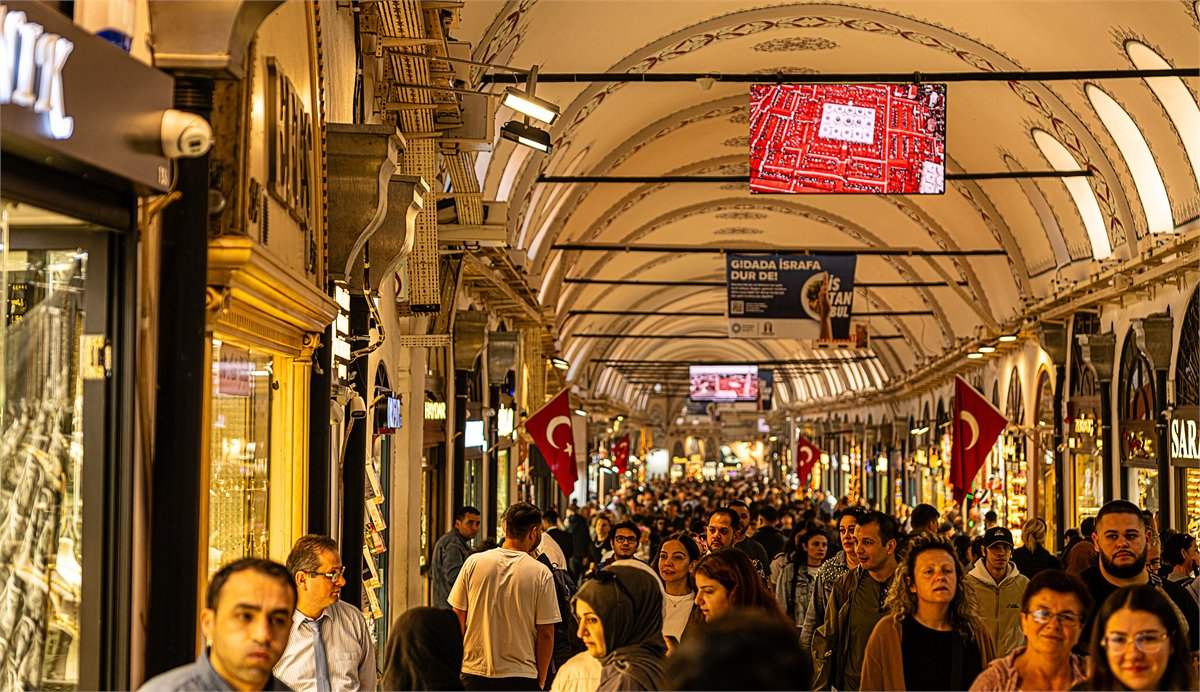
It is one of the few cities where the shopping is part of the sightseeing. The Grand Bazaar has traded under one roof for centuries, still runs to 4,000 shops on 60 streets, and is free to walk into. Around it sits everything else, from a spice market by the water to malls the size of small towns. That range earns it a place among the best things to do in Istanbul.
What is Istanbul famous for shopping?
The serious purchases
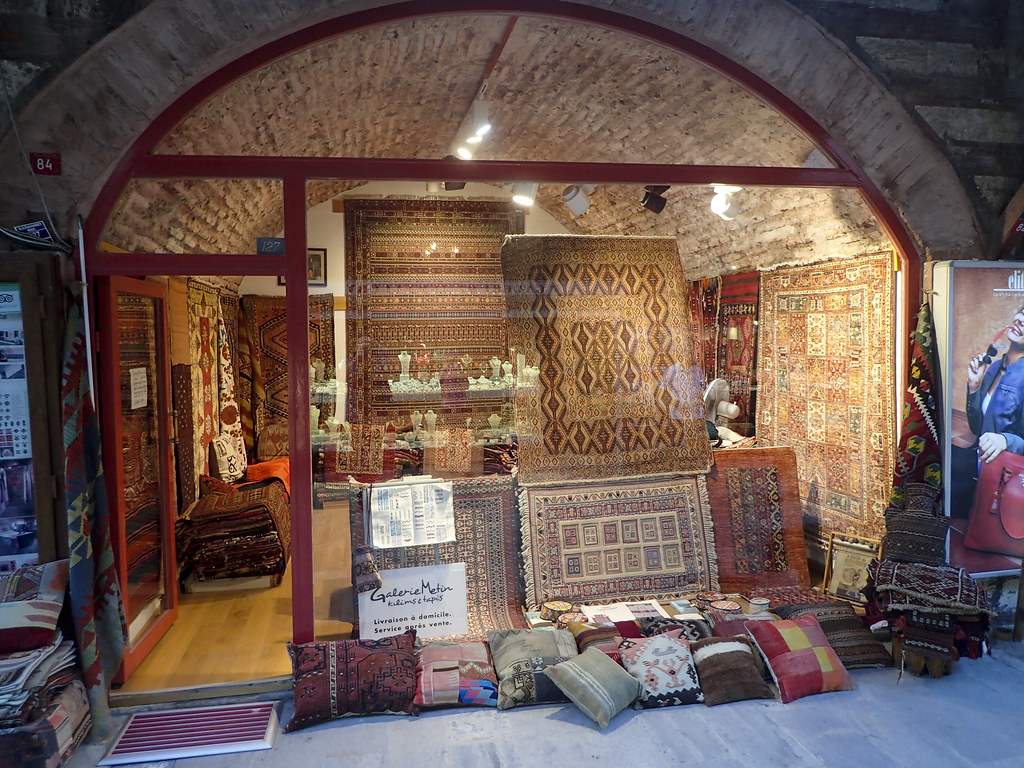
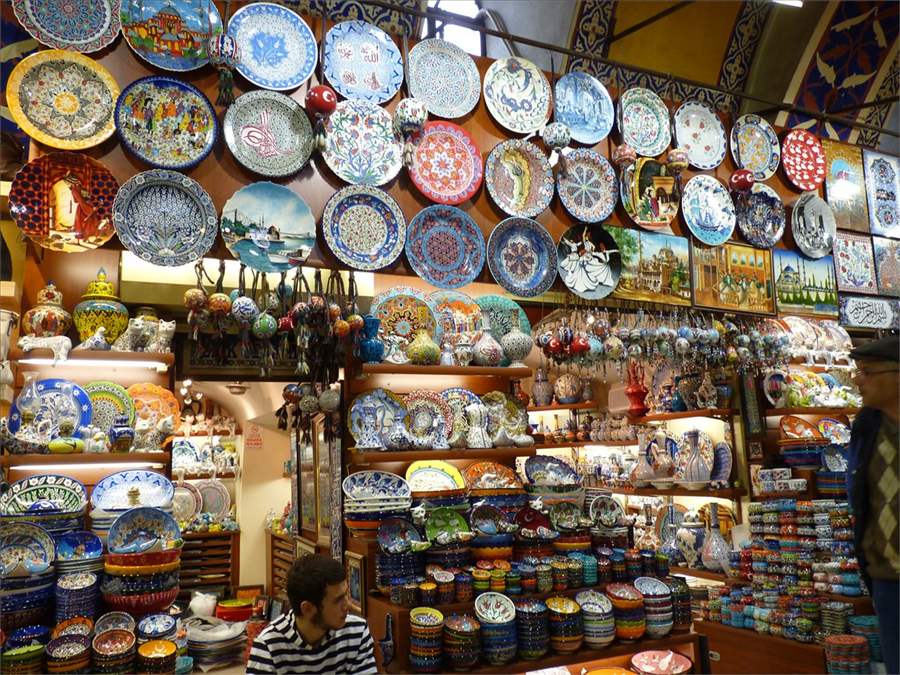
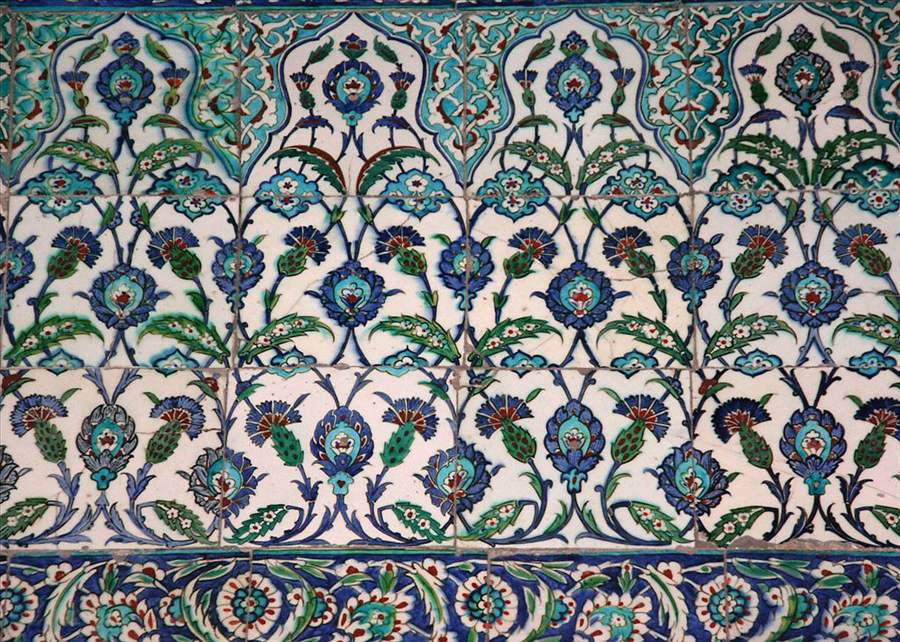
Carpets and kilims. A carpet is knotted with a pile; a kilim is flat-woven without one. Turn a piece over — on a hand-knotted rug the pattern reads clearly from the back — and ask what the pile and warp are made of. Wool on cotton, wool on wool, silk on silk: everyone will tell you. Gold and jewelry. Gold is priced by weight against the day's rate plus a workmanship charge, so ask for the breakdown. Leather. Jackets and bags are made here, and a workshop will alter one while you wait. Ceramics. İznik-style cobalt, turquoise and tomato red is the historic tradition; Kütahya ware is the hand-painted middle ground.
The small things that travel well
- Peştemal — flat Turkish towels, light and fast-drying, the cloth you meet in a hamam.
- Copper — hand-hammered pans, trays and a cezve for coffee.
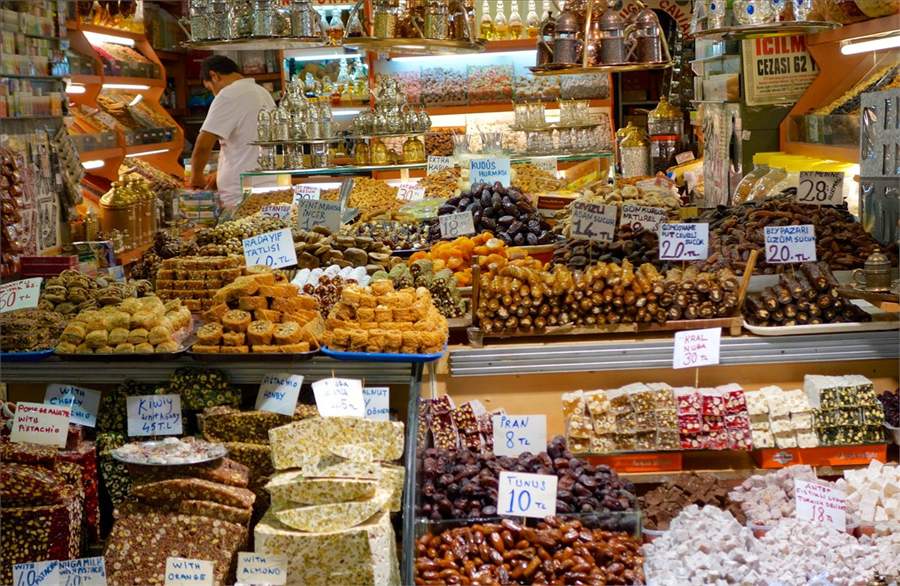
- Spices, tea and coffee from the Spice Bazaar, where a good Istanbul food tour spends its morning.
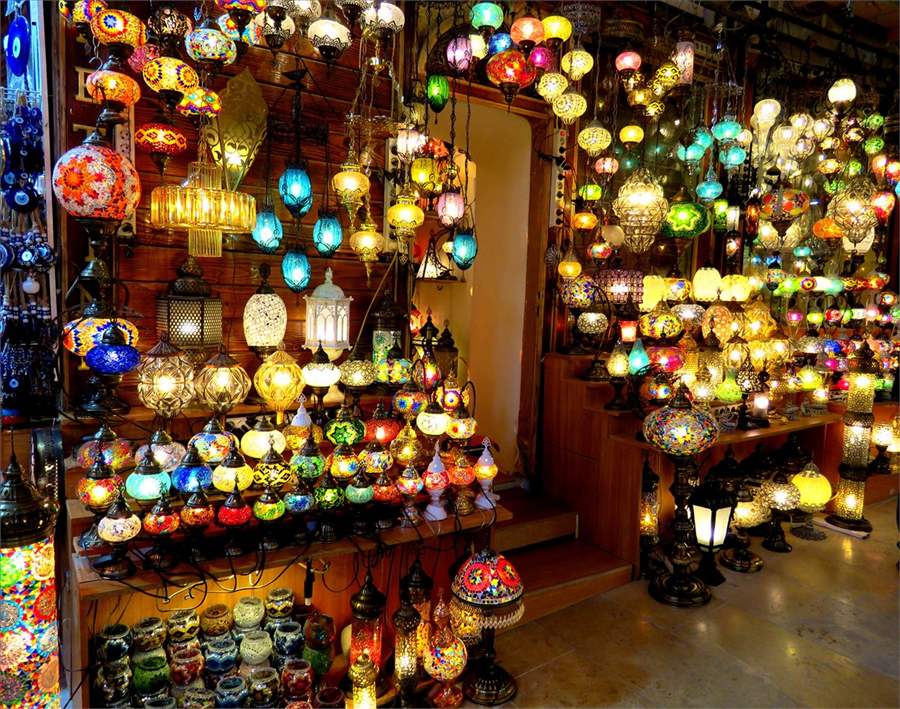
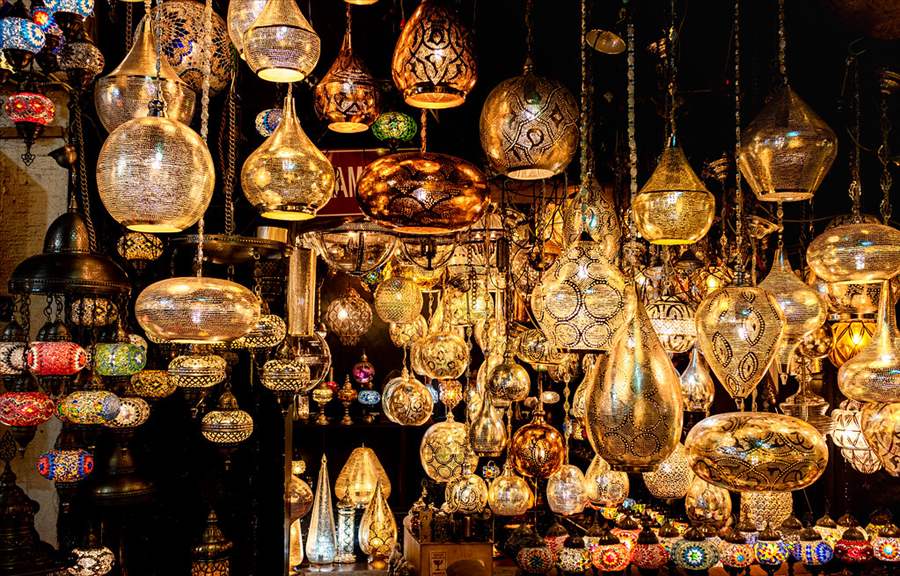
- Turkish delight, pistachio sweets and olive-oil soap, mosaic lamps and nazar beads.
Where to shop in Istanbul: the six areas that matter
Almost every shopping question here is really about which quarter to walk into.
| Area | Best for | Good to know |
|---|---|---|
| Grand Bazaar (Kapalıçarşı) | Carpets and kilims, gold, copper, leather, lamps | 4,000 shops on 60 streets. Monday to Saturday, closed every Sunday. In the old city. |
| Spice Bazaar and Eminönü | Spices, tea, coffee, Turkish delight | Open daily, Sundays included. Two minutes from the Galata Bridge. |
| İstiklal Caddesi and Galata | The main shopping street — high-street brands, clothes, books, music | Pedestrian, busy, open on Sundays. Walk down to Galata Tower afterward. |
| Nişantaşı | Designer labels, Turkish fashion houses, fine jewelry | The luxury neighborhood. European side, north of Taksim. |
| Kadıköy and Moda | Market streets, food, records, independent shops | The Asian side. Salı Pazarı street market runs Tuesday and Friday. |
| The malls and the outlets | Brands under one roof, cinemas, food courts | The outlet centers sit out toward the edges of the city, so they cost you a half-day. |
Both bazaars stand beside working mosques — see what to wear in Istanbul.
Is shopping in Istanbul cheap?
Partly, and the split is predictable. Things made in Turkey are good value; things imported into Turkey are not. Towels, soap, spices, ceramics, copper and leather are priced on local labor and material, and travelers from Western Europe and North America find them well below home prices. Brands in the malls carry import duty, so compare against your own high street first. Handmade rugs are their own category, priced on size, material, knot count and the work in them.
We print no lira figures anywhere on this site, and would rather say why: any number would date within a year. Ask us for the current range, and ask in more than one shop — everyone expects it. Cards work almost everywhere, cash sometimes moves a price in the bazaars, and on a larger purchase ask the shop for the tax-free form. Our Istanbul travel tips cover money and the İstanbulkart.
Shopping malls and outlets
A Turkish mall is a social space as much as a retail one — several stories of brands with a cinema, a basement supermarket and a food court families meet in. If the weather turns or the children have had enough of mosaics, an afternoon in one is not wasted. The malls and İstiklal keep trading on a Sunday.
Outlets are different. The outlet centers sit out toward the edges of the city, so they cost you a half-day once you count the traffic both ways. With two or three days we would keep the time in the city, as our two-day Istanbul itinerary shows. The airport departure hall is fine for a forgotten box of sweets.
Can you shop in Istanbul on a Sunday?
Yes, almost everywhere except the Grand Bazaar. The covered market is open Monday to Saturday, closed every Sunday and for the Ramazan and Kurban Bayram holidays. The Spice Bazaar is open daily, Sundays included, apart from those two holidays. The malls and İstiklal keep trading on a Sunday.
The same calendar decides the rest of the day: Topkapı closes on Tuesdays, Dolmabahçe on Mondays. A Sunday suits the Spice Bazaar, the ferries and İstiklal.
Shopping on the Asian side
Kadıköy is where we send people who have done the covered market and want the version the city uses itself. The market streets behind the ferry terminal are food first — fish, cheese, pickles, coffee, dried fruit — with clothes, books and records around them. The Salı Pazarı street market runs twice a week, on Tuesday and Friday, keeping the name Salı Pazarı, Tuesday Market, on both days. Roughly nine to six.
Moda, twenty minutes south, is quieter and full of independent shops; further out, Bağdat Caddesi is the Asian side's shopping avenue. The Şehir Hatları ferry from Eminönü leaves every fifteen to twenty minutes and takes about twenty to twenty-five; the fare is a couple of lira on an İstanbulkart, explained in our Istanbul public transport guide. We build that crossing into our two continents tour.
How to bargain, comfortably
Bargaining is expected in the bazaars and the small shops around them, and not in the malls, on İstiklal or in Nişantaşı, where the tag is the price. In the covered market it is a conversation rather than a contest, and warmth moves a price further than firmness does.
The practical part is simple. Ask the price plainly and take your time; nobody is in a hurry. Ask what the fiber is, where a piece was made and roughly when — the questions sellers most enjoy. A lira price and a euro price are both normal, so ask which you are being quoted. Accept the tea; it is hospitality and obliges you to nothing. Tipping is a separate matter — see our guide to tipping in Turkey.
Shopping with your guide
We take guests shopping, and we are glad to. Gezginol is a licensed TÜRSAB agency, and the carpet, leather, jewelry and ceramic addresses we use are cruise-line recommended and fully insured. You are welcome there, never pressured, never hassled, never kept waiting, and never obliged to buy. An hour spent looking, drinking tea and leaving with nothing is a perfectly good hour.
What a guide adds is language and context: the questions worth asking, how a price was reached, and the paperwork that gets a parcel home. That is part of what a licensed Istanbul guide does. Our Best of Istanbul day finishes in the Grand Bazaar, and the shopping takes as much or as little of it as you want. From €150 per group per day, not per person. Tips for your guide and driver are not included in that, and are customary but entirely up to you. Tell us your dates and we will build the day around what you hope to bring home.
Shopping in Istanbul — frequently asked questions
Is Istanbul good for shopping?
Is shopping in Istanbul cheap?
What is Istanbul famous for shopping?
Can you go shopping in Istanbul on a Sunday?
Where is the main shopping street in Istanbul?
Where do you shop on the Asian side of Istanbul?
Shopping in Istanbul in pictures

See it with a private local guide
Every tour we run is private and tailor-made — you choose the places, your licensed local guide plans the day with you, and a private car is always included.
Plan my private Istanbul tourTÜRSAB-licensed agency No. 15746 · skip-the-line entrance · no prepayment to enquire · a real person replies within 24 hours