- Built
- 532–537 AD, under Emperor Justinian I
- Time needed
- 60–90 minutes, longer with a guide
- Status today
- An active mosque — free to enter the prayer hall; the upper gallery is a ticketed museum route
- Dress code
- Shoulders and knees covered; women cover their hair; shoes off inside
- Closed to visitors
- During the five daily prayers, and longer on Friday around midday
- Best time
- Early morning, or the last two hours of the afternoon
Private tours from €150 per group, per day
Licensed local guide, private car and driver, and skip-the-line priority entrance. The day runs at your pace, and the plan stays yours to change.
Get my free quoteTÜRSAB-licensed agency No. 15746 · nothing to pay to ask · a real person replies within 24 hours
What Hagia Sophia is — and why it stops people in their tracks
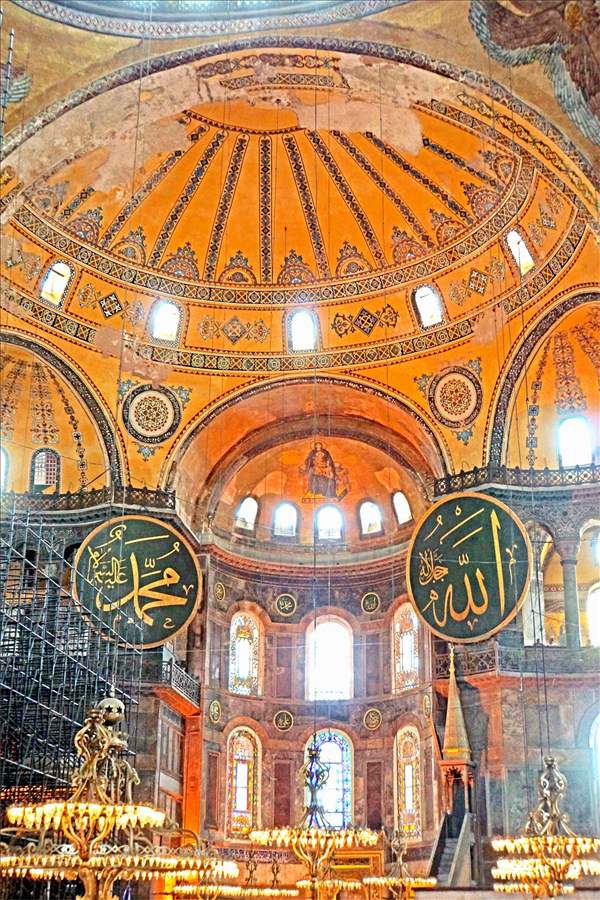
Walk in and you will see the same thing happen to everybody. People stop, tilt their heads back, and go quiet. The great dome floats roughly fifty-five meters above the floor and spans about thirty-one meters, and for nearly a thousand years there was no larger enclosed space anywhere in the world. Photographs genuinely do not prepare you for it, because what a photograph cannot capture is the sense of volume — the feeling of air above you.
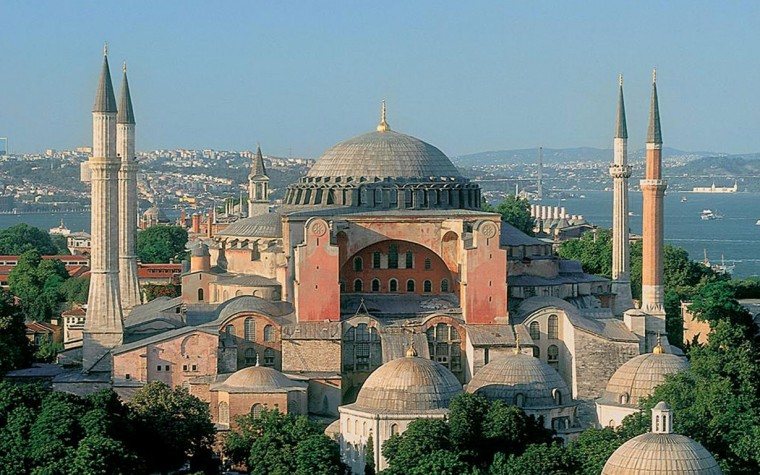
The building's trick is light. Forty windows ring the base of the dome, and by piercing the join between dome and wall the architects made the roof appear to hover rather than press down. A sixth-century writer said it seemed suspended from heaven by a golden chain, and standing underneath it you understand exactly what he meant.
A short history of Hagia Sophia
Emperor Justinian I commissioned the building in 532, immediately after riots had burned the previous church on the site to the ground. It was finished in 537 — five years and ten months, which is astonishing for a structure of this scale. Justinian did not hire master masons; he hired thinkers. Anthemius of Tralles was a mathematician and Isidore of Miletus was a physicist, and it shows. Hagia Sophia feels less like a building than a solved problem.
For nine hundred years it was the cathedral of Constantinople and the spiritual center of Eastern Christianity. In 1204 it was looted by the Fourth Crusade. In 1453, when Mehmed II took the city, it became a mosque — and here is the part we always want visitors to notice: almost nothing was destroyed. The Christian mosaics were gradually covered over rather than chiselled away, which is precisely why they could be uncovered again centuries later. Minarets were added, a mihrab was set slightly off-axis to face Mecca, and the building simply continued.
In 1935 it became a museum. In 2020 it was reconverted into a working mosque, which is its status today. That change matters for your visit: it affects opening hours, dress code and which parts of the building you can walk through.
What to look for inside Hagia Sophia
Most visitors walk in, look up, take a photograph and leave having missed nearly everything. These are the things worth hunting for.
The calligraphic roundels
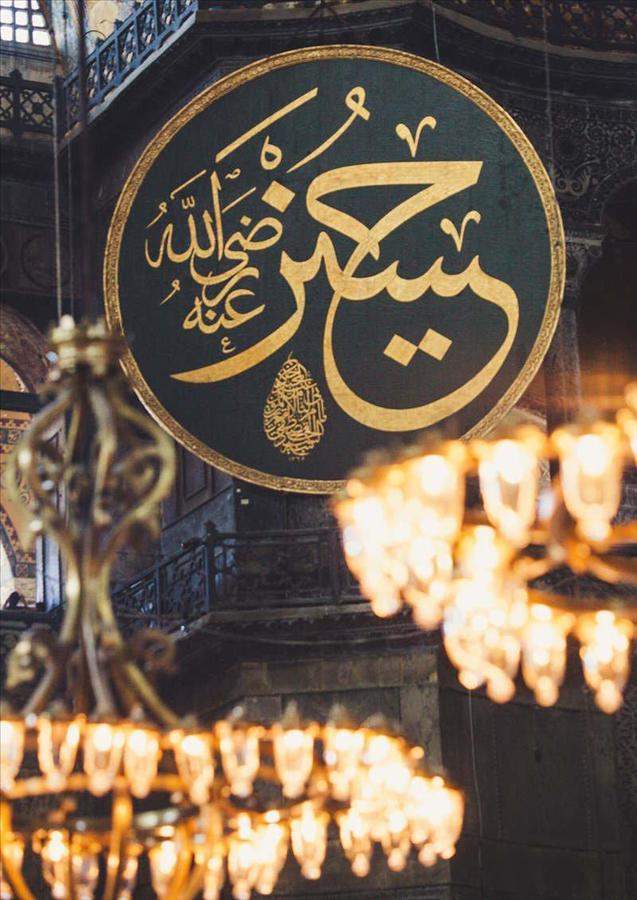
Eight enormous discs hang at gallery level — among the largest pieces of calligraphy in the Islamic world, bearing the names of God, the Prophet Muhammad, the first four caliphs and the Prophet's grandsons. They were added in the nineteenth century. Look at them and then look past them at the Byzantine mosaic of the Virgin and Child in the apse, and you are seeing two faiths occupying one room with remarkable calm. There are very few places on earth like it.
The Deesis mosaic
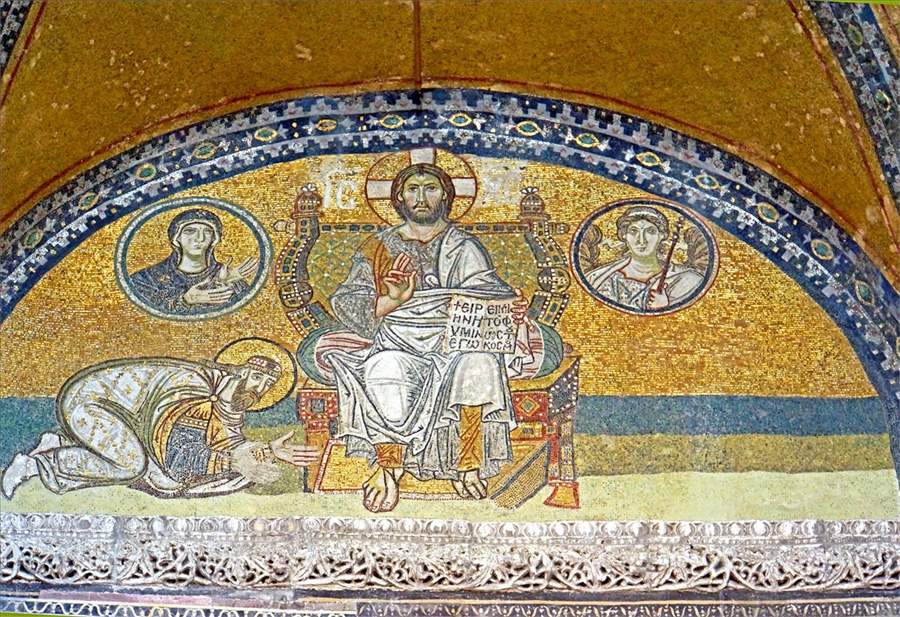
Up in the south gallery, a thirteenth-century mosaic shows Christ flanked by the Virgin and John the Baptist. Much of it has been lost, but the face survives, and it is one of the great faces in art — softer and more human than almost anything else from the period. This alone justifies going upstairs.
The Viking graffiti
On a marble balustrade in the upper gallery, a bored member of the Varangian Guard — Norse mercenaries who served the Byzantine emperors — scratched runes into the stone, probably in the ninth century. It is usually read as something close to "Halfdan was here". A piece of ninth-century idleness, preserved in a cathedral.
The weeping column
In the north aisle stands a column sheathed in bronze with a hole worn into it by centuries of thumbs. It is permanently damp, and tradition holds the moisture is miraculous. The likelier explanation is groundwater rising through the porous stone, which is not much less remarkable.
The floor and the marble
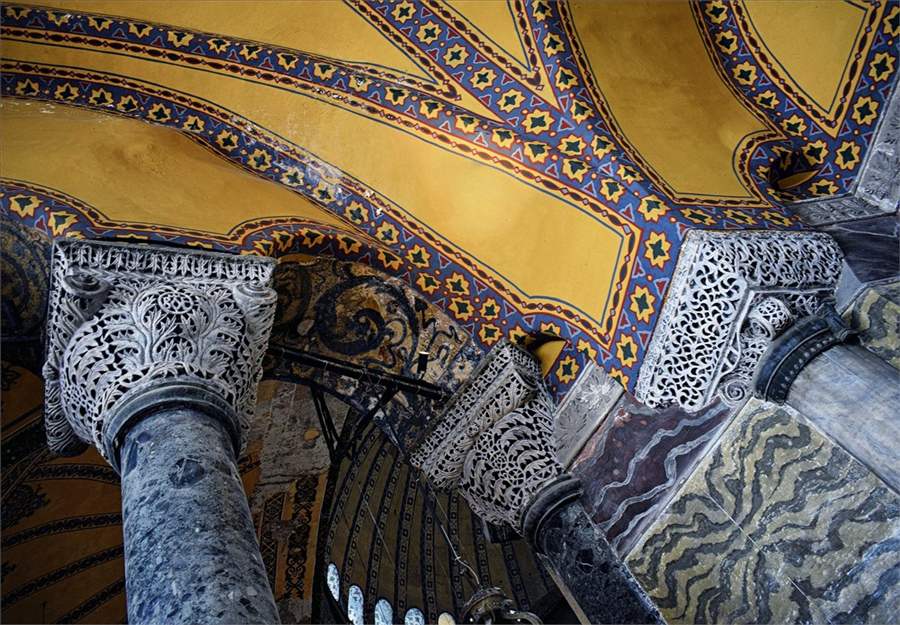
Look down as well as up. The marble was quarried across the empire and cut so that the veining opens out in mirrored patterns like butterfly wings. Near the imperial door there is a worn patch of colored stone, the Omphalion, where Byzantine emperors were crowned.
Hagia Sophia tickets and opening hours
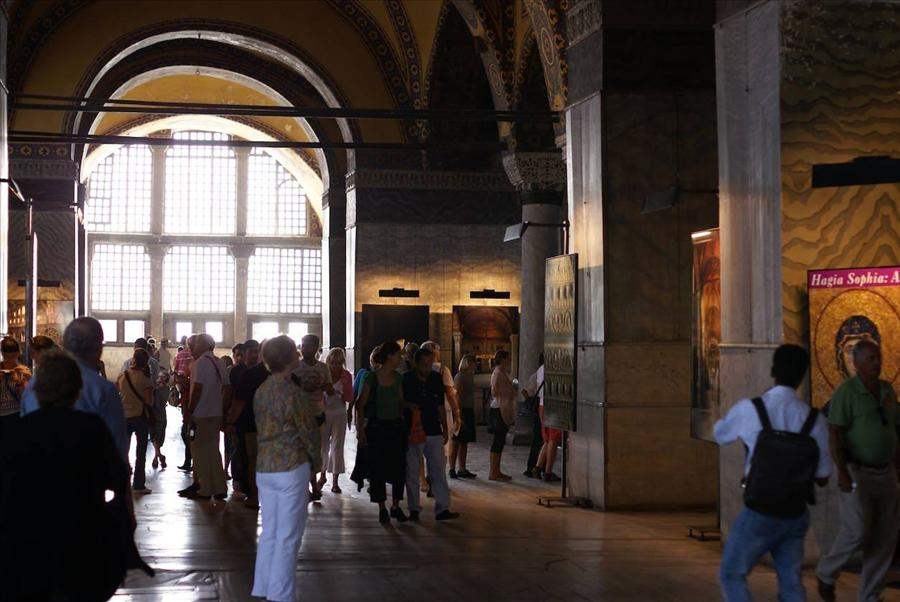
Since Hagia Sophia became a working mosque again, the arrangement has two parts. The ground-floor prayer hall is a functioning mosque and is free to enter. The upper gallery — where the finest mosaics are — is run as a ticketed museum route with a separate entrance. Prices and exact hours have changed more than once in recent years, so rather than print a figure that will be wrong by the time you read it, we confirm the current ticket situation for you before your tour and buy what you need in advance.
The critical point is prayer times. The building closes to visitors during the five daily prayers, and for a longer window around midday on Fridays. Turning up at the wrong moment means waiting outside for forty minutes. This is the single most common way visitors lose time in Istanbul, and it is trivially avoidable with a guide who checks the schedule.
Dress code
Shoulders and knees must be covered for everyone. Women are asked to cover their hair — a light scarf is ideal, and coverings are usually available at the entrance if you arrive without one. Shoes come off before you step onto the carpet; bring socks you are happy to walk in and slip-on shoes will save you time. Photography is allowed, though tripods are not, and it is common courtesy not to photograph people at prayer.
How long do you need at Hagia Sophia?
An hour is enough to walk through and be impressed. Ninety minutes lets you go up to the gallery properly and actually find the Deesis and the runes. With a guide it tends to run to about ninety minutes, because there is a great deal to explain and people ask questions once they realize how much is hiding in plain sight.
Visiting Hagia Sophia with a private guide
This is the building where a guide changes the most, for one simple reason: there is almost no explanation on the walls. You can stand under the dome and be moved by it, but without someone to tell you what you are looking at, you will not know that the mihrab is set at a slight angle to the room, or why there is a mosaic of a Byzantine empress with a re-cut face, or what happened here in 1453.
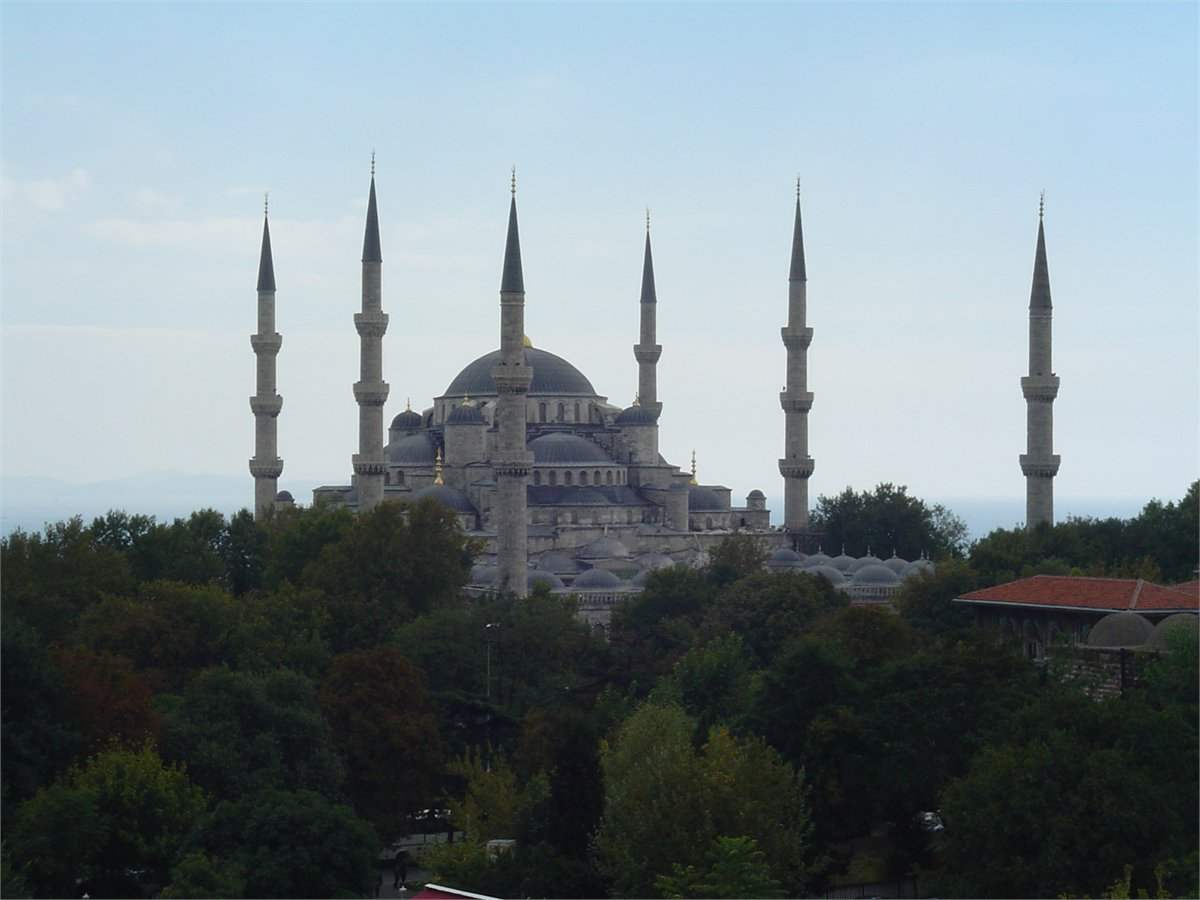
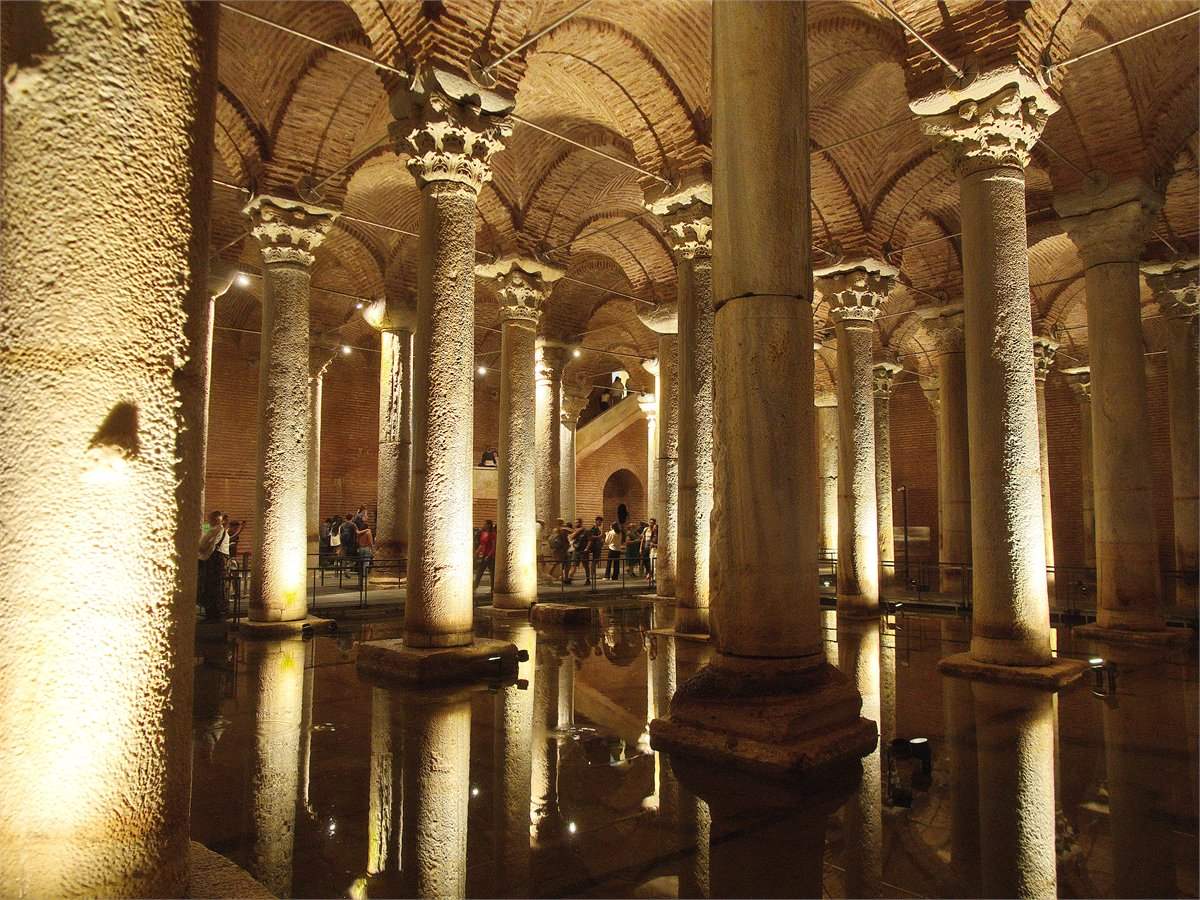
On a private tailor-made Istanbul tour we time the visit around the prayer schedule, handle the tickets, and take the building in an order that makes narrative sense — ground floor first, then the gallery. Hagia Sophia sits a two-minute walk from the Blue Mosque, three minutes from the Basilica Cistern and five from Topkapı Palace, so it slots naturally into a single guided day in the old city.
Hagia Sophia — frequently asked questions
Do you need tickets for Hagia Sophia?
The ground-floor prayer hall is an active mosque and free to enter. The upper gallery, where the best Byzantine mosaics are, is a ticketed museum route with its own entrance. Ticket arrangements have changed several times since 2020, so we confirm the current situation and arrange what you need before your tour.
Is Hagia Sophia worth visiting?
Without hesitation. It is the most historically significant building in Istanbul and arguably one of the most important buildings in the world — the great church of Byzantium, an imperial Ottoman mosque, and an engineering leap that was not surpassed for a thousand years. Even visitors with no interest in architecture tend to fall silent inside it.
What is the dress code for Hagia Sophia?
Shoulders and knees covered for everyone, hair covered for women, and shoes removed before stepping onto the carpet. Scarves and coverings are generally available at the entrance, but bringing your own scarf and easy slip-on shoes makes the visit much more comfortable.
How long should I spend at Hagia Sophia?
Allow at least an hour, and ninety minutes if you want to go up to the gallery and find the Deesis mosaic and the Viking runes. Guided visits usually run about ninety minutes.
Can you visit Hagia Sophia and the Blue Mosque on the same day?
Easily — they face each other across a garden, about a two-minute walk apart. Most of our guests see both, plus the Hippodrome and the Basilica Cistern, in a single morning, because everything in Sultanahmet is within a few minutes' walk.
Is Hagia Sophia closed on any day?
It does not close for a full day, but it does close to visitors during the five daily prayer times and for a longer period around midday on Fridays. Timing your visit around the prayer schedule is the main reason people either sail in or queue pointlessly.
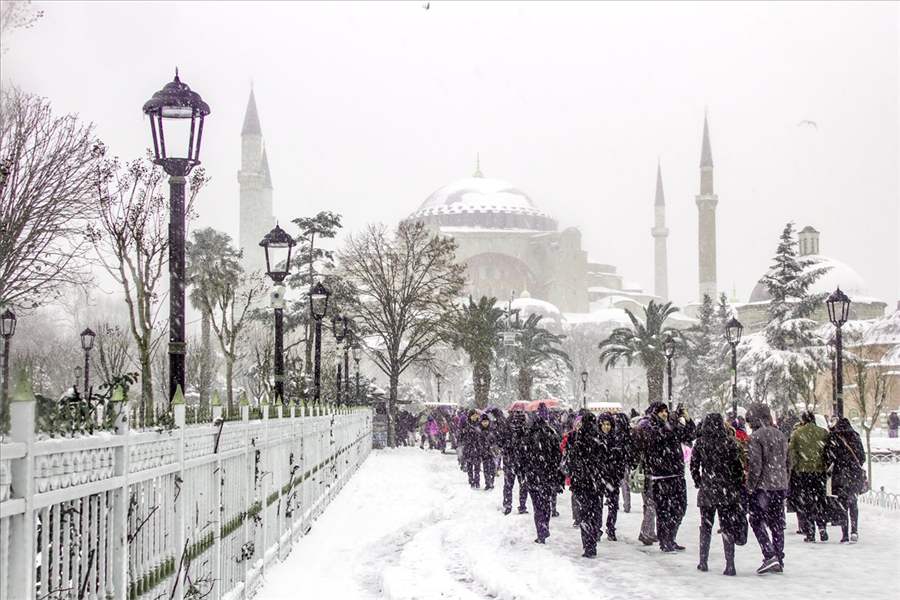
Hagia Sophia in pictures
See it with a private local guide
Every tour we run is private and tailor-made — you choose the places, your licensed local guide plans the day with you, and a private car is always included.
Plan my private Istanbul tourTÜRSAB-licensed agency No. 15746 · skip-the-line entrance · no prepayment to enquire · a real person replies within 24 hours