- Best months
- April–May and September–October
- Hottest
- July–August, 30°C+ and humid
- Wettest
- December–March
- Fewest crowds
- November–February
- Tulips
- April, in Emirgan and Gülhane parks
- With Cappadocia
- Spring or autumn — best odds for balloons
Private tours from €150 per group, per day
Licensed local guide, private car and driver, and skip-the-line priority entrance. The day runs at your pace, and the plan stays yours to change.
Get my free quoteTÜRSAB-licensed agency No. 15746 · nothing to pay to ask · a real person replies within 24 hours
April, May, September and October are the best months to visit Istanbul — warm enough to sit outside, cool enough to walk all day, and without July's heat or January's rain. If you can only travel in summer or winter, both work; they simply need a different plan, and this page sets out what changes.
Istanbul weather month by month
| Season | What it is actually like |
|---|---|
| March–May | The best of the year. Mild, green, and the tulips take over the parks in April. Rain still possible in March. |
| June–August | Hot and humid, 30°C and up, crowded. Mornings and evenings are fine; midday in Sultanahmet is punishing. |
| September–October | Our own favorite. Summer warmth without summer crowds, and the light on the Bosphorus is at its best. |
| November–February | Cool, gray and wet, occasionally snowy. Far fewer visitors, lower prices, and the monuments to yourself. |
Why spring and autumn win
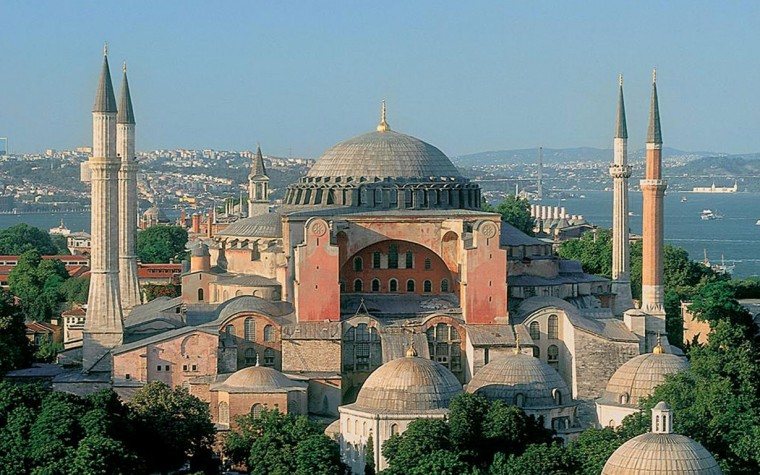
Istanbul is a walking city with cobbled hills, and temperature decides how much of it you actually see. In April or October you can do a full day in Sultanahmet and still want dinner out. In August you will lose the middle of the day whether you planned to or not. Shoulder season also means shorter queues at Hagia Sophia and Topkapı, which is worth an hour a day on its own.
Summer, honestly
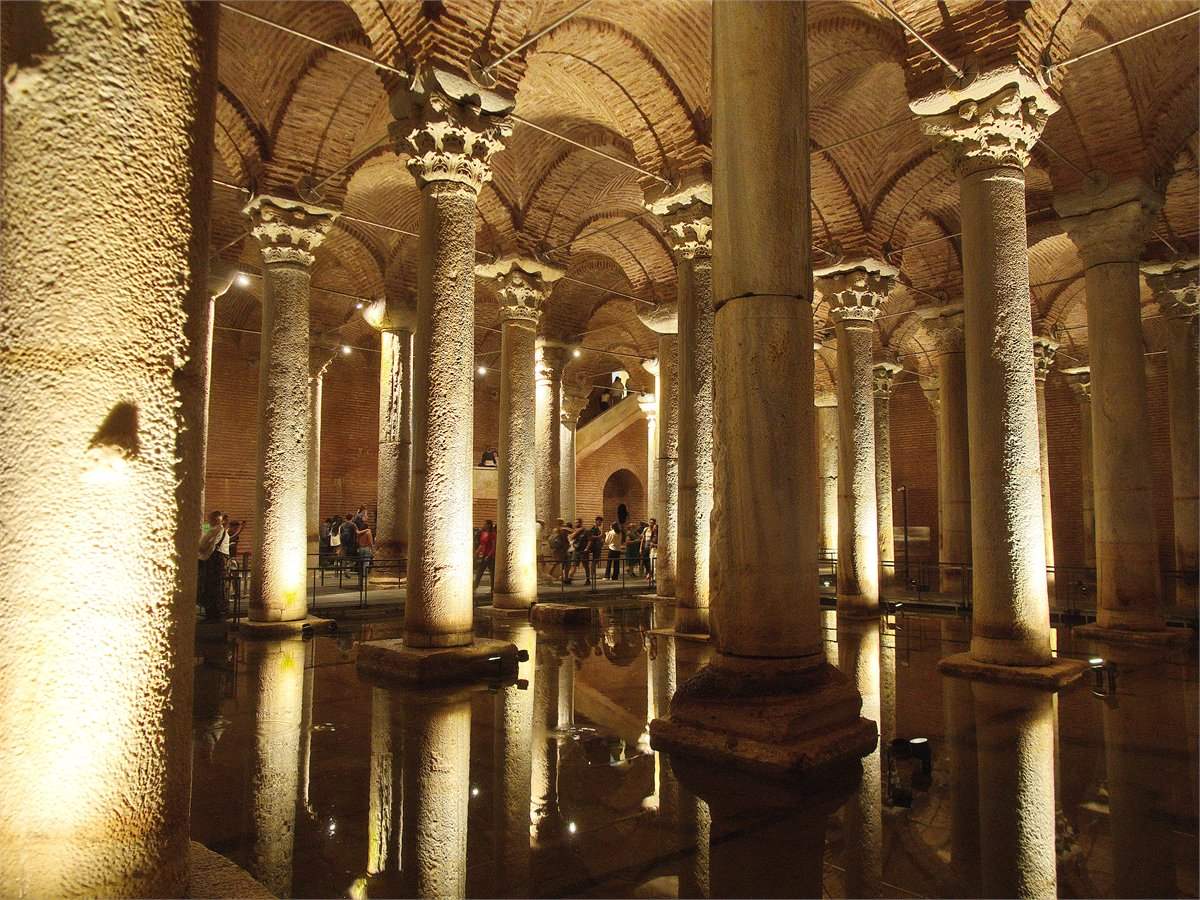
If July or August is when you can come, come — just invert the day. Start at eight, take the middle of the afternoon off, and go back out at six. Put the Bosphorus in the late afternoon when there is a breeze on the water, and save indoor sights like the Basilica Cistern for the hottest hours. Book anything timed well in advance; summer is when the queues are genuinely long.
Winter is underrated
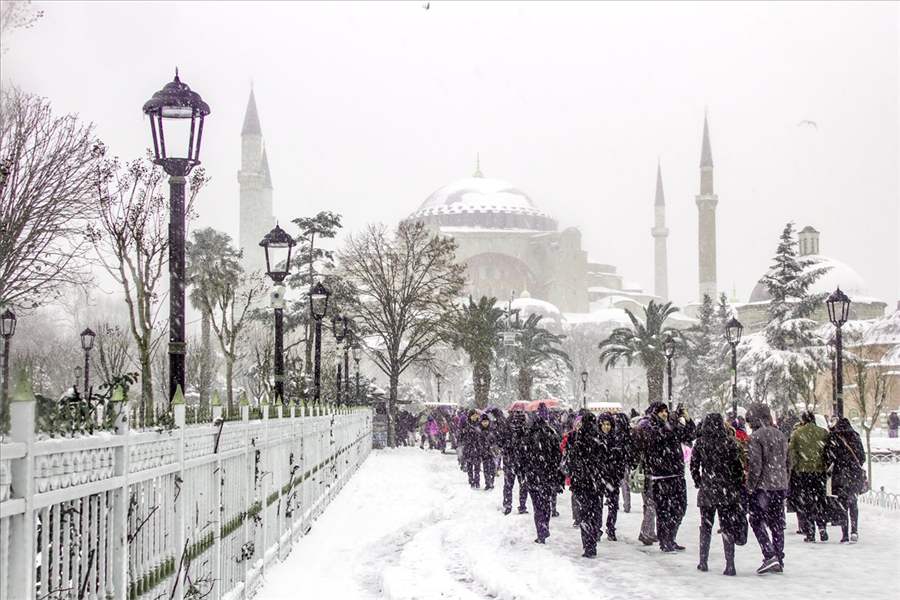
Between November and February you get the city without the crowds. Hagia Sophia in the rain, with the light coming gray through the windows, is arguably better than in high summer. It snows perhaps a few days a year, and Istanbul under snow is extraordinary. Bring a proper coat and waterproof shoes — the cobbles are slick — and expect some Bosphorus boats to be cancelled in rough weather.
Ramadan and public holidays
Ramadan moves each year. Visiting during it is fine and often lovely — the evenings are festive, particularly around the Blue Mosque — but mosque visiting hours tighten and some restaurants shift their timings. The two religious holidays that follow, and the national holidays, are when Turkish families travel: domestic flights, hotels and the Princes' Islands all fill up. Check the dates before booking.
Best time to visit Istanbul and Cappadocia together
If you are combining the two, the shoulder months matter more, not less. Cappadocia is colder than Istanbul in winter and hotter in summer, and its balloon flights are cancelled for wind far more often than visitors expect — spring and autumn give you the best odds of flying. April–May and September–October suit both cities well; July suits neither comfortably.
What changes about the itinerary by season
The month does not just change the weather, it changes the order of the day. In summer we start earlier and put indoor sights — the Cistern, Topkapı's interiors, the Grand Bazaar — into the hottest hours, with the Bosphorus at the end when there is a breeze. In winter we do the opposite: outdoor walking in the bright middle of the day, indoor monuments at the edges, and we keep a wet-weather alternative ready for every outdoor stop.
Prices and crowds through the year
Hotel rates track the crowds closely: highest from late April through June and again in September–October, lowest from November to March excluding New Year. Queues follow the same curve, and the difference at Hagia Sophia between a February morning and a June morning is measured in hours, not minutes. If your dates are flexible and your priority is seeing things properly rather than sitting outside, winter is genuinely the better trip.
What to pack, by season
- Spring and autumn: layers and a light rain jacket. Mornings are cool, afternoons warm.
- Summer: sun protection, a refillable bottle, and clothing that covers shoulders and knees for the mosques — which is harder in August than people plan for. See what to wear in Istanbul for the mosque dress code in full.
- Winter: a proper coat and waterproof shoes with grip. Istanbul's cobbles and marble steps are slippery when wet, and this is the single most common winter complaint we hear.
So when should you come?
Late April to early June, or mid-September to late October. Second choice: winter, if you would rather have empty monuments than warm weather. The month you pick changes the itinerary more than most people expect, which is why we plan the day around your dates rather than handing out the same route. Tours from €150 per group per day — tell us when you are coming and we will tell you honestly what that season is like.
Best time to visit — frequently asked questions
What is the best time to visit Istanbul?
What is Istanbul like in summer?
Is winter a bad time to visit Istanbul?
When is the best time to visit Istanbul and Cappadocia together?
Should I avoid Istanbul during Ramadan?
When is Istanbul least crowded?
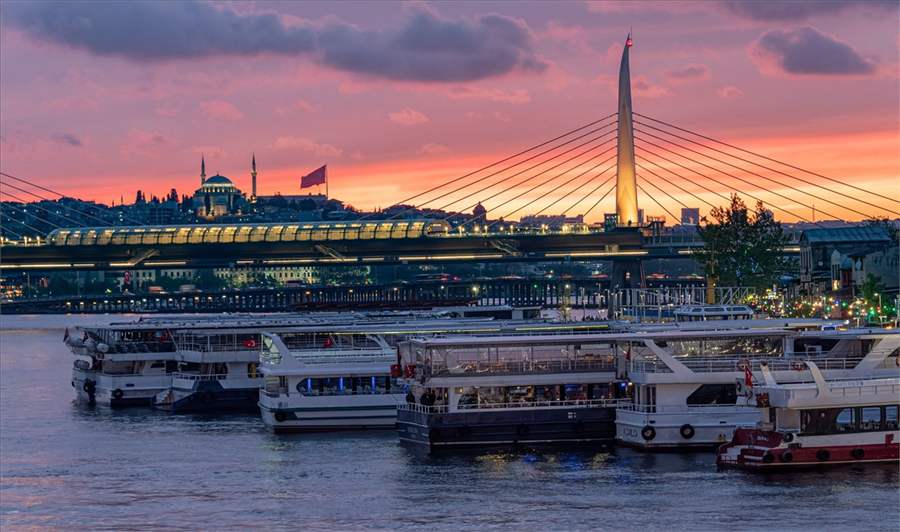
Best time to visit in pictures

See it with a private local guide
Every tour we run is private and tailor-made — you choose the places, your licensed local guide plans the day with you, and a private car is always included.
Plan my private Istanbul tourTÜRSAB-licensed agency No. 15746 · skip-the-line entrance · no prepayment to enquire · a real person replies within 24 hours