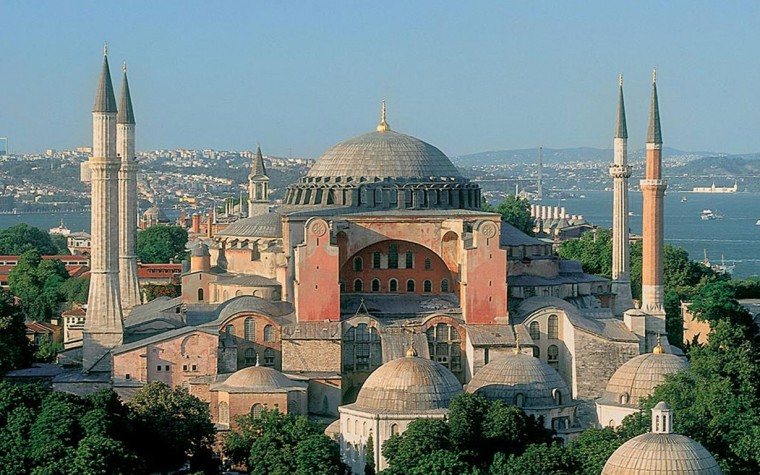
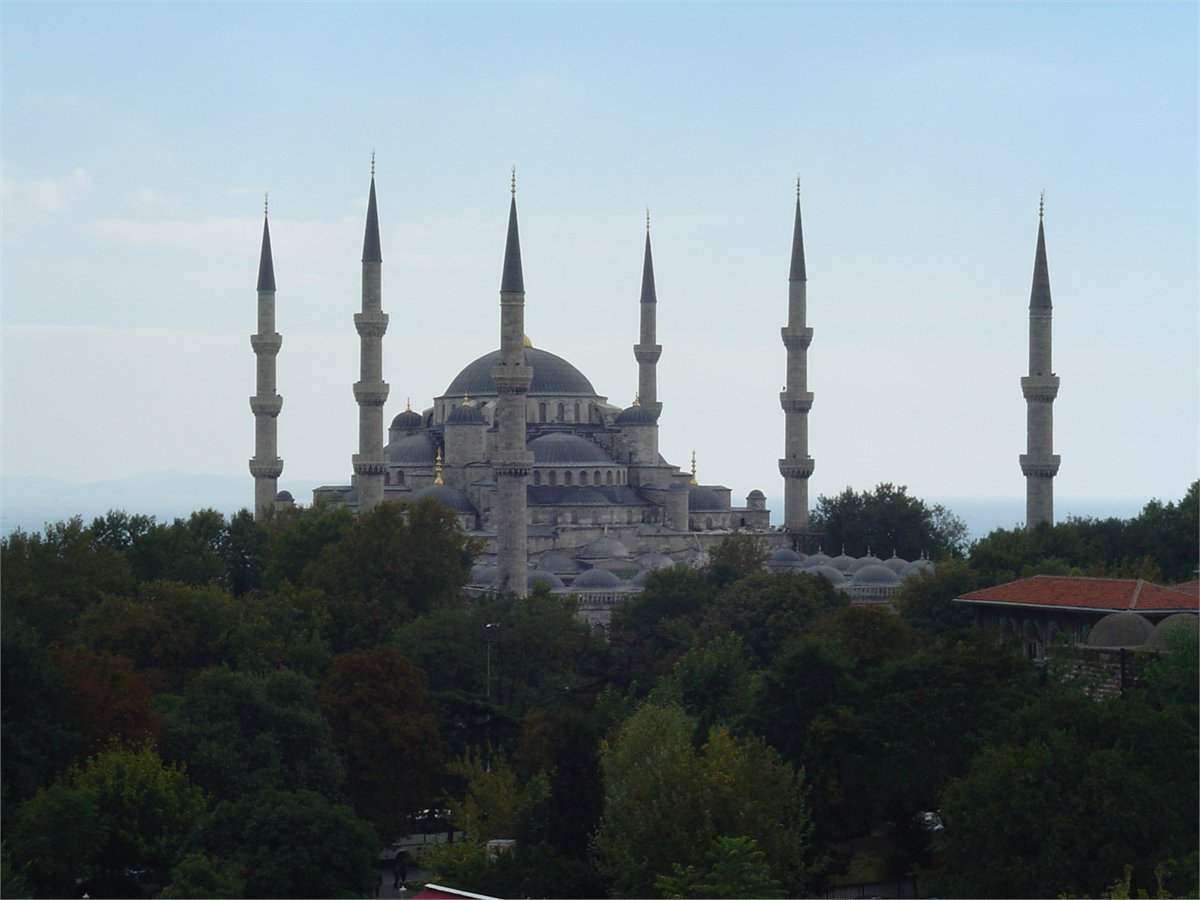
- What is Sultanahmet?
- Istanbul's historic core, in the Fatih district on the European side
- Named after
- The Sultan Ahmed (Blue) Mosque, built 1609–1616
- What is there
- Hagia Sophia, the Blue Mosque, Topkapı, the Hippodrome, the Basilica Cistern
- Getting there
- T1 tram: Sultanahmet, Gülhane or Beyazıt-Kapalıçarşı stops
- Is it safe?
- Yes; watch your bag in crowds and use the main streets late at night
- Time needed
- Half a day for the core, a full day with Topkapı
Private tours from €150 per group, per day
Licensed local guide, private car and driver, and skip-the-line priority entrance. The day runs at your pace, and the plan stays yours to change.
Get my free quoteTÜRSAB-licensed agency No. 15746 · nothing to pay to ask · a real person replies within 24 hours
Sultanahmet is the historic heart of Istanbul: a small neighborhood on the old city peninsula, named after the Sultan Ahmed Mosque (the Blue Mosque), where Hagia Sophia, Topkapı Palace, the Hippodrome and the Basilica Cistern sit within five minutes' walk of a single garden. Almost everything a first-time visitor comes for is here, or just downhill. Understand how the pieces fit and the day runs smoothly; skip that and you spend it doubling back.
What is Sultanahmet?
A neighborhood of the Fatih district, on the European side of the city. It takes its name from the mosque Sultan Ahmed I built between 1609 and 1616, across the garden from Hagia Sophia: Sultanahmet Camii, which the rest of the world calls the Blue Mosque. The name simply means "Sultan Ahmed".
"The old city" means the whole historic peninsula, with the Golden Horn to the north, the Bosphorus to the east and the Sea of Marmara to the south. In 1985 UNESCO inscribed the Historic Areas of Istanbul; the Sultanahmet archaeological park is one of its four parts, alongside Süleymaniye, Zeyrek and the land walls. Those fifth-century walls still cross the peninsula out near the Chora and Balat, so in a sense Istanbul is still a walled city.
What to see in Sultanahmet, and how close it all is
Walking times are from the garden between Hagia Sophia and the Blue Mosque; each sight has its own guide on this site.
| Sight | Walk | Allow | Good to know |
|---|---|---|---|
| Hagia Sophia | You are beside it | 60–90 minutes | Foreign visitors take a ticketed route through the upper gallery, with its own entrance |
| Blue Mosque | 2 minutes | 30–45 minutes | Free; closes to visitors at prayer times |
| The Hippodrome (Sultanahmet Square) | 2–3 minutes | 20–30 minutes | A free public square that never closes |
| Basilica Cistern | 2 minutes | 30–45 minutes | Ticketed |
| Topkapı Palace | 5 minutes | 3 hours | Ticketed; closed on Tuesdays |
| Istanbul Archaeology Museums | About 10 minutes | 1.5–2 hours | Rarely crowded |
| Grand Bazaar | About 15 minutes | 2 hours | Free to enter; closed on Sundays |
The best order to walk the old city
Plan the order around crowds and prayer times, not distance:
- The Hippodrome, early: free, nearly empty before nine, and the story of the city starts here.
- The Blue Mosque, before the coaches, and never at prayer time.
- Hagia Sophia, for ninety minutes.
- The Basilica Cistern, cool and underground just when your feet need it.
- Lunch, two or three streets back from the square.
- The afternoon fork: Topkapı (never on a Tuesday) or the Grand Bazaar (never on a Sunday), then downhill past Süleymaniye to the Spice Bazaar and the Galata Bridge for sunset.
If the palace is your priority, turn the day around and be at Topkapı when it opens. On a Friday the Blue Mosque opens to visitors only in the afternoon, so start with Hagia Sophia and the Cistern instead. Our one-day itinerary has the hour-by-hour version.
Beyond the famous five
The Archaeology Museums
Between Topkapı and Gülhane Park, this three-museum complex holds the Alexander Sarcophagus, in a hall that reopened in 2019 after years of renovation. It stays quiet even when the palace next door is packed.
Little Hagia Sophia
Küçük Ayasofya, just south of the Hippodrome, was built by Justinian and Theodora between 527 and 536 as the Church of Saints Sergius and Bacchus, and became a mosque in 1497. It is usually nearly empty.
The Turkish and Islamic Arts Museum
It fills the sixteenth-century palace of İbrahim Pasha on the west side of the Hippodrome, and its carpets, from rare Seljuk pieces onward, are among the finest anywhere.
Divan Yolu and Constantine's column
The street the tram follows toward the Grand Bazaar is Divan Yolu, on the line of the Mese, the main avenue of Byzantine Constantinople. At the Çemberlitaş stop stands the Column of Constantine, bound in the iron hoops that give it its Turkish name, "hooped stone".
Is Sultanahmet safe, day and night?
Yes, and the district has a tourist police presence. The risk is the ordinary big-city one: the UK government's travel advice for Turkey notes that "street robbery and pickpocketing are common in the major tourist areas of Istanbul", and this is the major tourist area.
- Keep your bag in front of you outside Hagia Sophia, on the midday tram and in the Grand Bazaar.
- Expect to be greeted. Waiters and sellers call out more here than almost anywhere in the city. A smile and "no thank you" is enough, and if a shop looks interesting, go in; most sellers enjoy the conversation.
- Turn down strangers who offer to take you to a restaurant or nightclub, which the same advice warns about.
At night the squares are lit, the domes are floodlit and in summer people stroll until late. The back lanes toward Cankurtaran and Kadırga go quiet once the restaurants close; quiet is not unsafe, but walk home along the main streets. The city-wide picture is in is Istanbul safe for tourists.
Where to eat in Sultanahmet
The restaurants facing the squares are built for passing visitors, and you pay for the view. Walk two or three streets back, toward Cankurtaran or Kadırga, and the menus get shorter and the customers more local.
- Köfte and piyaz: grilled meatballs with a white-bean salad, the district's own lunch, known across Turkey as Sultanahmet köftesi.
- Cheap and excellent: the esnaf lokantası, tradesmen's canteens with trays of home cooking, in the streets behind the Grand Bazaar.
- Dinner: walk down to Kumkapı on the Marmara shore for fish and long evenings of meze.
What to order is in our Istanbul food guide.
How do you get to Sultanahmet?
By the T1 tram. Use the Sultanahmet stop for the Blue Mosque, Hagia Sophia and the Hippodrome, Gülhane, the next stop toward Eminönü, for the park and the Archaeology Museums, and Beyazıt-Kapalıçarşı for the Grand Bazaar.
- From Taksim: the F1 funicular down to Kabataş, then the T1 the whole way. Allow about half an hour.
- From Karaköy or Galata: the same tram across the Galata Bridge, in around ten minutes.
- From the Asian side: a ferry to Eminönü and three tram stops uphill, or the Marmaray line to Sirkeci, two stops away.
- From the airport: Havaist runs a Sultanahmet bus line, and by road Istanbul Airport is roughly 45 to 70 minutes away. Our airport transfer guide compares the ways into town.
You will need an Istanbulkart, or a contactless bank card at most gates; see our guide to public transport in Istanbul.
How long do you need in Sultanahmet?
Half a day covers the core: the Hippodrome, the Blue Mosque, Hagia Sophia and the Cistern. Add Topkapı and it is a full day; add the museums, Little Hagia Sophia and the bazaars and you could fill a second. Our two-day itinerary gives day one to Sultanahmet and day two to the Bosphorus.
Should you stay here? For a short first visit, usually yes: you wake up beside the monuments and can go back to the room at midday. The trade-off is that the district is quiet at night. We compare it with Taksim, Karaköy and the rest in where to stay in Istanbul.
Walking Sultanahmet with a local guide
A guide changes the day most here, because so much is invisible without explanation (the Hippodrome above all), and because timing around queues and prayers decides how much you see. We buy entrance tickets in advance at the gate price, with no markup, and you use the priority entrance; ticket costs are quoted separately.
Our Best of Istanbul tour covers the core of this walk with one of our small team of licensed local guides, from €150 per group per day. Browse all our tours or tell us your dates.
Sultanahmet old city — frequently asked questions
Is Sultanahmet safe at night?
Yes. The squares are lit, the domes are floodlit and in summer people are out until late. The back lanes toward Cankurtaran and Kadırga go quiet once the restaurants close, so walk home along the main streets, keep your bag in front of you, and turn down strangers who offer to take you to a restaurant or nightclub.
What does Sultanahmet mean?
It means "Sultan Ahmed". The district is named after the Sultan Ahmed Mosque, Sultanahmet Camii, better known as the Blue Mosque, which Sultan Ahmed I built between 1609 and 1616 across the garden from Hagia Sophia.
Is Sultanahmet in Europe or Asia?
Europe. Sultanahmet is in the Fatih district on the historic peninsula, on the European side of the Bosphorus. So are Karaköy, Galata and Taksim; the Asian side begins across the water, at Kadıköy and Üsküdar.
What time does Sultanahmet close?
The district itself never closes: Sultanahmet Square and its streets are public and open around the clock. The Blue Mosque closes to visitors around the midday and afternoon prayers and opens to them only in the afternoon on Fridays, and the ticketed sights set their own hours, which change with the season, so check the page for each one, or ask us, before you go.
How far is Taksim Square from Sultanahmet?
A few kilometers, across the Golden Horn. By public transport, take the T1 tram to Kabataş and the F1 funicular up to Taksim; allow about half an hour. A taxi is quicker only when the traffic allows.
How do I get from Sultanahmet to Istanbul Airport?
Havaist runs a Sultanahmet airport bus line, the metro works if you travel light and do not mind changes, and a private transfer collects you from your hotel. By road it is roughly 45 to 70 minutes. Our airport transfer guide compares the ways into town.
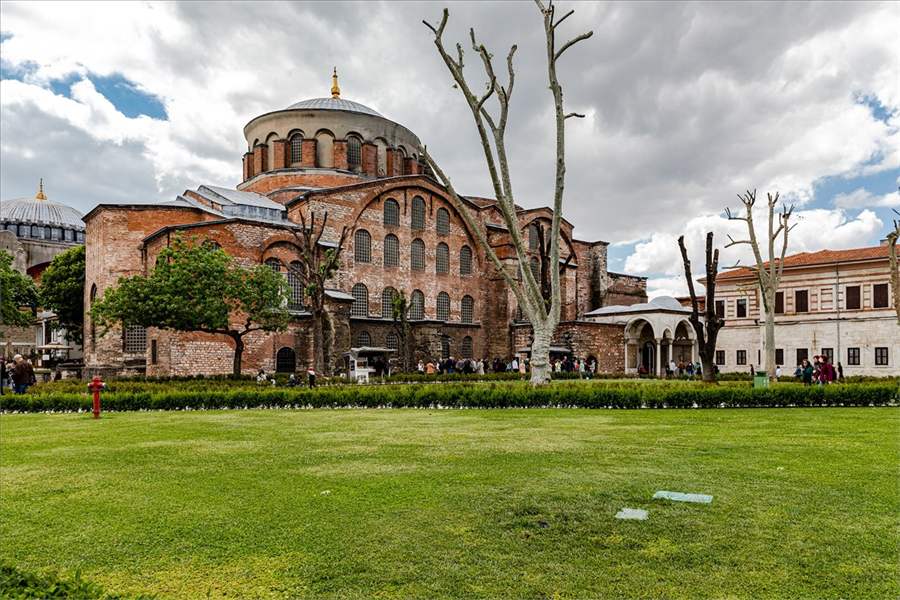
Sultanahmet old city in pictures



See it with a private local guide
Every tour we run is private and tailor-made — you choose the places, your licensed local guide plans the day with you, and a private car is always included.
Plan my private Istanbul tourTÜRSAB-licensed agency No. 15746 · skip-the-line entrance · no prepayment to inquire · a real person replies within 24 hours