- Currency
- Turkish lira (TRY); cards widely accepted
- Transport card
- Istanbulkart — buy one at any station, it works on everything
- Tap water
- Not recommended for drinking; bottled is cheap and everywhere
- Tipping
- Around 10% in restaurants; round up taxis
- Language
- English is common in tourist areas, less so elsewhere
- Safety
- Generally very safe; normal big-city awareness applies
Private tours from €150 per group, per day
Licensed local guide, private car and driver, and skip-the-line priority entrance. The day runs at your pace, and the plan stays yours to change.
Get my free quoteTÜRSAB-licensed agency No. 15746 · nothing to pay to ask · a real person replies within 24 hours
Money
The currency is the Turkish lira. Cards are accepted almost everywhere including taxis, but carry some cash for markets, street food, tips and small shops. Use bank ATMs rather than the standalone machines in tourist areas, and always decline the "conversion to your home currency" offer at the ATM or card terminal — that is dynamic currency conversion and the rate is poor. Choose to be charged in lira.
Exchange offices in Sultanahmet and the Grand Bazaar generally give better rates than airports or hotels. Inflation has been significant in recent years, so prices quoted in older guidebooks and blog posts are frequently out of date.
Getting around
Buy an Istanbulkart as soon as you arrive. It is a rechargeable card that works on the tram, metro, bus, funicular and the ferries, it makes each journey cheaper than a single ticket, and one card can be used for several people. Machines at every station take cash and cards. Our full public transport guide goes through every line, fare and gotcha in detail.
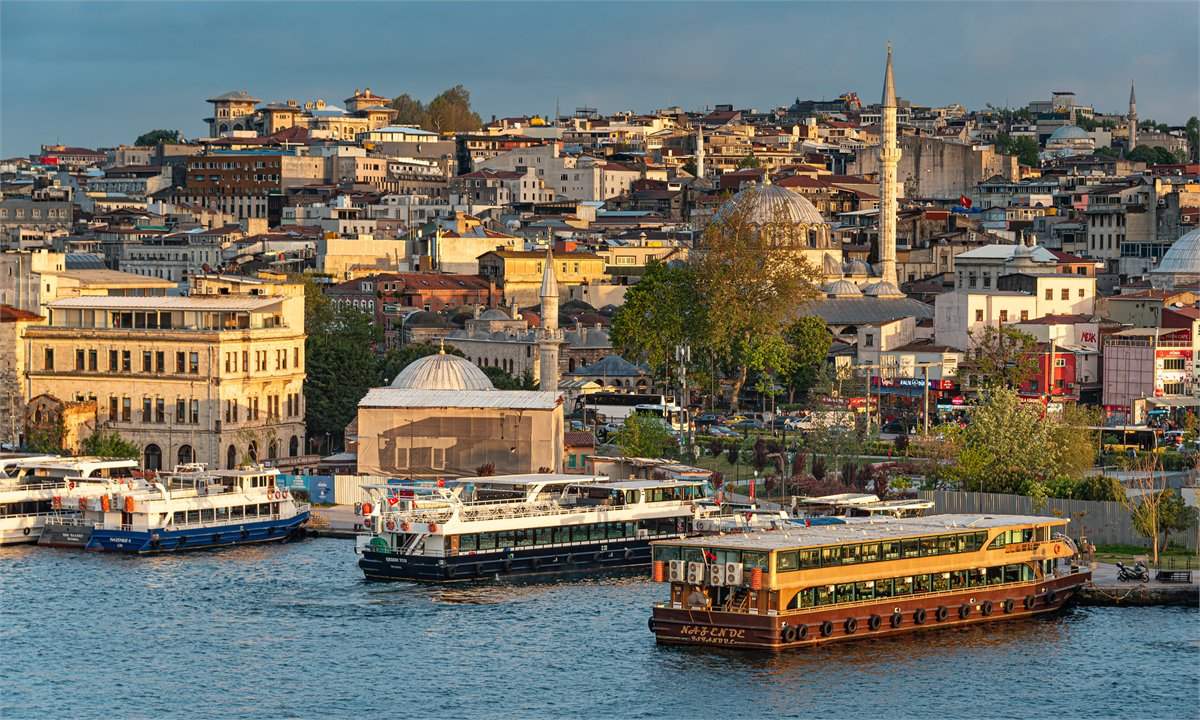
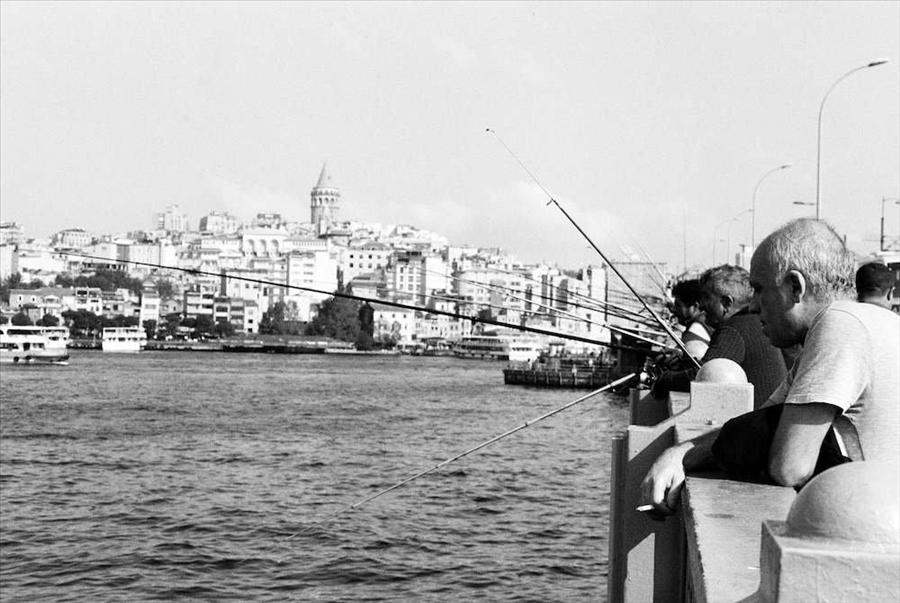
The T1 tram runs through Sultanahmet, over the Galata Bridge and up to Kabataş, and covers most of what a visitor needs. The ferries are the best-value sightseeing on earth. Taxis are metered and fine — use the meter, or a ride-hailing app to avoid any discussion.
Traffic is heavy and unpredictable. Whenever the ferry or tram is an option, it is usually faster than a car.
Safety and the scams that actually exist
Istanbul is a large city and, by the standards of large cities, a notably safe one. Violent crime against visitors is rare and people are generally helpful. Ordinary caution in crowds is enough.
The scams to know are small and avoidable. The shoeshine trick: a man drops a brush in front of you, you helpfully pick it up, and you are then given a shine you did not ask for and an aggressive price. The friendly stranger who takes you to a bar — usually near İstiklal — where an enormous bill appears. Do not go to a bar chosen by someone who approached you. Taxi touts inside the airport terminal: licensed drivers never solicit in arrivals.
None of these are dangerous. All of them are avoided by declining politely and walking on.
Mosque etiquette
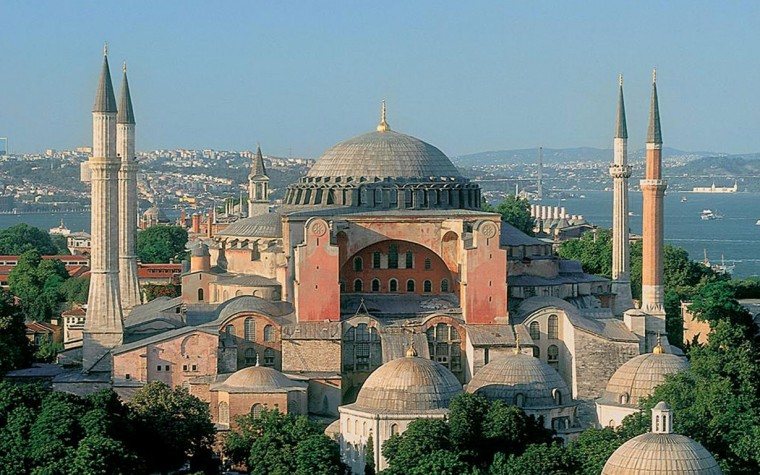
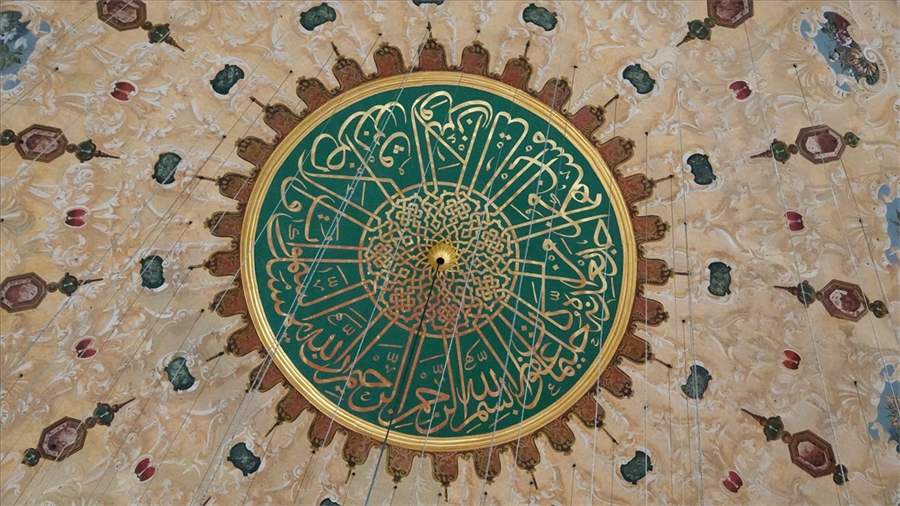
Mosques are working places of worship and visitors are genuinely welcome. Cover shoulders and knees; women cover their hair — carry a light scarf. Remove your shoes at the entrance and carry them in the bag provided. Avoid visiting during the five daily prayers, and expect a longer closure around midday on Friday. Do not photograph people praying, do not walk in front of someone at prayer, and keep your voice down. Entry is free everywhere.
Practical odds and ends
Tap water is chlorinated and technically treated but not pleasant to drink; bottled water costs very little. Tipping is around ten per cent in restaurants, rounding up for taxis, and a small note for hotel staff — and since January 2026 restaurants may no longer add a compulsory service or cover charge, so what you leave is entirely your own decision. Our guide to tipping in Turkey covers guides, drivers, hamams and whether to tip in lira or euros. SIM cards are available at the airport and in the city; registering a foreign phone for long-term use is expensive, so a tourist data SIM is the sensible option for a short trip. Plugs are European two-pin, 220V. Toilets in public places often cost a small coin — keep some.
Language: English is widely spoken in tourist areas and much less so elsewhere. A few words go a very long way here — merhaba (hello), teşekkürler (thank you), lütfen (please). Turkish people are notably warm to visitors who try.
The mistakes first-timers make
Underestimating distances. Istanbul is enormous and spans two continents. Two sights that look close on a map can be an hour apart in traffic — and day trips further afield are genuinely far: Gallipoli is a 13-15 hour round trip, not an afternoon out.
Ignoring closed days. Topkapı closes Tuesdays, Dolmabahçe Mondays, the Grand Bazaar Sundays.
Trying to do too much. Four monuments in a day is not a day out, it is a route march. Three, plus a ferry and a proper lunch, is a better trip — see our how many days in Istanbul guide if you're still deciding trip length.
Eating on the main square. Walk two streets back and both the price and the food improve.
Wearing new shoes. The old city is cobbled, hilly and unforgiving.
If safety is on your mind, we have written a straight answer to that as well: is Istanbul safe for tourists? — with the actual crime figures rather than the headlines.
If you would rather not think about any of this, a private tailor-made tour handles the timing, the tickets and the traffic — and see our month-by-month guide for choosing when to come.
Istanbul travel tips — frequently asked questions
Is Istanbul safe for tourists?
Generally very safe. Violent crime against visitors is rare and people are helpful. The risks are minor scams — the shoeshine trick, bar touts near İstiklal, taxi touts inside the airport — all of which are avoided by declining politely and walking on.
What is an Istanbulkart and do I need one?
It is a rechargeable transport card that works on trams, metro, buses, funiculars and ferries, and makes each journey cheaper than single tickets. One card can be used for several people. Buy it at any station machine on arrival — yes, get one.
Can you drink tap water in Istanbul?
It is treated but not pleasant, and most residents drink bottled or filtered water. Bottled water is cheap and sold everywhere.
How much should you tip in Istanbul?
Around ten per cent in restaurants where service is not already included, rounding up for taxi fares, and a small note for hotel staff who help with bags.
What should I wear in Istanbul?
Ordinary clothes are fine anywhere in the city. For mosques, cover shoulders and knees, and women should carry a scarf for their hair. Comfortable shoes matter more than anything else — the old city is cobbled and hilly.
Istanbul travel tips in pictures
See it with a private local guide
Every tour we run is private and tailor-made — you choose the places, your licensed local guide plans the day with you, and a private car is always included.
Plan my private Istanbul tourTÜRSAB-licensed agency No. 15746 · skip-the-line entrance · no prepayment to enquire · a real person replies within 24 hours