- Mosque built
- 1854–1856 for Sultan Abdülmecid I
- Architects
- The Balyan family — who also built Dolmabahçe
- Famous for
- The mosque-and-bridge view, kumpir and waffles
- Best time
- Dusk into evening, when both are lit
- Market
- Weekends, in the streets behind the mosque
- Getting there
- ~25 min from Sultanahmet by road; no tram or metro
Private tours from €150 per group, per day
Licensed local guide, private car and driver, and skip-the-line priority entrance. The day runs at your pace, and the plan stays yours to change.
Get my free quoteTÜRSAB-licensed agency No. 15746 · nothing to pay to ask · a real person replies within 24 hours
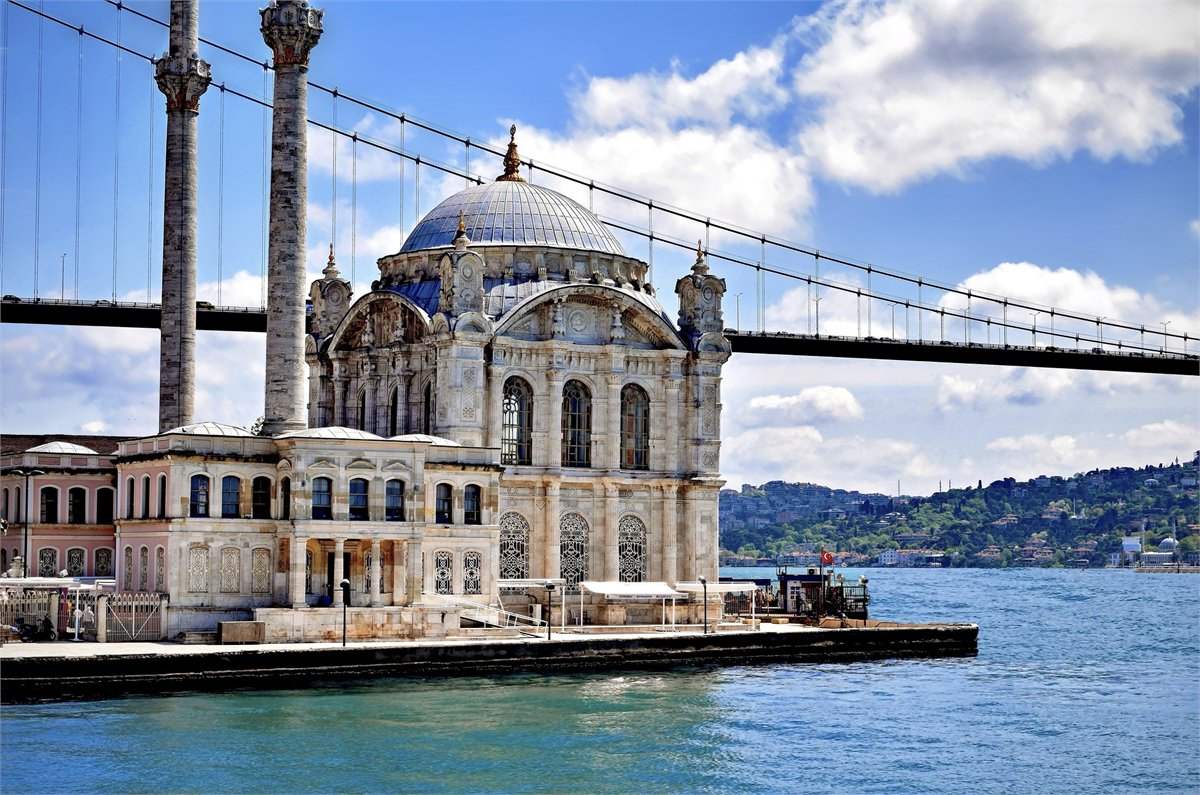
Ortaköy is a small waterfront square where a pale nineteenth-century mosque stands at the edge of the Bosphorus with a suspension bridge soaring directly behind it — and it is best after dark, when both are lit. It takes twenty minutes to see and most people stay three hours, because of the food.
The mosque and the photograph
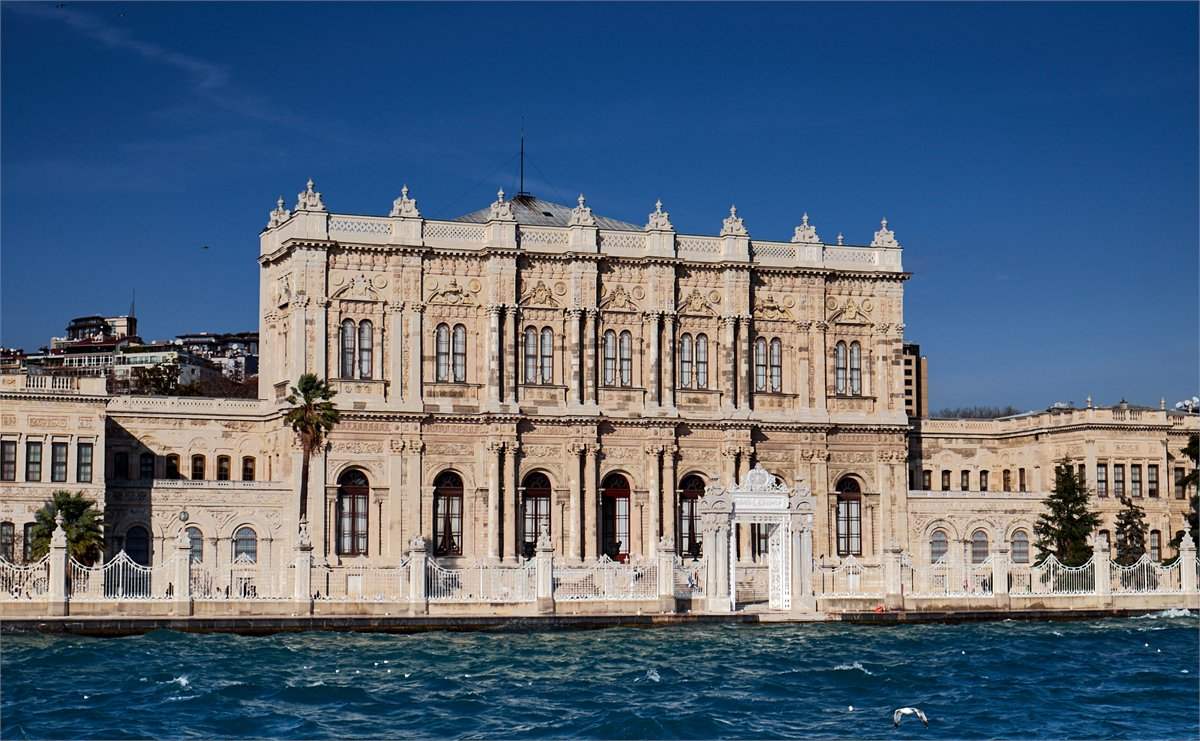
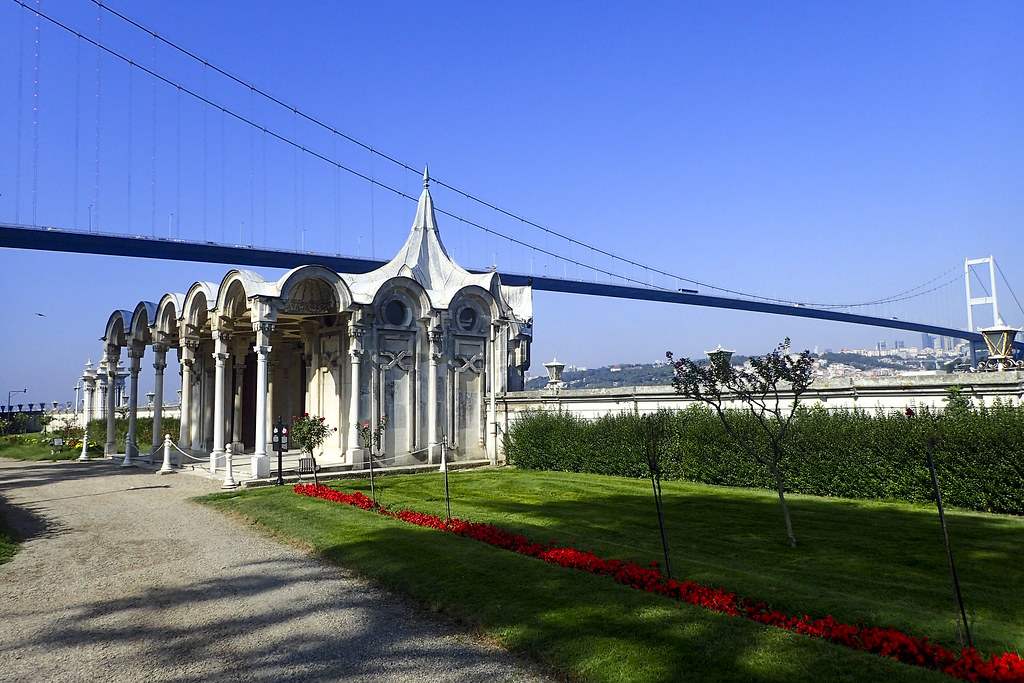
The Büyük Mecidiye Mosque was built between 1854 and 1856 for Sultan Abdülmecid I by Garabet and Nigoğayos Balyan — the same family who built Dolmabahçe, a mile down the shore. It is Neo-Baroque and unusually European for an Ottoman mosque: tall arched windows, carved white stone, and a single dome. It sits on a promontory so that the water comes right up to its walls.
Behind it rises the 15 July Martyrs Bridge, opened in 1973, the first bridge ever built across the Bosphorus. Six centuries of Ottoman architecture and a piece of twentieth-century steel engineering, framed together in one view. It should not work. It does, and it is one of the most photographed compositions in Türkiye.
Where to stand: the small jetty to the left of the mosque as you face the water gives you both in one frame. Go at dusk — the bridge lights come on, the mosque is floodlit, and the sky is still blue enough to separate them.
Ortaköy at night
This is when the square is at its best. The cafés fill, the food stalls light up, families walk the waterfront, and the bridge changes color on the hour. It feels safe, busy and local rather than touristic, and it is one of the few places in Istanbul where late evening is genuinely the right time to arrive rather than a compromise.
Kumpir, waffles and where to eat
Ortaköy is known across Istanbul for two street foods, both faintly ridiculous and both worth it:
- Kumpir — an enormous baked potato, split and mashed with butter and cheese, then filled from a counter of twenty or thirty toppings: olives, corn, pickles, sausage, Russian salad, couscous. You point at what you want. It is a meal.
- Waffles — thick Belgian-style waffles spread with chocolate and loaded with fruit and nuts. The stalls compete on how absurd they can look.
Beyond the stalls there are proper fish restaurants along the water with terraces facing the bridge, which are where to go for dinner rather than a snack. Prices on the waterfront reflect the view; walk one street back for the same food at less.
The weekend market
On Saturdays and Sundays the streets behind the mosque fill with a craft and jewelry market — silver, leather, prints, secondhand books. It is genuinely pleasant browsing and much less pressured than the Grand Bazaar, though it is aimed at visitors and you should still expect to negotiate. Our shopping guide covers what is worth buying and how to judge it.
Getting there
Ortaköy is on the European shore in Beşiktaş, about twenty-five minutes from Sultanahmet by road and ten from Taksim. Buses run along the coast road; there is no metro or tram to the square itself, so it is a bus, a taxi or a walk down from Beşiktaş. Every Bosphorus cruise passes it, and the view of the mosque from the water — with the bridge overhead — is arguably better than from the square.
Things to do around Ortaköy
It pairs naturally with the palaces: Dolmabahçe is ten minutes south, and Çırağan sits between them. North along the shore are Bebek and, further on, Rumeli Hisarı. A good afternoon runs palace, lunch at Ortaköy, fortress, then back down the shore at sunset. That is how we build day two on the two-day itinerary.
How long to allow
Thirty minutes if you only want the photograph. Two to three hours if you eat, browse the market and sit by the water — which is what the place is for. On a guided day we usually put Ortaköy at lunchtime or at the end, never in the middle, because nobody wants to walk uphill into another monument afterwards. Private tours from €150 per group per day, guide and car included, at your own pace — ask us for a quote.
Ortaköy — frequently asked questions
What is Ortaköy famous for?
What is kumpir?
Is Ortaköy good at night?
Can you go inside Ortaköy Mosque?
How do you get to Ortaköy?
Where are the best restaurants in Ortaköy?
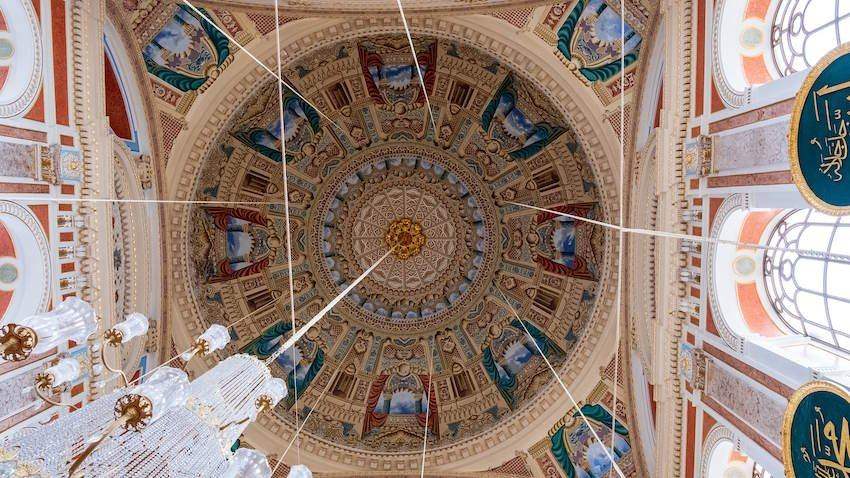
Ortaköy in pictures
See it with a private local guide
Every tour we run is private and tailor-made — you choose the places, your licensed local guide plans the day with you, and a private car is always included.
Plan my private Istanbul tourTÜRSAB-licensed agency No. 15746 · skip-the-line entrance · no prepayment to enquire · a real person replies within 24 hours