- What it was
- Balat: the historic Jewish quarter. Fener: the Greek Orthodox quarter
- Don't miss
- Kiremit Caddesi, the Patriarchate, St Stephen's iron church
- Nearby
- The Chora Church (Kariye), with the finest Byzantine mosaics in the world
- Cost
- Free to walk; small fees for some churches and museums
- Time needed
- Half a day, easily
- Wear
- Real shoes — the lanes are steep and the cobbles uneven
Private tours from €150 per group, per day
Licensed local guide, private car and driver, and skip-the-line priority entrance. The day runs at your pace, and the plan stays yours to change.
Get my free quoteTÜRSAB-licensed agency No. 15746 · nothing to pay to ask · a real person replies within 24 hours
Layers of a neighborhood
The history here is the good kind. Balat was for centuries the Jewish quarter of Istanbul, home to communities including Sephardic Jews who arrived after the expulsion from Spain in 1492 and were settled here by the Ottoman state. Fener next door was the Greek Orthodox quarter — the word Phanariot, describing the influential Greek families of the late Ottoman Empire, comes from this district's name. Armenians lived alongside both.
That layering is still legible on the ground, and it is what makes a walk here more interesting than simply photographing colored walls.
What to see
The colored houses
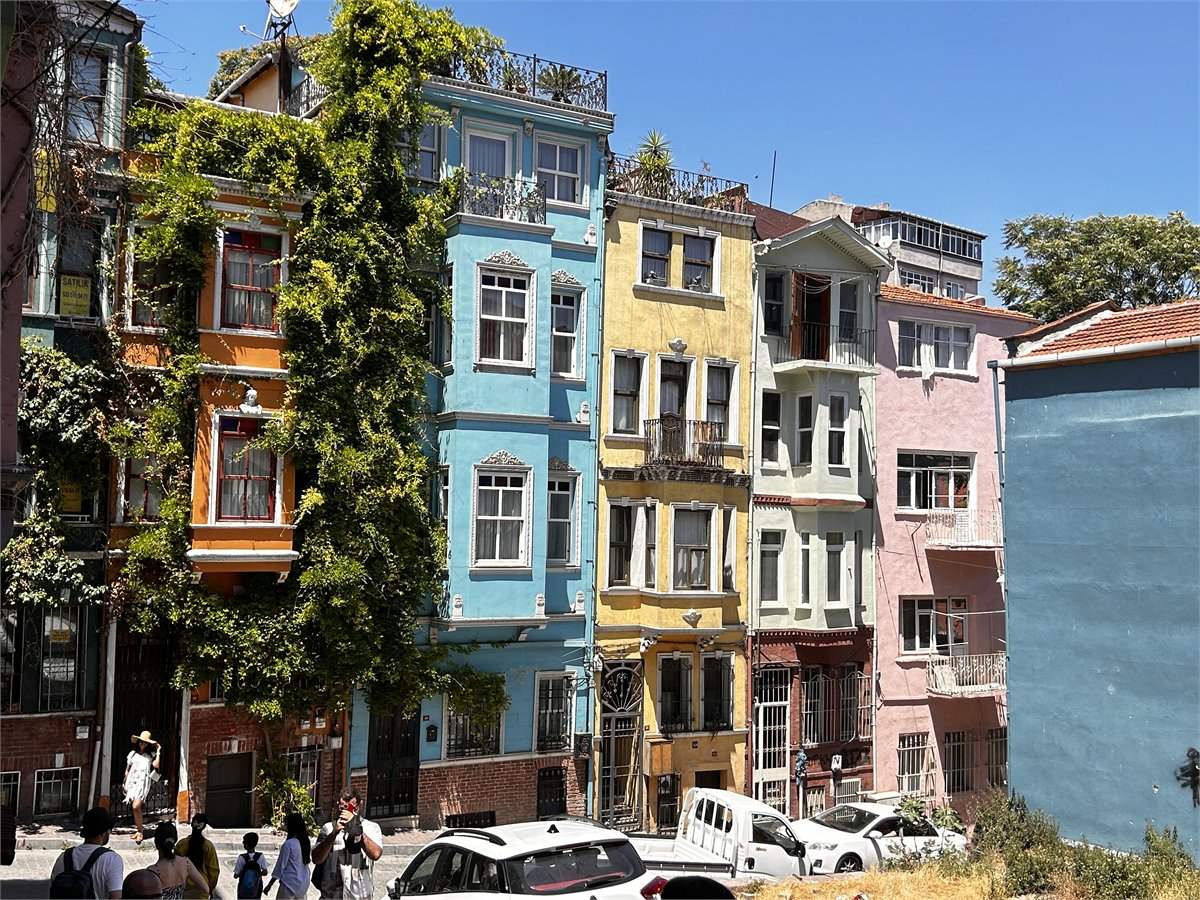
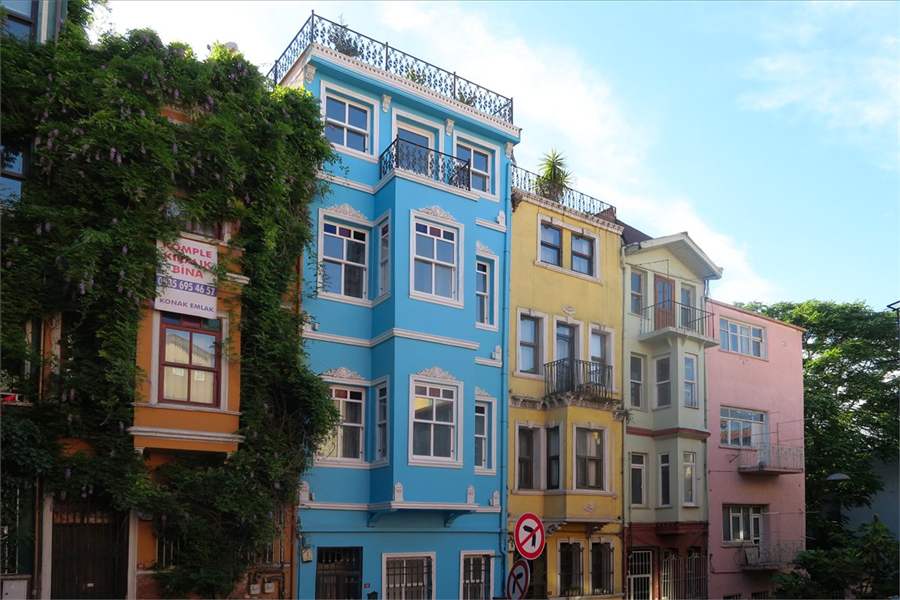
The famous row is on and around Kiremit Caddesi, with more on the steep lanes running up from the shore. It is worth remembering that people actually live behind those doors; the neighborhood has become extremely popular with photographers in recent years and residents are patient, but a little discretion goes a long way.
The Ecumenical Patriarchate
In Fener stands the Church of St George, seat of the Ecumenical Patriarch of Constantinople — still the spiritual center of Orthodox Christianity worldwide, with several hundred million faithful. It is modest from the street, behind a gate, and the interior holds an extraordinary gilded iconostasis and relics of great significance. Quiet and often nearly empty.
The iron church of St Stephen
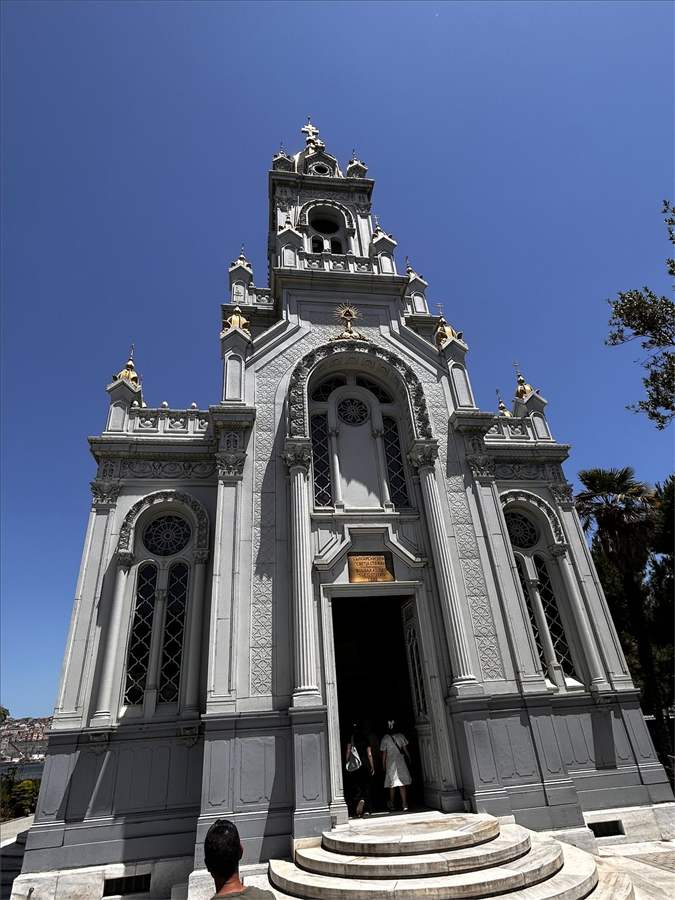
Down on the waterfront, the Bulgarian Church of St Stephen looks from a distance like elaborately carved stone. It is in fact made of cast iron — the sections were manufactured in Vienna, shipped down the Danube and across the Black Sea, and bolted together here in 1898. It is one of very few prefabricated iron churches in the world and, after a long restoration, it gleams.
The Greek College
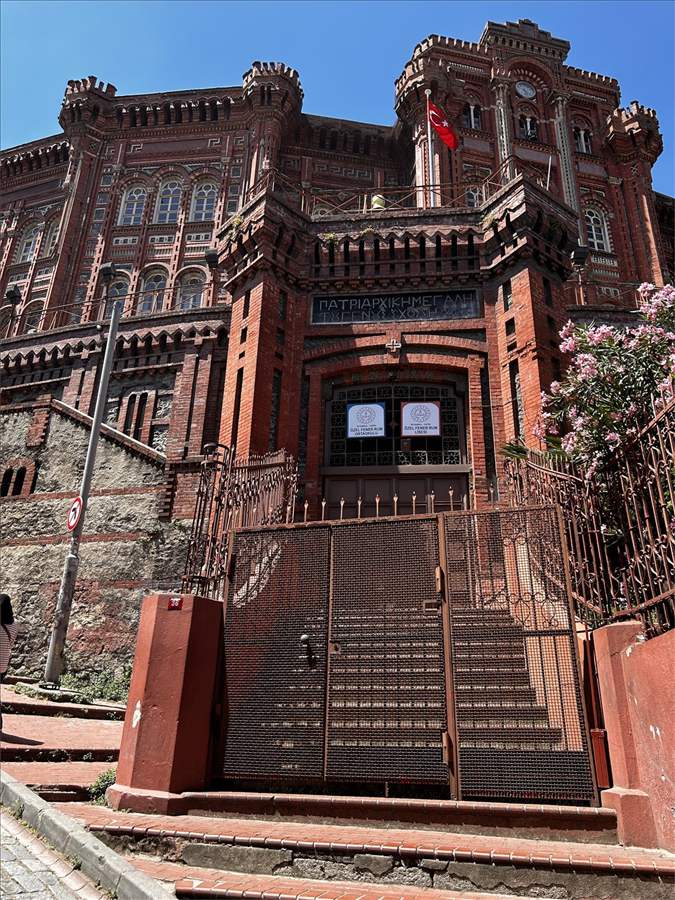
The enormous red-brick building on the hill above Fener, visible from everywhere, is the Phanar Greek Orthodox College — founded in the fifteenth century, though this dramatic castle-like building dates from 1881. Everybody in Istanbul calls it "the castle".
The Chora Church nearby
A short ride uphill from Balat sits the Chora — Kariye — with, in our opinion, the finest Byzantine mosaics and frescoes surviving anywhere in the world. Its fourteenth-century cycle of the life of the Virgin and of Christ is in a completely different class from anything else in Istanbul, including Hagia Sophia. Most visitors to the city never see it. Its status and opening arrangements have changed in recent years, so it is worth checking before you go — but if it is open, go.
Cafés, antiques and the modern Balat
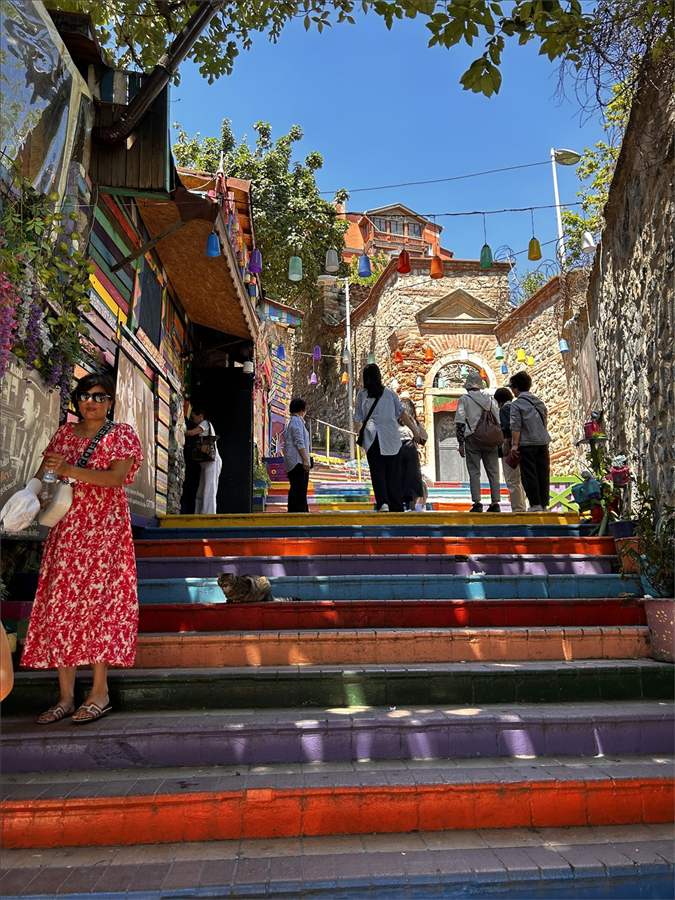
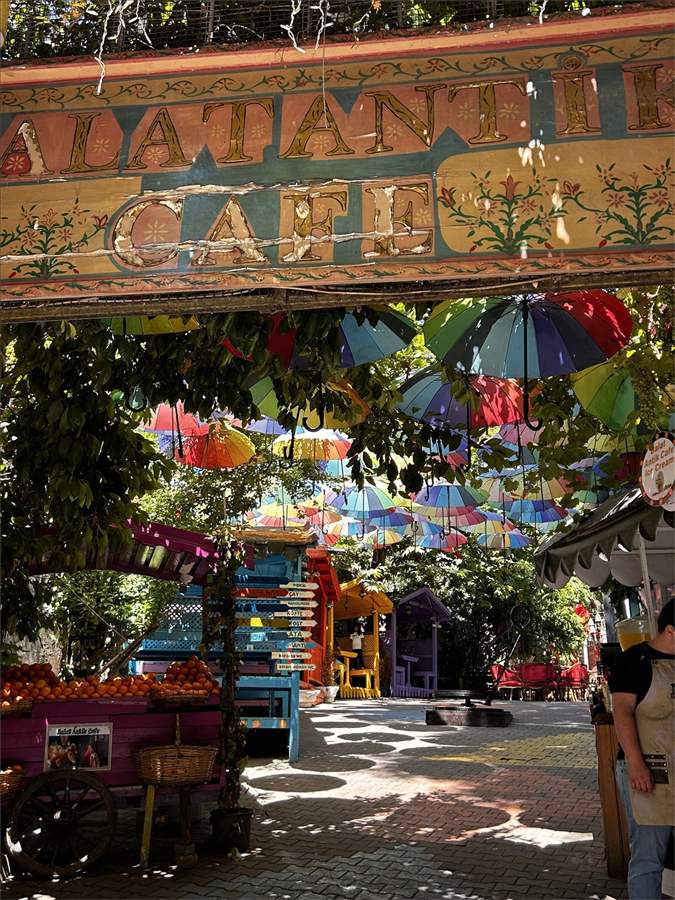
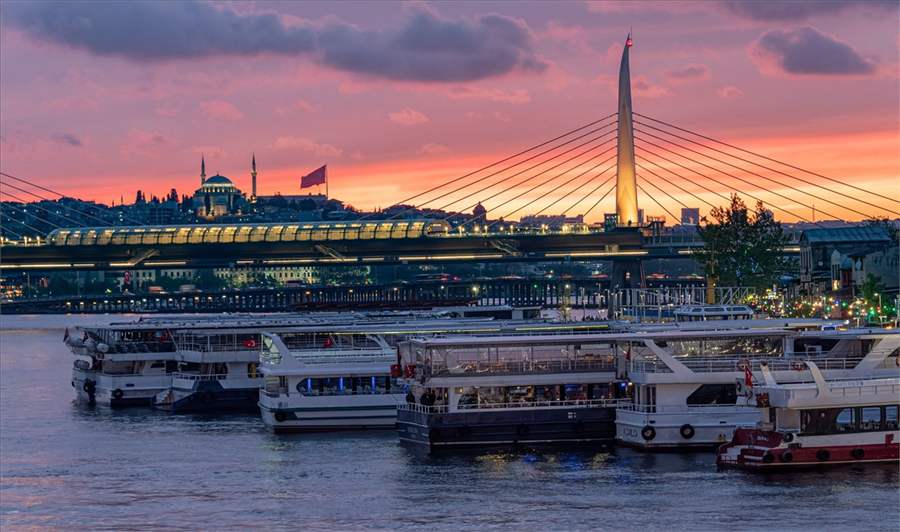
The ground floors along Vodina Caddesi have filled with antique shops, coffee places, vintage clothing and small restaurants. It is one of the pleasantest afternoons you can spend in Istanbul — no queues, no tickets, just wandering, with the Golden Horn appearing at the end of every downhill lane.
There is a live debate in the city about gentrification here, and it is a fair one. Our own view is that the neighborhood is still genuinely itself, which is exactly why it is worth visiting thoughtfully.
Walking Balat with a guide
Balat is a place where a guide adds a different kind of value: not queue-skipping, but context and access. Knowing which gate to ring at the Patriarchate, which lanes hold the best façades, where the old synagogues stand, and what the district's mixed history actually meant in practice turns a pretty walk into something considerably richer.
It combines well with the Spice Bazaar and the Golden Horn, and on a private tailor-made Istanbul tour it makes an excellent second or third day, once the great monuments of Sultanahmet are behind you and you want to see how Istanbul actually lives.
Balat & Fener — frequently asked questions
Is Balat worth visiting in Istanbul?
Yes, particularly on a second or third day. It offers colorful streets, genuine neighborhood life, the Greek Orthodox Patriarchate, the cast-iron church of St Stephen and easy access to the Chora mosaics — with no queues and no tickets for the walk itself.
Where are the colorful houses in Balat?
Mainly on and around Kiremit Caddesi and the steep lanes running up from the Golden Horn. People live in them, so photograph considerately.
What is the Chora Church and is it near Balat?
The Chora (Kariye) is a short ride uphill from Balat and holds the finest surviving Byzantine mosaics and frescoes in the world, from the fourteenth century. Its status and opening arrangements have changed in recent years, so check before visiting — but it is exceptional.
How long do you need in Balat and Fener?
Half a day is comfortable — longer if you stop for coffee, browse the antique shops and add the Chora Church. Wear proper shoes; the lanes are steep and cobbled.
Balat & Fener in pictures
See it with a private local guide
Every tour we run is private and tailor-made — you choose the places, your licensed local guide plans the day with you, and a private car is always included.
Plan my private Istanbul tourTÜRSAB-licensed agency No. 15746 · skip-the-line entrance · no prepayment to enquire · a real person replies within 24 hours