- What it is
- Ottoman steam bath — heated marble, scrub, foam wash
- How long
- About 90 minutes, including cooling down
- Wear
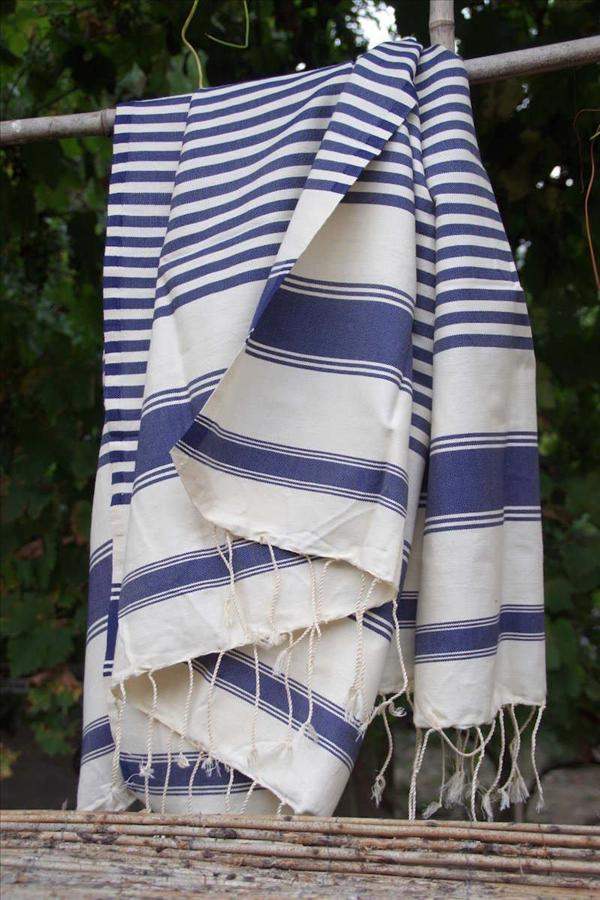
- A peştemal wrap over your underwear — nobody is naked
- Men & women
- Separate sections or separate hours — check first
- Cost
- Wide range: local hamams to historic baths — ask us
- Best time
- End of a long walking day, not before one
Private tours from €150 per group, per day
Licensed local guide, private car and driver, and skip-the-line priority entrance. The day runs at your pace, and the plan stays yours to change.
Get my free quoteTÜRSAB-licensed agency No. 15746 · nothing to pay to ask · a real person replies within 24 hours
A Turkish bath is a hot marble room, a scrub that removes more skin than you expect, a foam wash and then tea — about ninety minutes in total, and among the best things you can do with a tired afternoon in Istanbul. Most first-timers worry about the same three things: what happens, what to wear, and how much it costs. Here are honest answers to all three.
What is a Turkish bath?
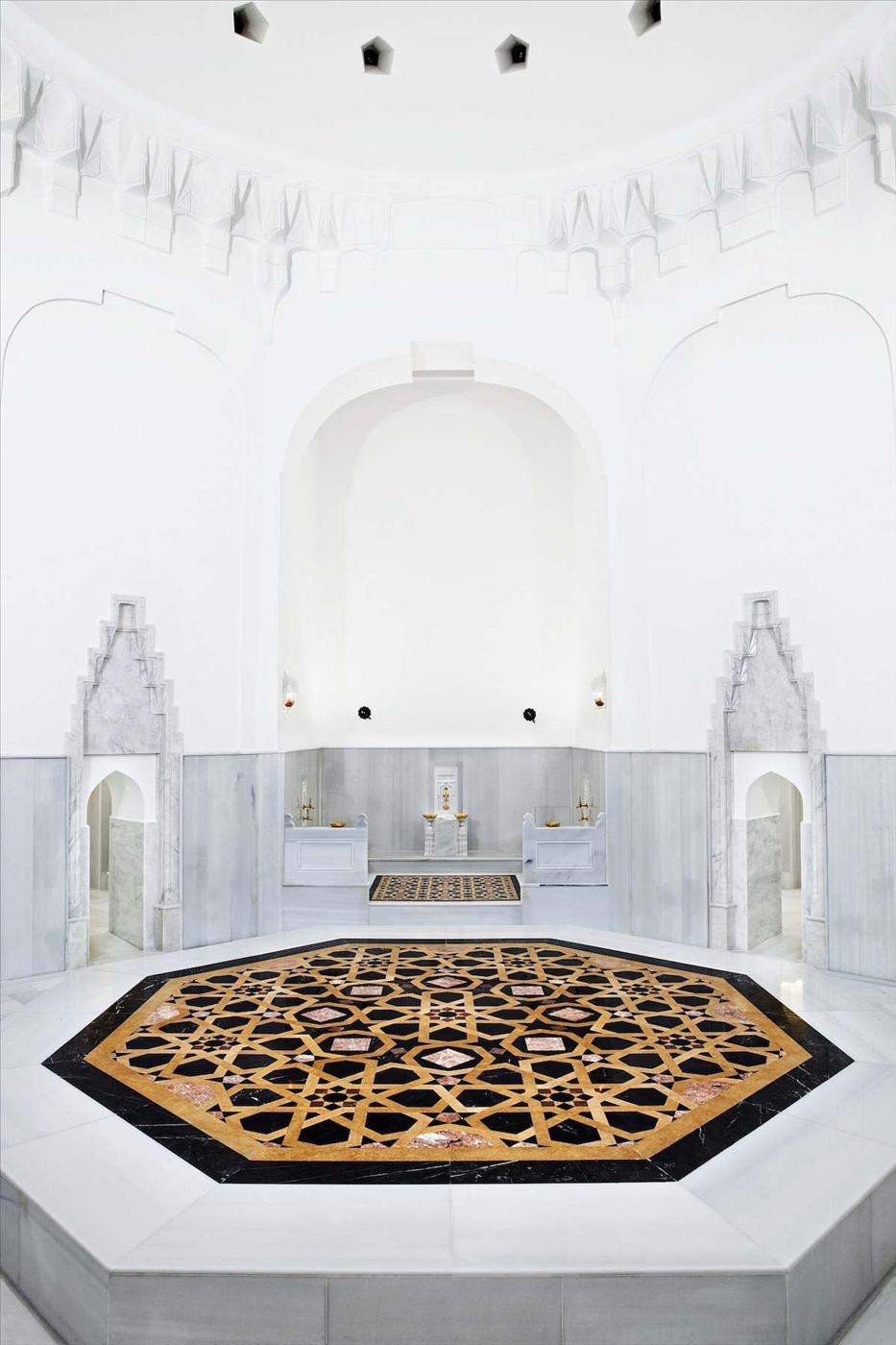
A hamam is the Ottoman descendant of the Roman bath, and for centuries it was where the city washed, gossiped and marked weddings and births. The building is arranged around a göbek taşı — a large heated marble slab under a domed ceiling pierced with small glass eyes that throw shafts of light through the steam. You lie on it, sweat, and are then washed by an attendant.
What actually happens, step by step
- You change into a peştemal, a thin cotton wrap, in a private cubicle.
- You lie on the hot marble for fifteen or twenty minutes and do nothing. This is the part people find longest and later miss most.
- The scrub (kese). An attendant works you over with a coarse mitt. It is brisk, not painful, and the amount of dead skin that comes off is genuinely startling.
- The foam wash. Olive-oil soap worked into clouds of foam through a cloth, then rinsed with bowls of warm water poured over you.
- Rinse, cool down, tea. Sit in the cool room. Do not rush this; it is half the effect.
How much does a Turkish bath cost in Istanbul?
It varies enormously — a neighborhood hamam used by locals and a restored historic bath in Sultanahmet are different propositions at very different prices, and the historic ones charge a premium for the building as much as the service. Extras such as an oil massage are priced separately and are where the bill grows. Rather than print figures that go stale within a season, ask us and we will tell you the current range for the bath you are considering, at both ends of the market.
Men, women, and what to wear
Most hamams either have separate sections for men and women, or separate hours — check before you go, because turning up at the wrong time is a wasted trip. Attendants are always the same sex as the bathers. You keep underwear on under the peştemal; nobody is naked, and staff are entirely matter-of-fact. Couples cannot usually bathe together except in a handful of places that offer private rooms.
Which hamam should you choose?
Broadly there are three kinds:
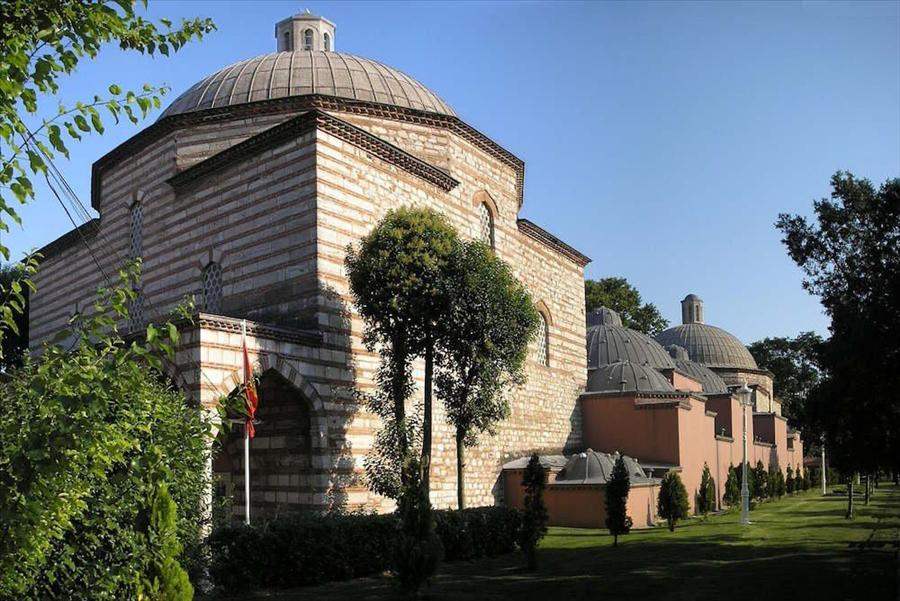
- Historic Sultanahmet baths — sixteenth-century buildings, beautiful, expensive, and busy with visitors. You are paying for architecture.
- Mid-range neighborhood hamams — plainer, cheaper, largely local, and often the better wash.
- Hotel spa hamams — comfortable and predictable, but the least authentic of the three.
There is no single right answer. If you want the experience, go local. If you want the room, go historic.
Practical advice
Do not go on a full stomach or straight after a heavy day of walking — you will feel faint. Drink water afterwards. Leave your valuables in the locker, not the changing cubicle. Allow ninety minutes and do not schedule anything demanding afterwards; the whole point is that you come out useless. A hamam works best as the end of a long day, which is why we usually suggest it after the Grand Bazaar or a day in Balat.
The history behind the building
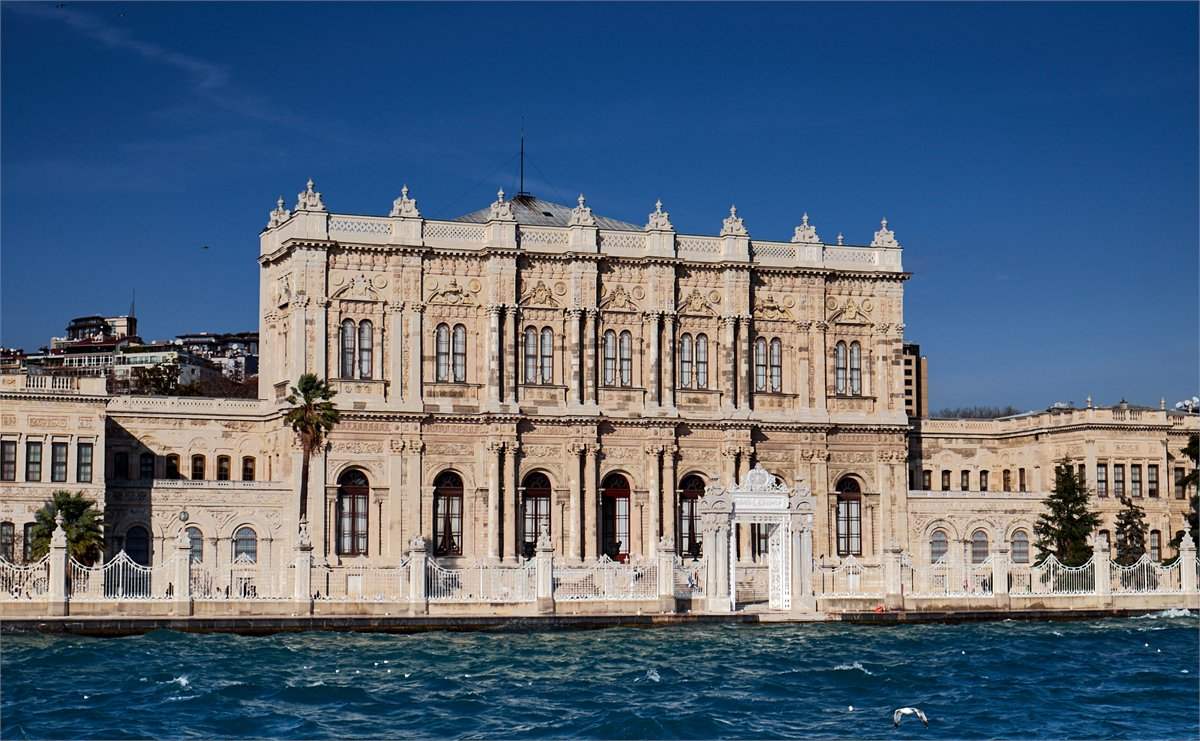
The hamam arrived with Islam but the plumbing is Roman — the Ottomans inherited the bath culture of Byzantium and reshaped it around ritual washing. The great sixteenth-century baths were designed by Mimar Sinan, the same architect as the Süleymaniye Mosque, and were built as charitable foundations attached to mosque complexes: the bath's income supported the soup kitchen and the school. That is why the finest hamams sit beside the finest mosques, and why the architecture is so much better than the function strictly required.
What it costs you in time, not money
Budget ninety minutes for the bath itself and expect to be useless afterwards for an hour. That is not a complaint — it is the point — but it does mean a hamam ruins an itinerary if you put it in the middle of a sightseeing day. Put it at the end, after the walking, ideally before dinner rather than before another monument.
Common mistakes
- Going hungry or immediately after a big meal. Both make the heat much harder.
- Booking the most expensive package by default. The basic scrub and foam wash is the authentic experience; the oil massage is an add-on, not the tradition.
- Rushing the cool-down. Sitting with tea afterwards is half of what you paid for.
- Turning up at the wrong session. Men's and women's hours differ and change by bath — check the same week you go.
Fitting it into your trip
A hamam does not really fit a two-day visit — you would be giving up the Bosphorus for it. On three days or more it slots naturally into a late afternoon; see our three-day itinerary. When we recommend a bath, it is because it is genuinely good and well run. Tell us what you are after and we will point you at the right one — tours from €150 per group per day.
Turkish bath (hamam) — frequently asked questions
How much is a Turkish bath in Istanbul?
What is a Turkish bath?
What should I expect at a Turkish bath for the first time?
Are Turkish baths separate for men and women?
What do you wear in a hamam?
Which is the best hamam in Istanbul?
Turkish bath (hamam) in pictures
See it with a private local guide
Every tour we run is private and tailor-made — you choose the places, your licensed local guide plans the day with you, and a private car is always included.
Plan my private Istanbul tourTÜRSAB-licensed agency No. 15746 · skip-the-line entrance · no prepayment to enquire · a real person replies within 24 hours