Private tours from €150 per group, per day
Licensed local guide, private car and driver, and skip-the-line priority entrance. The day runs at your pace, and the plan stays yours to change.
Get my free quoteTÜRSAB-licensed agency No. 15746 · nothing to pay to ask · a real person replies within 24 hours
Cash or card in Istanbul? Guests ask us this more than almost anything else before they land, usually with a folder of euros they are not sure they need. The honest answer is that a card will do most of the work, and a few small lira notes will save you from the rest. Here is how we split it.
The short answer
Pay by card for anything that happens at a counter, and carry a small amount of Turkish lira for everything that happens by hand: tips, a simit from a cart, a glass of tea, a public toilet, a small purchase in a market lane. When a card machine or ATM offers to charge you in your home currency, say no and pay in lira.
Where your card works
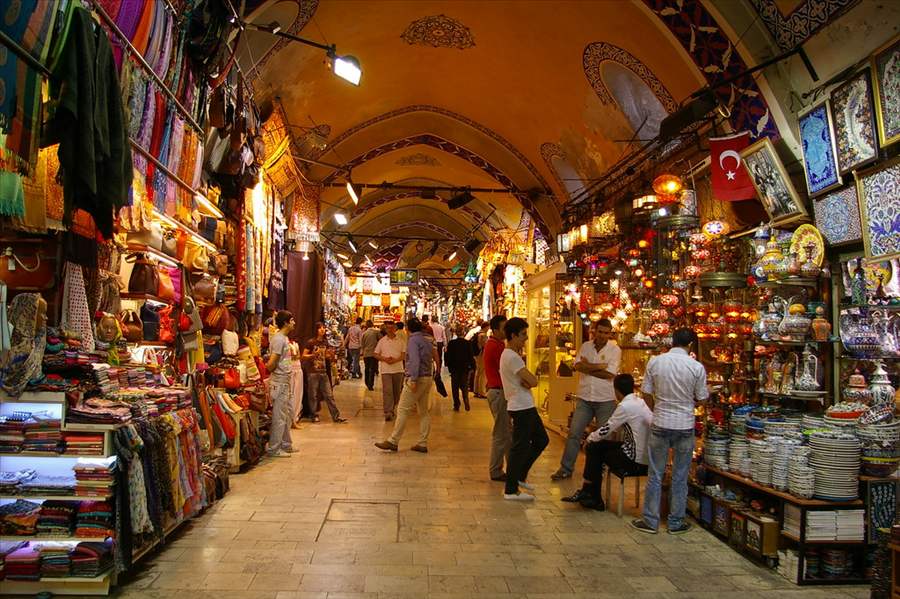
Visa and Mastercard, debit or credit, are accepted almost everywhere a visitor spends real money: hotels, restaurants, cafés, department stores, most shops in the Grand Bazaar and the Spice Bazaar, pharmacies and supermarkets. Contactless is normal, and phone wallets usually work wherever contactless does. American Express is accepted less widely, so bring a second card rather than relying on it.
Public transport is easier than it used to be too. The metro, tram, Marmaray and city ferry gates take an Istanbulkart and, at most gates, a contactless bank card as well; our guide to public transport in Istanbul explains which is cheaper when you are more than one person. The big museum ticket offices take cards, which matters because admission is now the largest fixed cost of a sightseeing day.
Where you will want cash
This is the list that catches people out, because none of it is expensive:
- Tips. Tipping is customary in Türkiye but it is your choice, and it is kindest in lira and in cash, so it reaches the person you meant it for. Our guide to tipping in Turkey covers who and how much.
- Street food and tea. Simit carts, chestnut sellers, fruit stands and small tea gardens. Some now have card machines; many still prefer notes.
- Public toilets. Most charge a small fee at the door, and coins or a small note are simplest.
- Small bazaar purchases. A shop happy to take a card for a carpet may still prefer cash for a single fridge magnet, and some shopkeepers will talk about a better price for cash on a larger item. That is an ordinary conversation here, not a trick; our shopping in Istanbul guide explains how buying works.
- Some taxis. Many cabs take cards, not all. Ask before the meter starts, or use a ride-hailing app.
The one question to always answer the same way
Sooner or later a card machine or an ATM screen will ask whether you want to be charged in euros, pounds or dollars instead of lira. It sounds helpful, and it is presented as the safe choice. It is not. The conversion is done at a rate the machine chooses, and that rate is rarely a kind one. Always choose Turkish lira and let your own bank convert it. If a waiter hands you a terminal already set to your home currency, it is fine to ask them to switch it; they are used to the request.
Which ATMs to use in Istanbul
ATMs are everywhere: at the airports, along İstiklal Avenue, around Sultanahmet Square and inside every shopping center. A few habits make them easy:
- Prefer a machine attached to a bank branch, preferably inside a lobby or in a spot you can see clearly, over a standalone machine on a busy pavement.
- Read the fee screen. Most Turkish bank ATMs charge foreign cards their own fee, and they show it before you confirm. Your home bank may add a charge of its own on top. Because both are often per withdrawal, a few larger withdrawals usually cost less than many small ones.
- Decline the conversion, exactly as at a card machine.
- Expect a withdrawal limit. Machines cap each withdrawal, and the cap varies from bank to bank. If the amount you want is refused, try a smaller one before assuming your card is blocked.
We are deliberately not naming a "fee-free" bank. Fees for foreign cards change and differ by card, and anything we printed would be wrong for someone. The fee screen in front of you is the only figure that counts.
Exchanging money
If you arrive with euros, pounds or dollars, the exchange offices (look for the word döviz) in the old city and around the bazaars trade them every day. Rates at airports are usually weaker than in town, so change only what you need to get to your hotel there, or simply use an ATM. Compare the buy and sell boards at two offices before a larger exchange, and count your notes at the counter.
Two things are worth knowing before you pack cash. The UK government's travel advice for Turkey warns that banks and exchange offices may not accept US $50 or $100 bills because of counterfeits, and that you should be wary of strangers who approach you offering to change money. And the largest lira note is smaller than many visitors expect: the Central Bank of the Republic of Türkiye lists notes from 5 to 200 lira, so a modest amount of cash quickly becomes a thick fold of notes.
How much cash to carry
We print no lira figures on this site, because prices rise quickly and any number would date within months. The principle stays the same: carry enough for a day of small things, not a day of everything. A pocketful of small notes for tips, tea, snacks and toilets, plus one or two larger notes as a reserve, covers most days. Keep it in a front pocket or a zipped bag, split from your cards, as you would in any big city; our answer to whether Istanbul is safe for tourists puts the pickpocketing risk in proportion.
A quick checklist before you fly
- Tell your bank you are traveling to Türkiye, and check its foreign transaction and ATM fees.
- Bring two cards from different networks or banks, and keep them apart.
- Set up your phone wallet if you use one; it is often the quickest way to tap into the metro.
- Leave large US dollar notes at home, or bring small ones.
- Plan to draw lira from a bank ATM on arrival, or change a little at the airport for the ride in; our Istanbul airport transfer guide compares the ways into town.
For everything else a first visit throws at you, from visas to the time difference, see our Istanbul travel tips.
On our tours, the day is already paid for
When you travel with us, the price is agreed per group in advance, so you will not be counting notes at every stop. Your guide can point you to a bank ATM or a good exchange office on the way, and will tell you honestly when cash makes sense in the Grand Bazaar and when a card is just as good. Entrance tickets are added at the gate price with no markup, and tips are customary but always your choice, never part of the price. Our private tours start from €150 per group per day; have a look at the tours or tell us your dates.
Cash or card in Istanbul — frequently asked questions
Is it better to use cash or card in Istanbul?
Use both. A card covers hotels, restaurants, most shops, museum ticket offices and public transport gates. Keep a small amount of Turkish lira in cash for tips, street food, tea gardens, public toilets, small bazaar purchases and the odd taxi that has no working card machine.
Can I use my debit card in Istanbul?
Yes. Visa and Mastercard debit cards work in card machines and in bank ATMs across the city, and contactless payment is common. Tell your bank before you travel, check what it charges for foreign transactions, and always choose to pay in Turkish lira when a machine offers your home currency.
Which ATM should I use in Istanbul?
Use a cash machine attached to a bank branch, ideally one you can see into, rather than a standalone machine on a busy street. Most Turkish bank ATMs charge foreign cards their own fee and show it on screen before you confirm, and your home bank may add another, so draw a few larger amounts rather than many small ones.
Can I pay with US dollars or euros in Istanbul?
Some shops in tourist areas will quote in euros or dollars, but the lira is the currency of the country and you will almost always get a better deal paying in it. The UK government also notes that banks and exchange offices may refuse US $50 and $100 bills because of counterfeits, so bring lira or a card rather than large dollar notes.
How much cash should I carry in Istanbul?
Enough for a day of small things, not a day of everything. We print no lira figures because prices move quickly with inflation, but a handful of small notes for tips, tea, snacks and toilets, plus one or two larger notes as a reserve, covers most days. Everything bigger goes on a card.
Do taxis in Istanbul take cards?
Many do, but not all, and you do not want to find out at the end of the ride. Ask before you set off, or book through a ride-hailing app where the fare is settled in the app. Carry enough lira to cover the journey either way.
See it with a private local guide
Every tour we run is private and tailor-made — you choose the places, your licensed local guide plans the day with you, and a private car is always included.
Plan my private Istanbul tourTÜRSAB-licensed agency No. 15746 · skip-the-line entrance · no prepayment to enquire · a real person replies within 24 hours